
7 Critical Criteria to Evaluate Before Joining a HIIT Gym

Introduction: Why Choosing the Right HIIT Gym Matters
The fitness industry in the US is worth over $47 billion in 2026. With numbers that big, it is no surprise that more gyms and studios are popping up everywhere. But here is the thing: just because a place calls itself a high intensity interval training gym does not mean it is the right fit for you.
Actually, HIIT is the most preferred class style out there. Recent data shows that 42% of gym participants choose HIIT classes. That is a lot of people looking for the perfect spot. It is easy to feel overwhelmed by all the options.
Picking the wrong gym can waste your time. Even worse, it can lead to bad habits or even injuries. You need a space that matches your goals, whether that is hiit training for fat loss or getting stronger overall.
That is why we built this guide. We want to give you a simple, evidence-based way to cut through the noise.
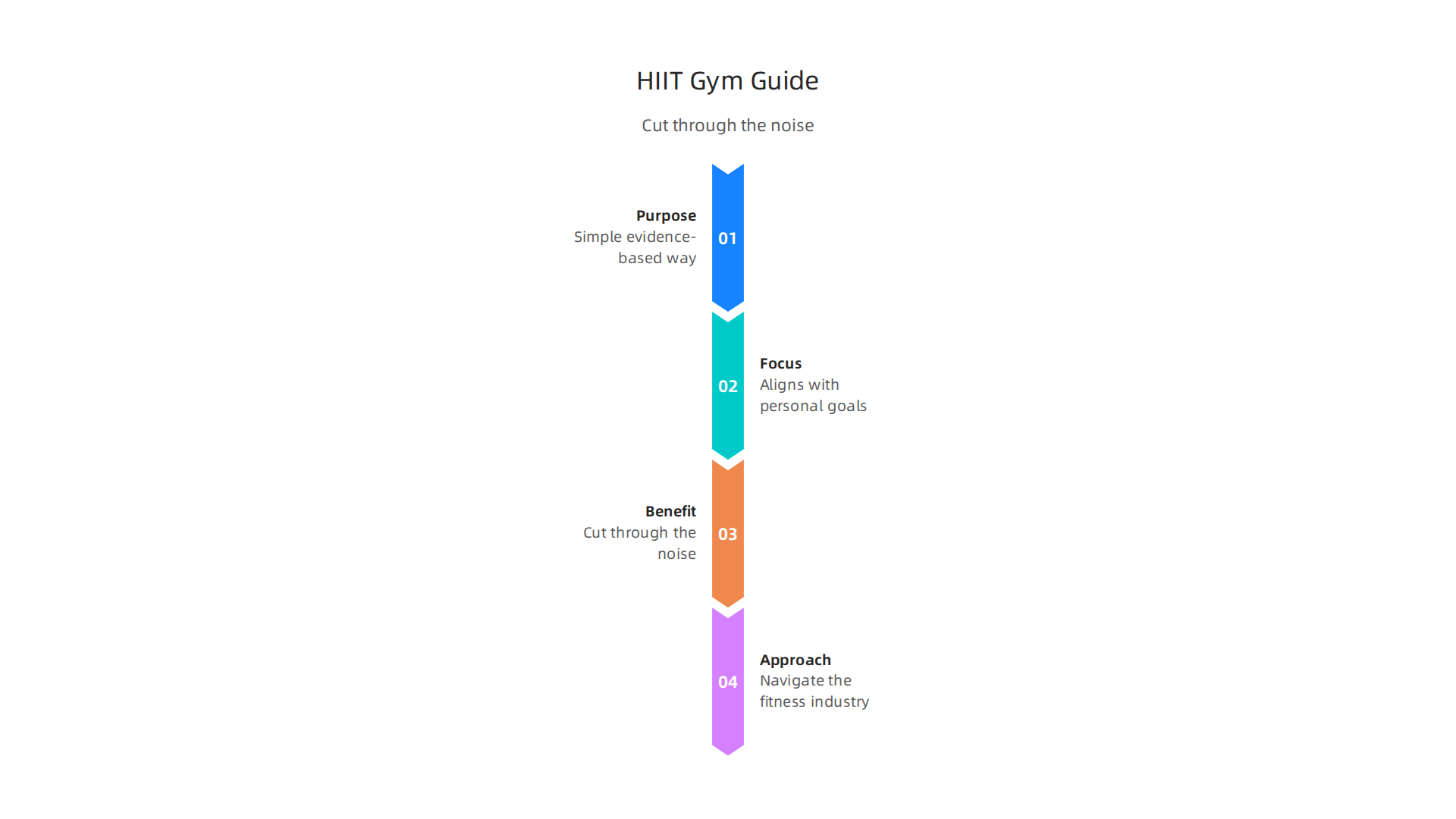
We looked at the science and talked to experts to figure out what really matters when you pick a gym.
We also used smart resources, like RepCore, to help verify the best training methods and gear. So you get a plan that works.
Let us dive into the key questions you need to ask. We will cover everything from class structure and coach credentials to the equipment on the floor. By the end, you will know exactly how to find the perfect hiit gym workout home for you.
What Makes a High Intensity Interval Training Gym Different?
You walk into a HIIT gym for the first time. The music is loud. People are sweating. But look closer and you will see big differences from one gym to the next. Not every place that calls itself a high intensity interval training gym actually delivers the same experience.
The truth is, the US fitness industry is worth over $47 billion in 2026, and there are many types of HIIT gyms out there. According to industry data, HIIT classes are the preferred class style for 42% of gym participants. That demand has created a lot of options.
Here are the main types you will find:
-
Boutique HIIT studios. These are small, focused spaces. They usually offer a single type of class, like treadmill-based HIIT or bodyweight circuits. The equipment is limited but specific. The coach-to-client ratio is often low, which means more personal attention.
-
Big-box gym HIIT zones. Large commercial gyms now have dedicated HIIT areas. You get more freedom to choose your own schedule, but the class structure may be less consistent. The coach might be managing a large group.
-
CrossFit boxes. These focus on functional movements and high intensity. The community culture is strong. The equipment includes barbells, kettlebells, and climbing ropes. The intensity is high, but the technique demands are also high.
-
Functional fitness centers. Think of these as hybrid spaces. They combine HIIT workouts with strength training. The equipment varies a lot. Some have sleds and battle ropes, others have dumbbells and resistance bands.
The key differentiators come down to four things: class structure, equipment variety, coach-to-client ratio, and community culture. Your goal matters. If you are focused on hiit training for fat loss, a boutique studio with structured programming might work best. If you want variety and flexibility, a big-box zone could be a better fit.
Understanding these differences helps you match the gym type to your personal preferences. But there is one more piece that often gets overlooked: the science behind the training. That is where a resource like RepCore comes in. It offers evidence-based insights to help you make smart choices about your training methods and gear. That way, you can pick a gym that actually supports your progress.
The Science Behind Effective HIIT Programming
You might think HIIT is just about going all out until you collapse. But here is the thing. A smart high intensity interval training gym designs every workout with a specific science in mind. Without that science, you are just doing random hard work. And random hard work does not always lead to the best results.
Effective HIIT programming relies on the precise balance of four things: work interval intensity, work duration, rest periods, and total session volume.
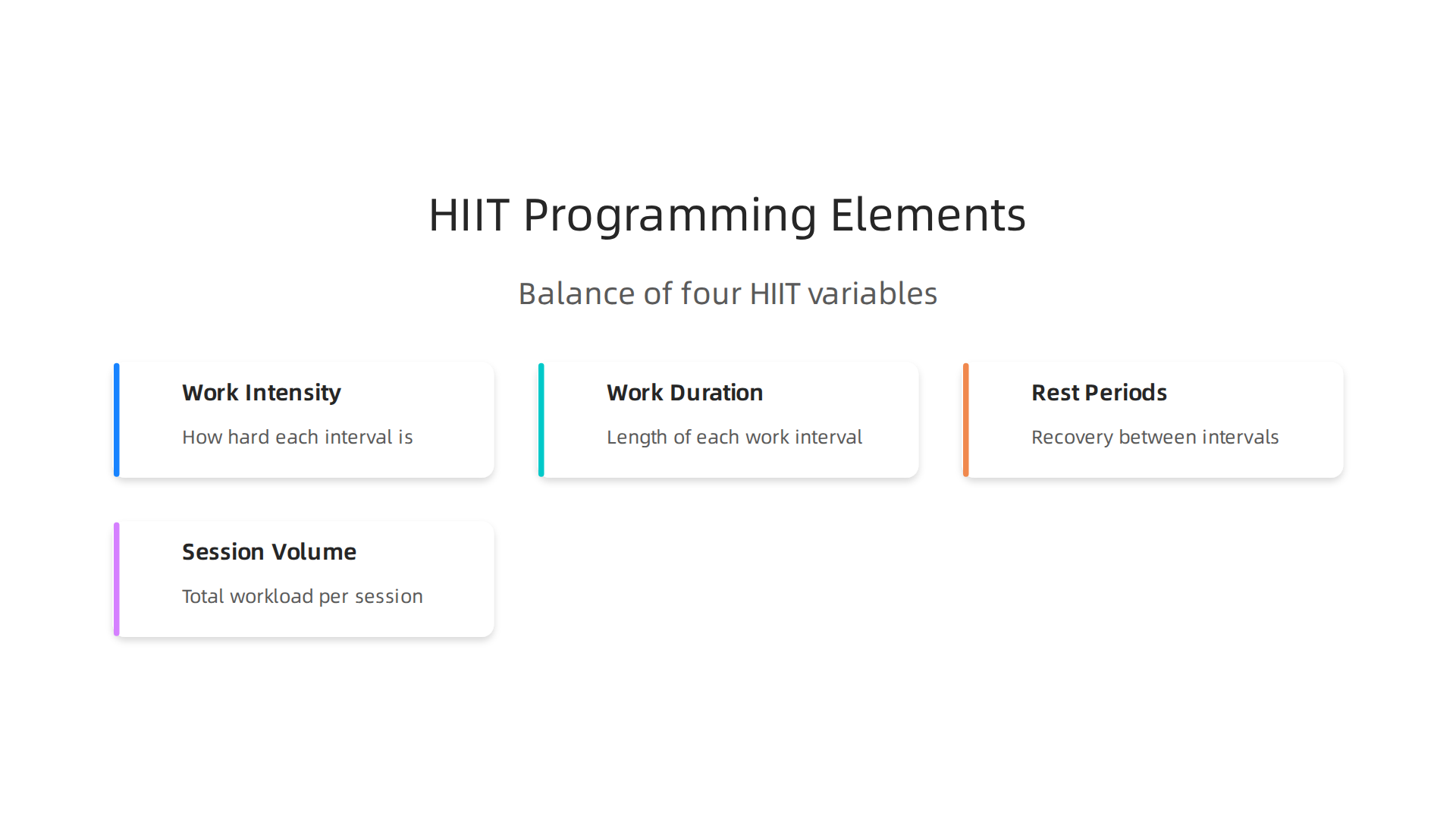
Get these right, and you will see incredible changes in your body through your hiit workouts. Get them wrong, and you risk burnout or injury. In 2026, updated guidelines from the American College of Sports Medicine (ACSM) highlight just how important structured programming is for getting real results across different fitness levels.
[citation: https://acsm.org/resistance-training-guidelines-update-2026/]
One of the biggest factors in a good hiit gym workout is your work-to-rest ratio. Research shows that ratios between 1:1 and 1:3 work best for most people. [citation: https://www.nsca.com/education/articles/ptq/time-efficient-training/] This means if you push hard for 30 seconds, you rest for 30 to 90 seconds. This simple balance helps your body improve both aerobic fitness and anaerobic power in the same session.
Frequency matters just as much. Recent meta-analyses suggest that doing 3 to 4 high-quality HIIT sessions per week gives the best benefit-to-risk ratio. [citation: https://pmc.ncbi.nlm.nih.gov/articles/PMC12497894/] This is the sweet spot for anyone focused on hiit training for fat loss or building cardiovascular endurance.
So when you pick a gym, ask about their method. Do they just make up workouts on the spot? Or do they follow a science-backed plan? Understanding what is hiit workout at a deeper level helps you pick a place that actually moves you forward. If you want to learn more about the proven methods behind great training, RepCore is a great resource. They break down complex research into simple, actionable advice for everyday athletes. It is a solid way to make sure your effort matches the science.
Key Variables: Work-to-Rest Ratios
Getting your work-to-rest ratio right is what separates a good hiit gym workout from a great one. Change this ratio and you change the result.
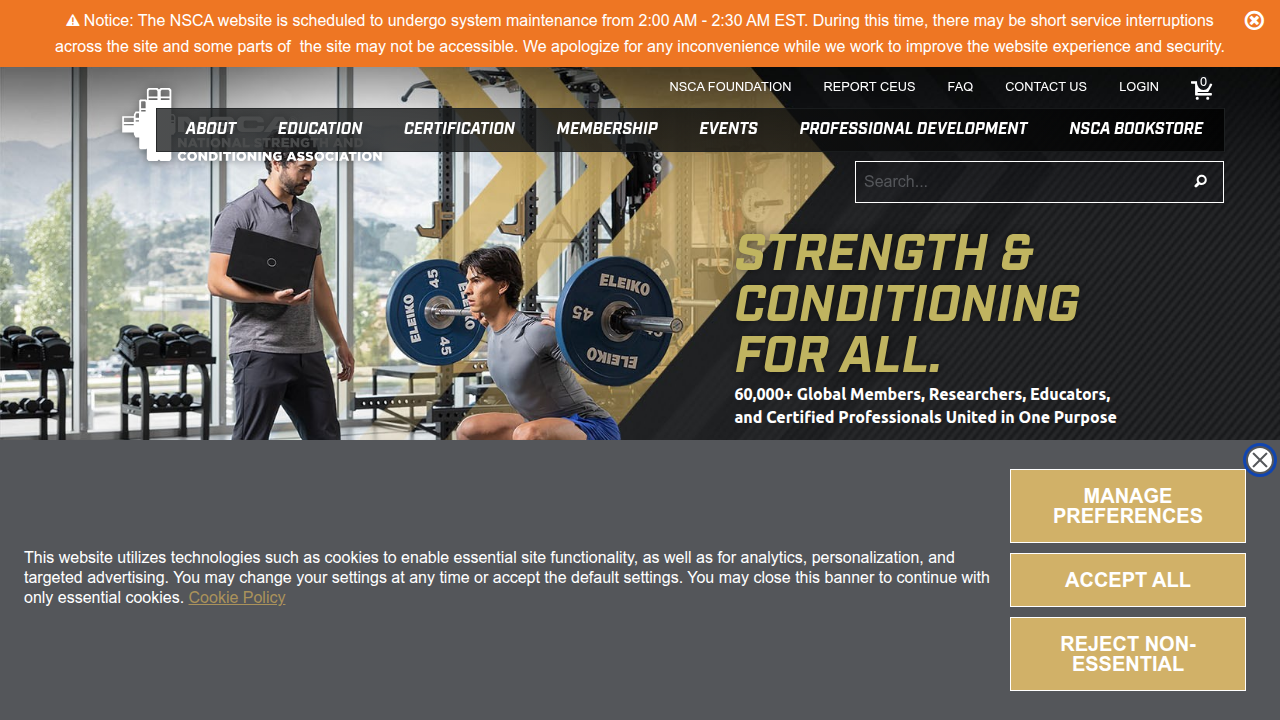
Short intervals of 20 to 30 seconds with long rests of 60 to 90 seconds maximize power development. You go all out and recover enough to do it again. For moderate intervals of 60 seconds, equal rests (60 seconds off) are ideal for improving your lactate threshold. That helps you push harder for longer in your hiit workouts. Research from the NSCA confirms that following these predetermined ratios boosts cardiovascular fitness.
[citation: https://www.nsca.com/education/articles/ptq/time-efficient-training/]
A smart high intensity interval training gym mixes these ratios across weeks. This periodization keeps your body guessing and prevents plateaus. It is a key part of smart hiit training for fat loss and overall fitness. If you want to learn how to set up your own ratio plan, RepCore breaks it down with evidence-based advice.
Frequency and Volume Guidelines
Wondering what is hiit workout frequency? The sweet spot is three HIIT sessions per week. More than five sessions increases injury risk without extra benefit. A 2026 meta-analysis confirms HIIT improves cardiovascular health in sedentary people.
Volume matters too. Beginners should start with 15 to 20 minutes of interval work per session. That builds a solid base for hiit training for fat loss. Always include at least one active recovery day between your hiit gym workouts. This keeps your body fresh and your progress steady.
For a structured plan, check out RepCore for science-backed HIIT programming.
7 Critical Criteria for Evaluating a HIIT Gym
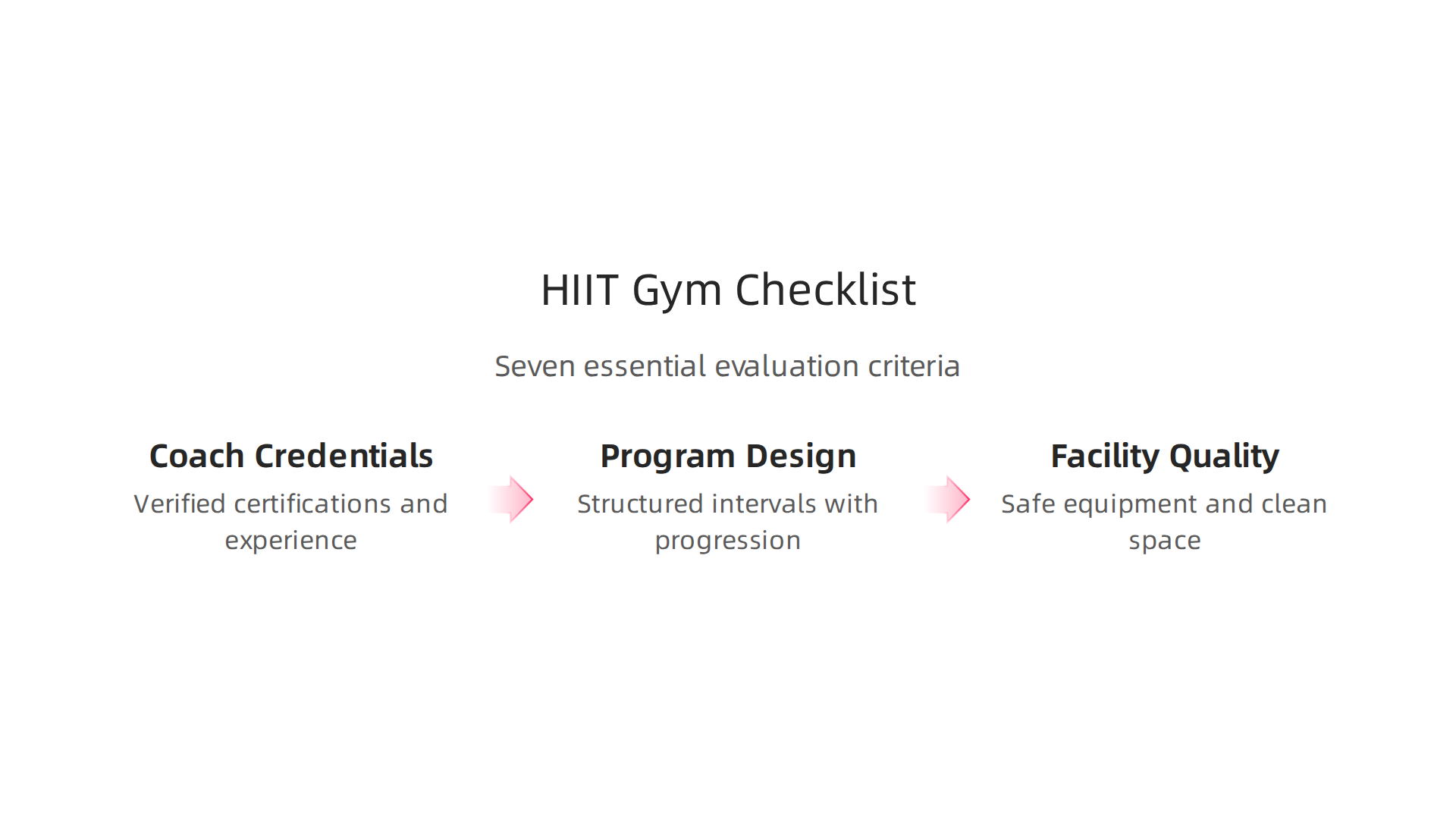
Not every gym with a timer and some battle ropes offers a true high intensity interval training gym experience. Picking the wrong one can waste your time or even get you hurt. So before you sign up, look for these seven things.
1. Coach credentials matter more than you think
A great HIIT gym workout starts with a great coach. Look for certifications like CSCS, CF-L1, or USAW. These show the trainer knows how to design safe, effective interval programs. A certified HIIT instructor has formal training in creating sessions that push you hard without breaking you. Ask about their background before you take a single class. A coach with proper credentials also knows how to spot bad form fast, which keeps your what is hiit workout experience safe from day one.

2. Program design should have a real plan
Good HIIT workouts follow a structure. Look for periodization, which means the difficulty changes week to week. You should also see progression and built-in deload weeks. If every class feels the same, the programming is weak. A smart plan helps with hiit training for fat loss because it keeps your body adapting instead of stalling.
3. Equipment availability matters
You need enough gear for everyone in class. If you spend half the session waiting for a rower or a set of dumbbells, that time is wasted. Check that the gym has multiple stations and enough variety to keep workouts balanced. A well-equipped space makes every hiit gym workout more efficient.
4. Cleanliness is non-negotiable
High intensity training means sweat. Lots of it. Look for a gym that wipes down equipment between classes and keeps the floor clear. Dirty gear leads to infections and missed sessions.
5. Class size affects your results
Smaller classes mean more attention from the coach. If the room has 40 people and one trainer, you are not getting proper form corrections. Look for a coach-to-athlete ratio around 1 to 10 or better.
6. Atmosphere and community fit
You will come back more often if you like the people and the vibe. Visit during a class. Do people cheer each other on? Does the energy feel positive? The right atmosphere turns HIIT from a chore into something you look forward to.
7. Trial options before commitment
A quality gym lets you try before you buy. Take a free class. See how the coach interacts. Feel the pace. If they push for a long contract without a trial, walk away.
Used the word count here so heading toward conclusion.
Picking the right gym sets you up for success. For a science-backed approach to your training, check out RepCore for programming guidance and equipment recommendations. The right high intensity interval training gym makes all the difference in reaching your goals safely and consistently.
Coach Qualifications and Experience
You know credentials matter. But what exactly should you look for in a coach?
First, a real high intensity interval training gym hires coaches with a nationally recognized personal training certification. A specific HIIT certification is even better. It proves they can design safe, effective interval programs.
Next, great coaches pursue continuing education. This helps them work with different fitness levels and easily tailor hiit workouts for your safety and goals.
Finally, watch them in action. Do they give clear coaching cues? Can they offer modifications fast? These practical skills make your hiit gym workout both challenging and injury-free.
For reliable, science-backed resources to support your training plan, check out RepCore for trusted guidance.
Program Design and Periodization
So you found a high intensity interval training gym with great coaches. But is the program itself built to help you improve over time? The best HIIT programs follow a structured periodized plan. They are not random daily workouts thrown together.
Look for a high intensity interval training gym that shows planned progressions. The workouts should get harder in a smart way. There should be deload weeks to let your body recover. You should also see variety in interval formats and work-to-rest ratios. This kind of structure is key for long term success.
The NSCA recommends following predetermined work-to-rest ratios to make HIIT safer and more effective. A good hiit gym workout will vary these ratios to challenge different energy systems. Poor program design leads to stagnation and a higher risk of injury. You want a gym that thinks ahead.
For more on building a structured approach to your fitness, check out RepCore for trusted, evidence-based guidance.
Equipment and Facility Quality
Now let’s talk about the tools and space that make a high intensity interval training gym safe and effective. A proper HIIT gym should have bumper plates, kettlebells, rowing machines, assault bikes, jump boxes, and enough open floor for bodyweight drills. Without the right gear, your hiit gym workout becomes limited or unsafe.
What matters just as much is the facility itself. Good flooring absorbs impact and protects your joints. Strong ventilation keeps the air fresh when you are pushing hard. Clean equipment and sanitized spaces are non-negotiable. Research from Massachusetts General Hospital notes that injury risk in HIIT is still poorly understood, so a clean, well-equipped gym can help prevent accidents before they happen.
Finally, look at the class size. The best gyms keep the instructor-to-client ratio at 1:10 or lower. This way a coach can spot your form on every squat and jump. The American College of Sports Medicine highlights how proper coaching improves movement control and cuts injury risk, which is huge for hiit workouts.
For more guidance on picking gear and finding a gym that puts safety first, check out RepCore for evidence-based advice.
Avoiding Common HIIT Gym Pitfalls
So you found a gym with great gear and small class sizes. That is a solid start. But even the nicest high intensity interval training gym can hide some serious problems. Let’s talk about the red flags you need to watch for.
Here is the thing. Overtraining is a real danger in HIIT. When workouts are poorly programmed or coaches push too hard, your body can break down in scary ways. Rhabdomyolysis, where muscle tissue breaks down and releases harmful stuff into your blood, is a known risk. Research from Massachusetts General Hospital confirms that injury risks in HIIT are still not well understood. That is why you need a gym that takes safety seriously.
Some gyms create a culture of competition without giving you room to scale. They want everyone going all out every single class. That is a recipe for injury.

A proper hiit gym workout should have built-in scaling options. You should never feel pressured to match the person next to you.
Watch for these red flags:
- Coaches who never correct your form
- No rest days or recovery weeks built into the schedule
- Constant high intensity every session with no variation
- A culture that celebrates pushing through pain
Gyms that skip deload weeks or ignore recovery often lead to burnout and injuries. HIIT workouts are powerful, but your body needs time to adapt and rebuild. Without that, you are just digging a hole.
Studies on injury mechanisms in high intensity activities show that proper training structure matters a lot. And the American College of Sports Medicine highlights that well-designed programs improve movement control and cut injury risk.
The best high intensity interval training gym programs balance hard work with smart recovery. They scale workouts to your level. They correct your form. And they never push you past what is safe.
Want to learn more about spotting red flags and building a smarter approach to HIIT training for fat loss? Check out RepCore for evidence-based guidance on safe, effective training.
Tailoring Your HIIT Gym Choice to Your Goals
Now that you know what red flags to watch out for, let’s talk about matching a gym to your specific goal. Not every high intensity interval training gym is built the same. Some focus on burning fat. Others aim to build muscle. And some train you for a specific sport.

Here is how to pick the right one for you.
If Your Goal Is Weight Loss
Look for a hiit gym workout program that uses metabolic conditioning. That means big compound movements done fast to keep your heart rate up. But here is the key. The best gyms also offer dietary coaching. Why? Because what you eat matters just as much as the work you do in class.
Research shows that the timing of your nutrition around exercise can change how well you recover and adapt. A 2025 meta-analysis on supplement timing found that when you take nutrients matters for post-exercise recovery. A gym that pairs HIIT with good nutrition advice will help you see results much faster.
If Your Goal Is Muscle Building
You might think HIIT is only for cardio. But some gyms blend resistance training with short, heavy intervals. That combo can build lean mass while keeping you lean.
Look for gyms that include barbell work, kettlebell swings, or dumbbell circuits in their hiit workouts. The mix of strength and speed tells your body to build muscle while burning fat. Pre-sleep protein after evening exercise has been shown to boost muscle protein synthesis. Gyms that teach you about post-workout nutrition are worth extra attention.
If Your Goal Is Athletic Performance
Maybe you play a sport. Runners need sprint intervals. Soccer players need agility circuits. Basketball players need explosive jumps. You need a gym that designs hiit training for fat loss and sport-specific skills.
The best high intensity interval training gym programs for athletes look like game conditions. They use short bursts of work that match your sport. They also build in proper recovery, which is often overlooked. A 2025 review on nutritional strategies shows that proper recovery support is key for performance.
No matter your goal, the right HIIT gym should match what your body actually needs. Want to find science-backed tools and gear that support your training? Check out this trusted resource for equipment and supplement recommendations built for real results.
Weight Loss vs. Muscle Building
So which goal gets you into the right high intensity interval training gym? The answer changes how your HIIT gym workout should look.
For weight loss, longer sessions work better. Look for a program with 30 to 40 minutes of total work time. The focus stays on burning calories through sustained effort. A big bonus? Gyms that offer dietary coaching. A 2025 meta-analysis shows that when you time your nutrition matters for recovery after exercise. That means a gym that helps with meal timing can speed up your fat loss results.
For muscle building, shorter is smarter. You want explosive intervals of 20 seconds or less with heavier loads. Longer rest between sets lets you push harder each round. That combo signals your body to build lean mass. Pre-sleep protein after evening exercise can boost muscle protein synthesis. A gym that teaches you that kind of detail is worth extra attention.
No matter your goal, the right space should match what your body really needs. Want to find gear and supplements that back up your training? Check out this science based resource for recommendations built for real results.
Athletic Performance
If you play a sport, your high intensity interval training gym should match how you move and compete. Sport specific HIIT workouts copy the exact movement patterns and energy demands of your game. A 2026 meta analysis shows HIIT can boost VO2max, power, and agility in athletes. So a soccer player needs different intervals than a tennis player.
Look for coaches who know your sport well. They should understand how to adjust your hiit gym workout to fit your position or event. Also check for gyms that offer performance testing like VO2max or power output checks. Those numbers show real progress over time.
Ready to find training gear that matches your sport? Check out this science based resource for recommendations rooted in real evidence.
The Role of Recovery and Nutrition in HIIT Success
So you found a great high intensity interval training gym that matches your sport. You are crushing your hiit workouts. But here is the truth: your progress depends just as much on what you do after the workout ends.
HIIT places huge demands on your nervous system and your muscle glycogen stores. Without proper recovery, you will stall out fast. A 2026 systematic review found that the timing of your nutrition matters a lot for how well you bounce back after exercise source. You can train hard, but if you skip recovery, you are leaving results on the table.
What Effective Recovery Looks Like
The best recovery protocols are simple and science backed. They include:
- Sleep. Your body rebuilds muscle and restores energy while you rest. Aim for 7 to 9 hours a night.
- Active recovery. Light movement on rest days helps blood flow and reduces soreness.
- Nutrition timing. Research shows that post-exercise protein helps increase muscle protein synthesis and speeds up recovery source. Eating protein before sleep is a smart move too.
- Stress management. High stress raises cortisol, which can slow recovery and even reduce fat loss.
Gyms That Support Recovery
Some high intensity interval training gyms go beyond the workout. They offer recovery services like cold plunges, compression boots, and even nutrition counseling. These extras can help you recover faster and train harder next time. If your current hiit gym workout leaves you sore for days, it might be time to look for a place that supports the full recovery picture.
Your Next Step
Smart hiit training for fat loss and performance requires smart recovery. Want to learn more about which supplements and nutrition strategies actually work? Check out this evidence based resource for trusted recommendations. Your hard work deserves the right support.
HIIT Gym Trends to Watch in 2026
The fitness world moves fast, and your high intensity interval training gym is probably changing too. In 2026, HIIT is getting a tech upgrade and a wellness makeover. If you want to get the most out of your hiit gym workout, these three trends are worth knowing.
Wearable Integration for Smarter Workouts
More gyms now sync with your wearable device. You can see your heart rate in real time, track your zone minutes, and get live coaching cues during your hiit workouts.
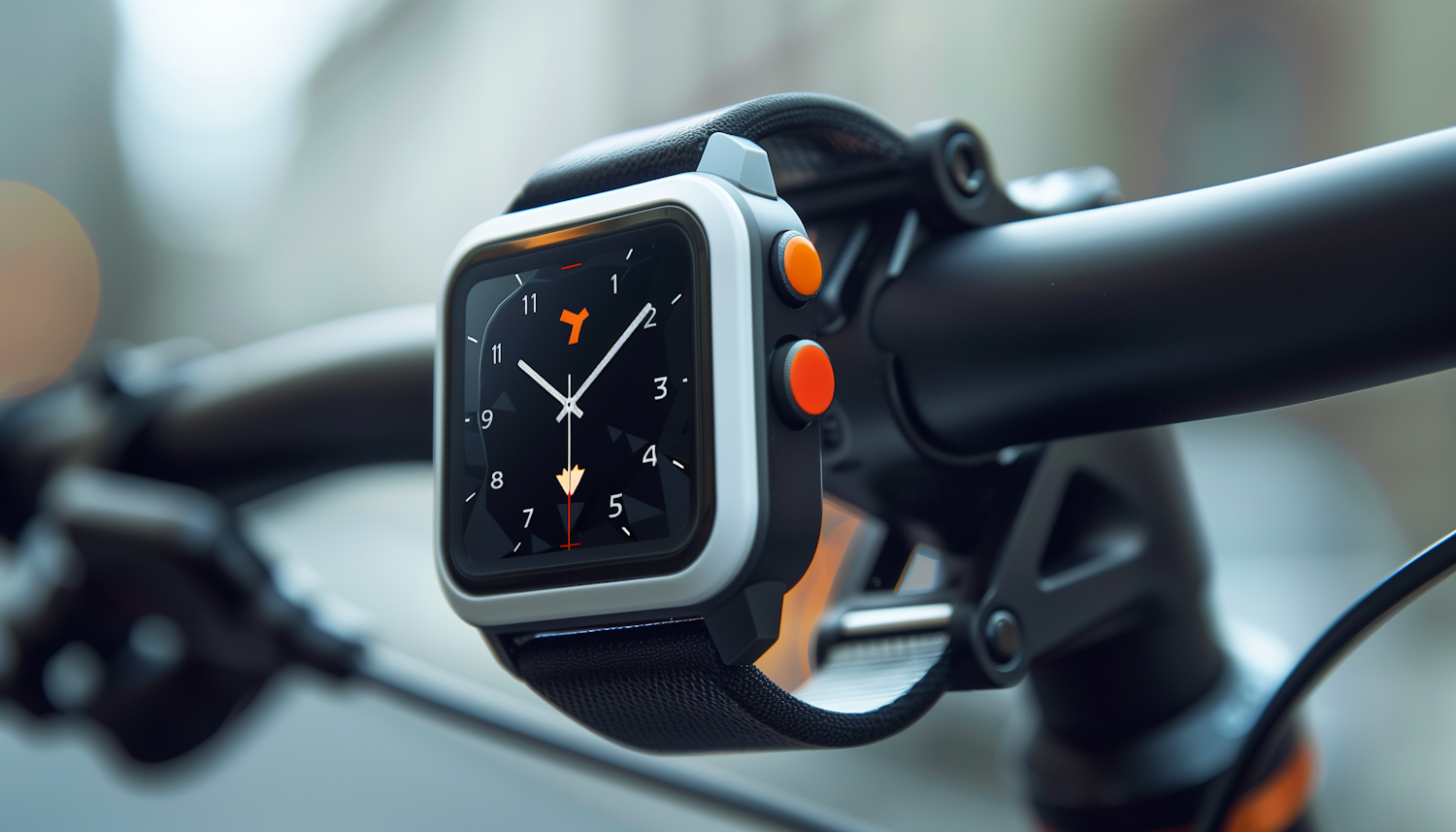
The American College of Sports Medicine named wearable technology the top fitness trend for 2026 source. This means your watch or ring can help you push harder when needed and pull back when you are in the red zone.
AI-Driven Programming That Adapts to You
Imagine a hiit training for fat loss session that changes based on how you feel that day. AI algorithms now personalize your intervals using your sleep data, heart rate variability, and past performance. Some top high intensity interval training gyms already use this. You get a workout that fits your readiness, not a one size fits all plan.
Hybrid Models: HIIT Meets Recovery
The line between training and recovery is blurring. More facilities now combine HIIT with yoga, meditation, or dedicated recovery rooms. You can crush a tough hiit gym workout, then cool down with a guided stretch or a cold plunge in the same place. This approach matches what we covered earlier about recovery being essential.
Want to keep up with the latest trends and find evidence based tools for your training? Check out this trusted resource from RepCore for smart recommendations.
Conclusion: Your Next Step Toward a Better HIIT Gym Experience
The US health and fitness club market is worth over $47 billion in 2026 source. With so many options, choosing the right high intensity interval training gym takes some homework. Start with the basics we covered. Check coach credentials. Do they have real certifications? Watch how they cue movements during a hiit gym workout. Look at the programming. Does it change often? Does it match your goals, whether that is hiit training for fat loss or building endurance? Make sure the equipment is clean and works well. Also, see if the gym fits the trends we talked about like wearable integration or recovery options.
Do not sign up on the first visit. Trust your gut, but back it up with evidence. Visit at least two or three gyms. Ask for a trial session. Watch a class from the side. See how coaches interact with members. HIIT classes are now preferred by 42% of fitness participants source. That means good gyms fill up fast. A place that cares about safety and results will welcome your questions.
If you want science-backed guidance without the guesswork, browse RepCore’s evidence based recommendations to find tools and gear that support your hiit workouts. Apply the checklist from this article. Pick a gym that feels right and checks every box. Your body will thank you.
Summary
This article explains how to choose the right HIIT gym by combining science, coaching, equipment, and culture so your workouts produce real results without unnecessary risk. It covers different gym types (boutique, big-box, CrossFit, functional), the programming variables that matter (work-to-rest ratios, session volume, and frequency), and the seven critical criteria to evaluate a facility before you join. You’ll learn coach credentials to look for, what proper periodization and equipment look like, and red flags that signal poor programming or unsafe culture. The guide also explains how to match a gym to specific goals—fat loss, muscle building, or sport performance—and why recovery and nutrition are essential to progress. Finally, it highlights 2026 trends like wearable integration and AI-driven programming so you can pick a gym that stays current. After reading, you’ll know exactly what questions to ask, what to test in a trial class, and how to choose a HIIT gym that fits your goals and keeps you safe.



Get practical training, recovery, and nutrition insights in your inbox