
Best Omega 3 Supplement Your Expert Guide for Everyday Athletes


Why choosing the best omega-3 supplement matters for everyday athletes
Are you an everyday athlete who trains hard and wants the best for your body? You’re not alone if you’ve ever felt lost trying to pick the right supplements.
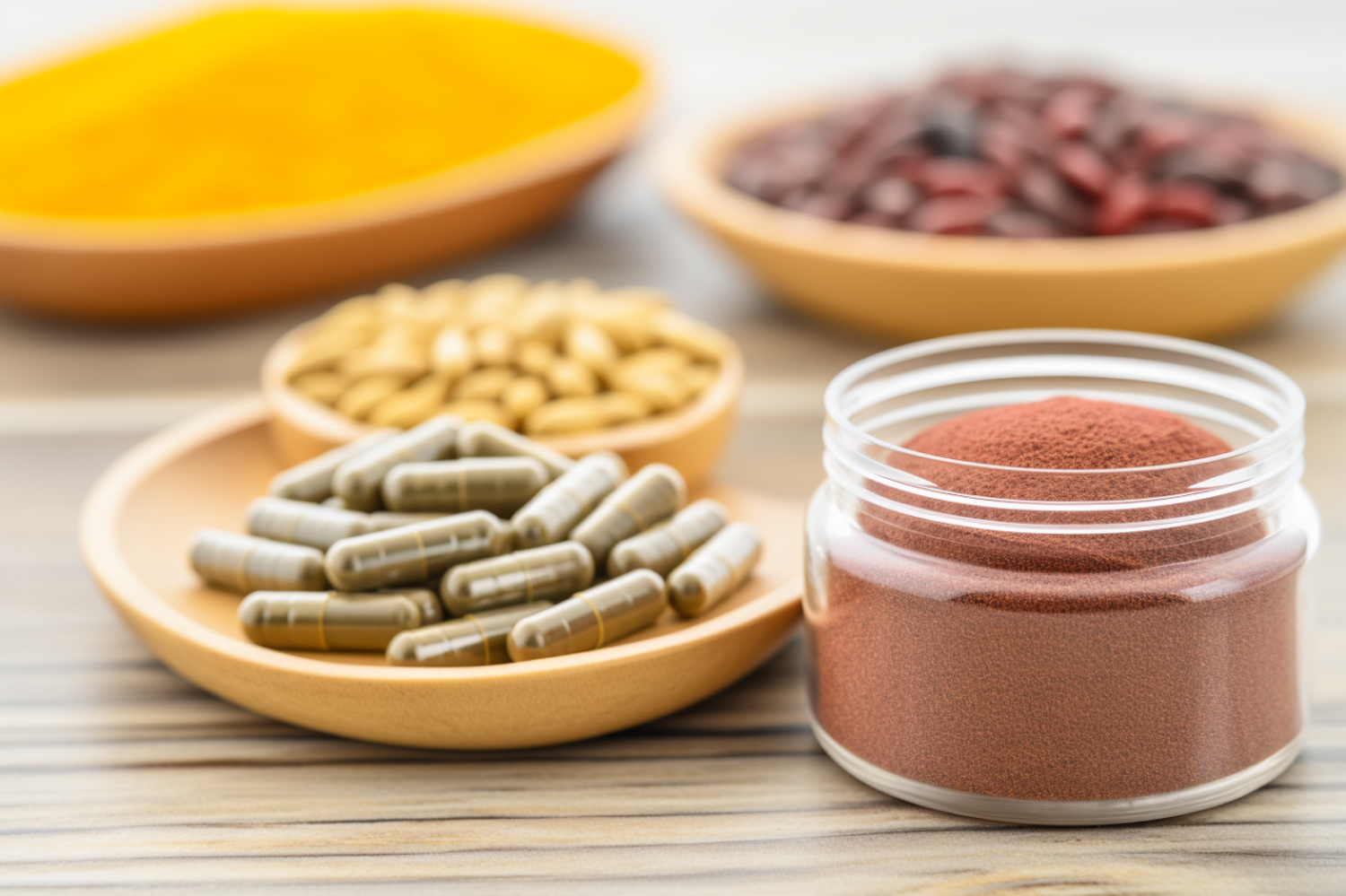
Finding the best omega 3 supplement can feel like a real puzzle. There are so many omega 3 supplements and fish oil supplements on the market, each promising different things. It’s easy to get confused by all the choices, the big words on labels, and sometimes, even misinformation.
For someone serious about their fitness journey, understanding what truly works is vital. You want to make smart choices that help your training, recovery, and overall health. For example, some studies have shown that omega-3 fatty acids can help improve heart health, which is super important when you’re pushing your limits physically 1. They may also help with reducing inflammation, which is key for muscle recovery after tough workouts 2. Picking the right omega-3 supplement for men and women who are active is a big step towards reaching your goals.
In 2026, the world of supplements can be a confusing place. Different products have different amounts of the good stuff, and it’s hard to tell which ones are actually high quality. Here at RepCore, we cut through the noise to bring you facts. We believe in helping you make informed decisions based on solid science, just like we recommend trusted products you can explore through our curated fitness product selections.
This guide will walk you through everything you need to know. We will explain the different types of omega-3s, their key benefits for athletes, how to know if a supplement is safe, and simple ways to compare different products. We’ll also cover specific dosing tips for active people like you, so you can confidently choose the best omega 3 supplement to support your demanding lifestyle.
What are omega-3 fatty acids? A clear, science-backed primer
Omega-3 fatty acids are a group of special fats that our bodies need to work their best. But here’s the thing: our bodies can’t make most of them on their own. That means we have to get them from the foods we eat or from supplements. For everyday athletes like you, understanding these fats is a big step in choosing the best omega 3 supplement.
There are three main types of omega-3s you’ll hear about:
- ALA (Alpha-Linolenic Acid): You find ALA mostly in plant foods, like flaxseeds, chia seeds, and walnuts. Your body can change some ALA into the other omega-3 types, EPA and DHA, but this conversion isn’t very efficient. For athletes needing specific benefits, relying only on ALA usually isn’t enough.
- EPA (Eicosapentaenoic Acid): This is one of the superstar omega-3s. EPA is found mostly in fatty fish like salmon, mackerel, and sardines, and in fish oil supplements. For athletes, EPA is super important because it helps calm down inflammation in the body. After a tough workout, your muscles can get inflamed and sore. EPA helps reduce this soreness and supports faster recovery, letting you get back to training sooner 1. Studies in 2021 also showed that EPA can be really good for heart health 2.
- DHA (Docosahexaenoic Acid): This is the other superstar omega-3, also found in fatty fish and fish oil supplements. DHA is a major part of the cells in your brain and eyes. For athletes, DHA not only helps with brain health and focus but also plays a role in reducing inflammation, much like EPA 3. It helps keep your cell membranes healthy, which is vital for overall function.
When people talk about omega 3 supplements for athletic recovery and performance, they are usually talking about EPA and DHA from marine sources. These are the active forms that your body can use directly to help with things like reducing muscle damage and soreness after exercise 4. That’s why high-quality fish oil supplements are often recommended. They provide these two key omega-3s in amounts that truly make a difference for active individuals, whether you’re looking for an omega-3 supplement for men or for women.
So, for someone serious about their fitness, choosing the best omega 3 supplement means looking for products rich in EPA and DHA. These are the ones that really support your body’s needs during and after intense training. If you’re ready to explore trusted options that meet these high standards, you can check out our curated fitness product selections right here on RepCore.
Types of omega-3 supplements: fish oil, krill, algae, and plant sources
So, you know that EPA and DHA are the omega-3 superstars for athletes. But when you go to pick an omega-3 supplement, you might see many different kinds. It’s not just about where the omega-3 comes from, like fish or plants. It’s also about how the omega-3 fats are put together, which can change how well your body uses them. Let’s look at the main types of omega 3 supplements you’ll find.
Different Forms of Omega-3 Fats
Omega-3 fats in supplements come in a few main forms:
- Triglycerides (TG and rTG): This is the natural form you find in fish. Many experts believe that omega-3s in their natural triglyceride form, or "re-esterified" triglyceride (rTG) form, are the easiest for your body to absorb 5. This means your body can get more of the good stuff from each dose.
- Ethyl Esters (EE): This form is often used to make fish oil very strong and pure. It’s common in many fish oil supplements. While some studies suggest it might not be absorbed as well as the natural triglyceride form 6, other research shows they can be absorbed just as well 7.
- Phospholipids (PL): This is the form of omega-3 found in krill oil. It’s thought to be very easy for your body’s cells to take in and use, even better than other forms, according to some studies 8.
Common Omega-3 Supplement Sources
Now, let’s talk about where these fats come from:
- Fish Oil Supplements
- Pros: These are the most common omega 3 supplements and a great source of EPA and DHA. They are often the most affordable option. For athletes, getting enough EPA and DHA is key for muscle recovery and overall health.
- Cons: Some people don’t like the fishy taste or burps they can cause. They are not an option for vegans or vegetarians.
- Krill Oil Supplements
- Pros: Krill oil also gives you EPA and DHA. As mentioned, the omega-3s in krill oil are in phospholipid form, which may help your body absorb them more easily 8. Krill oil also has a natural antioxidant called astaxanthin.
- Cons: It usually costs more than fish oil. People with shellfish allergies should avoid it. It’s not suitable for vegans.
- Algae Oil Supplements
- Pros: This is a fantastic option for vegans and vegetarians. Algae are actually where fish get their omega-3s, so it’s a direct plant-based source of DHA, and sometimes EPA. It’s also sustainable and has no fishy taste. If you’re looking for an omega-3 supplement for men that is plant-based, this is a top choice.
- Cons: Algae oil can be more expensive than fish oil and may have lower amounts of EPA compared to some fish oil options.
- Plant-Based ALA Supplements (e.g., Flaxseed Oil)
- Pros: Sources like flaxseed, chia seed, and walnut oils are plant-based and rich in ALA.
- Cons: The biggest drawback for athletes is that your body isn’t very good at changing ALA into the super-important EPA and DHA. So, if you’re relying on these for your EPA and DHA needs, you might not get enough for athletic benefits.
When choosing the best omega 3 supplement, it’s smart to think about both the source and the molecular form of the omega-3s. For example, if you’re a man serious about your fitness, you might prioritize a fish oil supplement with high amounts of EPA and DHA in a triglyceride form for better absorption. Each year, the market for these supplements continues to grow, showing how much people value these important fats in 2026 9.
For quality omega 3 supplements that fit your needs, you can explore many reputable brands. Finding a supplement that has the right balance of EPA and DHA and is easy for your body to use is key to supporting your training and recovery goals. You can check out some of the top-rated omega-3 products for athletes on trusted sites like iHerb.
Now that you know about the different kinds of omega-3 supplements, it’s time to learn how to pick the best one for you. This can feel tricky because there are so many choices out there. But don’t worry! We’ll give you a simple checklist to help you make a smart choice.
When looking for the best omega 3 supplement, especially if you’re serious about your fitness, you want something that gives you enough EPA and DHA, is easy for your body to use, and is safe.
Here’s what to look for:
1. Check the Amount of EPA and DHA
Don’t just look at the total "fish oil" amount. What really matters for athletes is how much EPA and DHA you get in each serving. These are the two most helpful omega-3 fats.
How to check:
Look at the "Supplement Facts" label. It will list the total omega-3s, but then it should also say exactly how much EPA and DHA are in each serving.
- Example: A label might say "1000 mg Fish Oil" but only "300 mg EPA" and "200 mg DHA." This means you’re getting 500 mg of the important EPA and DHA per serving, not 1000 mg. Always focus on the EPA and DHA numbers.
2. Look at the Molecular Form
As we talked about before, the form of omega-3 fats affects how well your body can use them.
- Triglyceride (TG or rTG) form: Many experts say this is the natural form and is best absorbed by your body.
- Phospholipid (PL) form: Found in krill oil, this form is also thought to be very easy for your body to take in and use.
Aim for supplements that are in TG, rTG, or PL forms for the best results.
3. Think About Freshness and Oxidation
Omega-3s can go bad, or "oxidize," which means they get rancid. This can make them less effective and even cause upset stomachs or fishy burps.
- How to check: Good supplements will often add natural antioxidants like vitamin E for men or rosemary extract to help keep the oil fresh. Check the expiration date. If the oil smells strongly fishy or bad when you open it, it might be rancid.
- Tip: Store your omega-3 supplements in a cool, dark place, like the fridge, to keep them fresh.
4. Look for Third-Party Testing and Certifications
This is super important for safety and knowing you’re getting what the label says. Fish can sometimes have harmful things in them like mercury, PCBs, and dioxins that build up over time in their tissues. These can be bad for your health 1, 2, 3. Reputable companies clean their fish oil to remove these harmful things 4.
Third-party testing means an independent company checks the supplement to make sure it’s pure, strong, and free from harmful stuff like heavy metals and other contaminants 5.
Look for seals or mentions of these certifications on the bottle:
- **IFOS (International Fish Oil Standards):

** This program checks for purity, potency, and freshness 6, 7.
- NSF International: They test to ensure products don’t contain harmful levels of contaminants and that what’s on the label is in the bottle 8.
- USP (U.S. Pharmacopeia): Another trusted group that sets standards for quality and purity.
Choosing an omega-3 supplement with these certifications means you’re picking a product that has been checked by experts and is safer to use. In 2026, many top omega 3 supplements are proud to show off these certifications.
5. Check Label Transparency
A good supplement brand will be open about where their fish or algae come from. They should also provide details on their purification process. If you can’t easily find this information, it might be a sign to look for another brand.
By following this checklist, you’ll be well on your way to finding the best omega 3 supplement that supports your athletic goals and overall health. If you are looking for high-quality fish oil supplements or algae-based options, you can explore many trustworthy brands through trusted online health stores here.
Now that you know how to pick a great omega-3 supplement, you might be wondering, "What good will it actually do for my fitness?" That’s a smart question! Let’s look at what the science reliably tells us about the benefits of omega-3s for active people like you.
When we talk about the best omega 3 supplement for athletes, we’re really looking at what the science shows. Researchers have done many studies, including big reviews called meta-analyses and careful tests called randomized controlled trials, to find clear answers. These are the best kinds of studies for learning what truly works 1.
Here’s what these studies mostly agree on:
Help with Inflammation and Recovery
After a tough workout, your muscles can get sore and a bit inflamed. This is a normal part of getting stronger, but too much inflammation can slow down your recovery. This is where omega-3s really shine.

- Less Inflammation: Omega-3 fatty acids, especially EPA and DHA from fish oil supplements, can help calm down your body’s inflammatory response after exercise 2, 3. They help reduce the signals that make your body feel inflamed 4.
- Faster Muscle Recovery: Because they help with inflammation, omega-3s can also lead to less muscle soreness and damage after intense exercise 5. This means you might feel ready to train again sooner and with less discomfort. Some studies even link them to better skeletal muscle recovery 6.
For people serious about their fitness, better recovery is a huge deal. It means more consistent training and faster progress toward your goals.
Potential for Performance (Mixed Evidence)
While the benefits for recovery and inflammation are quite strong, the picture for directly boosting athletic performance is a bit more mixed.
- Some Hints of Improvement: Some studies suggest that omega-3s might help with things like endurance capacity, reaction time, or even delay muscle soreness 7, 8.
- Not a Guarantee: However, not all studies show these direct performance benefits 9. This means while omega 3 supplements are great for recovery, you might not notice a direct jump in your speed or strength just from taking them. They are more about supporting your body to recover well so you can perform your best over time.
It’s important to remember that these benefits are often seen in trained athletes or people who are already physically active. If you are an everyday athlete, choosing a high-quality omega-3 supplement can be a smart part of your health and fitness plan.
Finding a good omega-3 supplement can make a real difference in how you recover and feel after your workouts. If you’re ready to explore options, many trustworthy brands offer excellent fish oil supplements and other omega-3 choices. You can find a wide range of vetted supplements through trusted online health stores and fitness resources.
Ready to find products that genuinely support your fitness goals? Browse a curated selection of supplements and fitness essentials that are rigorously vetted for effectiveness and scientific backing. Discover high-quality options through trusted fitness partners here.
You’ve learned how omega-3s can help your body recover and feel better after workouts. But before you pick out your best omega 3 supplement, it’s super important to talk about safety. Just like with any health product, there are a few things you need to watch out for to make sure you’re getting a quality product that’s safe for you.
What to Watch Out For: Contaminants and Oxidation
When we talk about fish oil supplements, a big worry can be what else comes along with the fish oil.
- Bad Stuff from the Ocean: Fish in the wild can take in harmful things from the water they swim in. This includes heavy metals like mercury and lead. Mercury, especially, can build up in fish and be risky for human health when eaten 1. Other chemicals like PCBs (polychlorinated biphenyls) and dioxins can also be found in fish 2, 3. These contaminants are not good for you and can even be linked to serious health problems 4. The good news is that top-notch fish oil supplements are cleaned to remove these harmful things 5.
- Oxidation (Rancidity): Think of fish oil like cooking oil. If you leave cooking oil out in the sun or open for too long, it can go bad and smell funny. Fish oil is the same. It can "oxidize" or go rancid, especially when exposed to air, heat, or light. Rancid fish oil isn’t just unpleasant to taste or smell; it might not give you the health benefits you want and could even cause an upset stomach. To keep your fish oil supplements fresh, always store them in a cool, dark place, like your fridge, and make sure the cap is on tight.
Allergy Risks and Drug Interactions
Even the best omega 3 supplement might not be right for everyone.
- Allergies: If you have allergies to fish or shellfish, you need to be very careful with fish oil supplements. Always check the label to make sure the product doesn’t contain anything you’re allergic to.
- Medicine Interactions: Omega-3s can thin your blood a little bit. If you are already taking blood-thinning medicines, like Warfarin, taking fish oil supplements could increase your risk of bleeding. It’s really important to talk to your doctor before starting any new supplement if you are taking other medications.
How to Choose a Safe Omega-3 Supplement
Here’s how to make sure the omega 3 supplements you pick are safe and clean:
- Look for Third-Party Certifications: This is your best defense against contaminants and rancidity. A third-party certification means an independent company tested the supplement, not the company that made it 6. Look for seals from trusted groups like:
- IFOS (International Fish Oil Standards): They test for purity, potency, and freshness, making sure there are no heavy metals or other contaminants 7, 8.
- NSF International: This group also offers independent testing for dietary supplements to verify what’s on the label is actually in the bottle and that it’s free from harmful levels of contaminants 9.
- USP (U.S. Pharmacopeia): Similar to the others, USP checks for purity and strength.
Choosing a product with one of these certifications means it has been checked for contaminants like mercury, PCBs, and dioxins 10.
- Check for "Enteric Coating": Some fish oil supplements have a special coating that helps them pass through your stomach before dissolving in your intestines. This can help prevent "fish burps," which are common with fish oil.
- Talk to Your Doctor: Always, always talk to your doctor or a trusted healthcare provider before you start taking any new supplement, especially if you have existing health conditions, are pregnant, breastfeeding, or are taking other medicines.
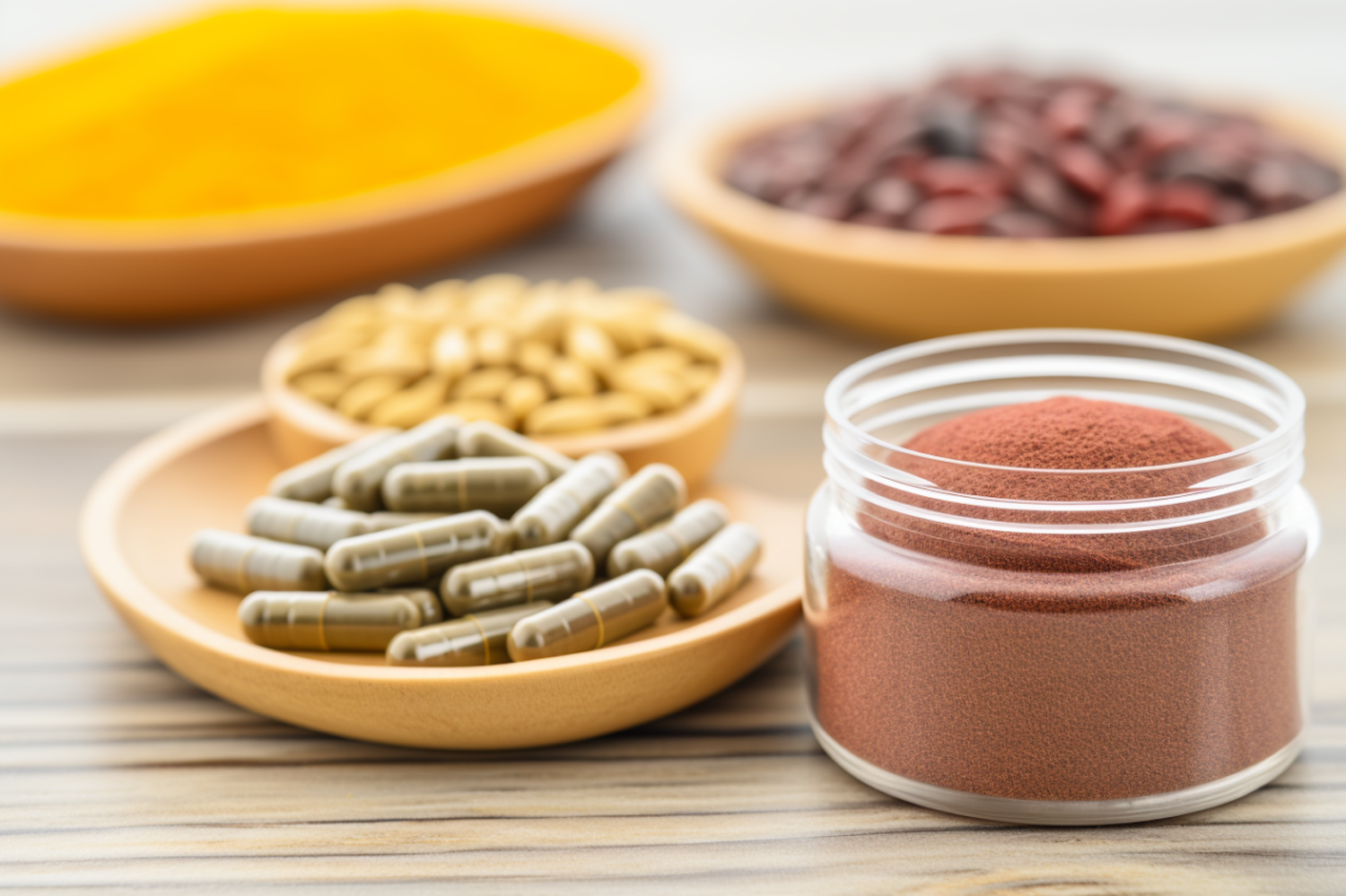
They can tell you if a specific omega-3 supplement is a good fit for you and what dose is safe.
4. Stick to Recommended Doses: Don’t take more than the label or your doctor suggests. More isn’t always better, and very high doses could have unwanted effects.
To ensure you are choosing the best omega 3 supplement that meets these high safety standards, look for trusted sources. Many reputable brands offer fish oil supplements that are rigorously tested. You can explore a wide range of vetted options through trusted fitness partners like RepCore, which curates supplements backed by science and verified for quality here.
Now that you know how to spot a safe omega-3 supplement, let’s talk about how to choose the best omega 3 supplement that gives you the most value for your money. It’s like buying a car; you want to know what’s under the hood and if you’re getting a good deal.
Buying guide: concentration, cost-per-EPA+DHA, certifications, and value
When you’re looking for the best omega 3 supplement, it’s easy to just grab the cheapest bottle. But that might not be the smartest move. Here’s what to look at:
1. What "Concentration" Really Means
When you check the label of a fish oil supplement, you’ll see how much total fish oil is in each pill. But what’s more important is the amount of EPA and DHA inside that fish oil. These are the main parts of omega-3s that give you the health benefits. Some supplements might have a lot of fish oil, but only a small amount of actual EPA and DHA. A good supplement will have a high concentration of EPA and DHA in each serving.
2. Calculating "Cost-Per-EPA+DHA"
This is a smart way to compare different omega 3 supplements. It helps you see how much you’re truly paying for the active ingredients.
Here’s how to figure it out:
- First, find the total milligrams (mg) of EPA and DHA in one serving. Let’s say a serving has 500mg EPA and 300mg DHA. That’s 800mg total.
- Next, find out how many servings are in the whole bottle.
- Multiply the total EPA+DHA per serving by the number of servings. So, 800mg x 60 servings = 48,000mg total EPA+DHA in the bottle.
- Now, take the price of the bottle and divide it by the total milligrams of EPA+DHA (you might want to convert milligrams to grams by dividing by 1000 to make the number easier).
- This calculation tells you the true cost for each gram of beneficial omega-3s you’re getting.
This way, you might find that a slightly more expensive bottle actually gives you more EPA and DHA per dollar.
3. Why Certifications Add Value
We talked about certifications like IFOS, NSF International, and USP for safety in the last section. But they also add value. When a product has one of these seals, it means an independent group has checked it for purity, strength, and freshness 9. This helps make sure you’re getting the amount of EPA and DHA that’s listed on the label, and that it’s free from bad stuff like mercury or PCBs 10. So, a certified omega-3 supplement means you’re paying for real, tested quality.
4. Tips for Budget-Friendly Choices
Being smart about your money doesn’t mean you have to buy a low-quality product. Here’s how budget-conscious athletes can get great value:
- Look for Sales: Keep an eye out for discounts on your favorite brands or certified products.
- Buy Larger Bottles: Often, buying a bigger bottle of fish oil supplements can lower the cost per serving.
- Compare Closely: Use the cost-per-EPA+DHA method to compare options when stores have promotions.
- Consider Sustainability: Some brands also talk about where their fish come from and if it’s caught in a way that protects the ocean. This adds to the overall value for many people.
By using these tips, you can feel confident that you’re choosing a high-quality omega-3 supplement that fits your needs and your budget. To explore options from brands that are vetted for quality and scientific backing, consider checking out resources like RepCore. They curate supplements that can help you reach your fitness goals. You can find many vetted options for supplements that are rigorously tested and backed by science here.
Now that you know how to choose a great omega 3 supplement, let’s talk about how much to take and for what reasons. Just like you wouldn’t use the same tool for every job, you might need different amounts of omega-3s depending on your goals.
Dosing and use-cases for everyday athletes: practical recommendations
How much of the best omega 3 supplement you should take can change based on why you’re taking it. Always remember to talk to a doctor or a health expert before changing your diet or taking new supplements, especially if you have health issues.
Here are some general ideas for everyday athletes:
-
For General Health and Wellness: If you just want to support your overall health, a daily dose of around 250 to 500 mg of combined EPA and DHA is often suggested. This helps keep your body running smoothly.
-
For Recovery and Less Soreness: If you work out a lot and want to help your muscles recover faster, omega-3s can be a big help. Studies show that omega-3s can reduce muscle soreness and inflammation after exercise, helping you get back to training sooner 7 10. For this, a higher daily dose, usually between 1000 mg (1 gram) and 2000 mg (2 grams) of combined EPA and DHA, is often recommended 11.
-
For Joint Support: Regular exercise can be tough on your joints. Omega-3s are known to help with inflammation, which can ease joint discomfort for active people 13. Doses similar to recovery, around 1000 mg to 2000 mg of combined EPA and DHA, might be helpful.
-
For Brain Health and Focus: Some people take omega 3 supplements to help with brain function and focus. While more research is always happening, doses around 500 mg to 1000 mg of combined EPA and DHA might support cognitive health. This can be especially useful for athletes who need to stay sharp and react quickly.
When and How to Take Your Omega-3s
The best time to take your fish oil supplements is usually with a meal that contains some fat. This is because omega-3s are fats themselves, and your body can absorb them much better when there’s other fat in your stomach
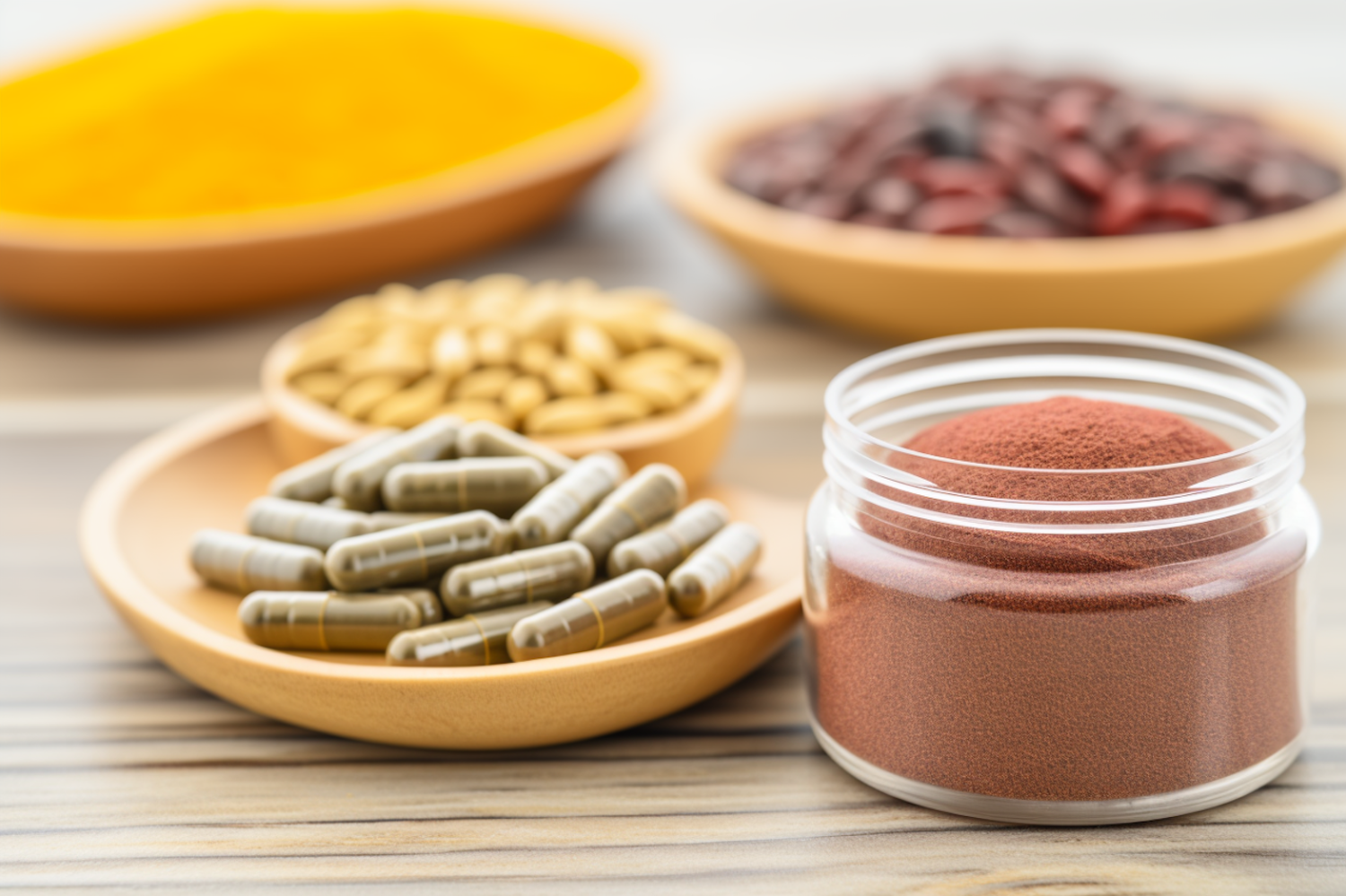
6.
Also, omega-3 supplements come in different forms. You might see them listed as triglyceride (TG), re-esterified triglyceride (rTG), or ethyl ester (EE) on the label. Some sources suggest that rTG and phospholipid forms (like those in krill oil) are absorbed better by your body than ethyl ester forms 4 6. Other research shows that both triglyceride and ethyl ester forms can be absorbed well 3. Finding a high-quality product is key, no matter the exact form.
Important Note on Personalization
While these are common recommendations for the best omega 3 supplement, everyone is different. Your diet, body weight, activity level, and overall health all play a part. What works for one person might not be right for another. Always listen to your body and, again, talk with a healthcare professional to figure out the perfect dose for your specific needs and goals.
If you’re looking for vetted omega 3 supplements that are backed by science and chosen for athletes like you, RepCore curates products to help you reach your fitness goals. You can find many rigorously tested options to help optimize your training and recovery here.
Summary
This article helps everyday athletes choose the best omega‑3 supplement by explaining what omega‑3s are, why EPA and DHA matter, and how different sources and molecular forms affect absorption and benefits. It compares fish oil, krill, algae, and plant options, and gives a clear checklist for reading labels, checking freshness, and spotting third‑party certifications that ensure purity. The guide reviews the evidence that omega‑3s reduce exercise‑related inflammation and aid recovery while outlining realistic expectations for direct performance gains. Practical buying advice covers concentration, calculating cost‑per‑EPA+DHA, and value tips, and the dosing section offers actionable ranges for general health, recovery, and joint or brain support. Safety considerations include contaminant risks, oxidation, allergies, and drug interactions, plus storage and enteric‑coating tips. After reading, you’ll know how to compare products, pick one suited to your goals, and discuss dose and safety with your healthcare provider.





Get practical training, recovery, and nutrition insights in your inbox