
8 Best Supplements for Lymphatic Drainage for Faster Workout Recovery

Why Lymphatic Drainage Matters for Fitness Enthusiasts
Have you ever finished a tough workout and felt like your muscles were heavy, stiff, and just wouldn’t bounce back?

You push through the soreness, but the next day, that sluggish feeling sticks around. Maybe you even notice some puffiness or bloating in your hands or ankles. It can be frustrating, especially when you are serious about your fitness journey and want to keep making progress without feeling like you are stuck.
Here is the thing: that feeling of being slow to recover is not just about tired muscles. It is often a sign that your lymphatic system needs a little help. Think of your lymphatic system as your body’s cleanup crew. Every time you exercise, your muscle fibers go through tiny tears, and metabolic waste builds up in the tissues. Your lymph fluid is responsible for flushing all that debris away, acting as the unsung hero of recovery.
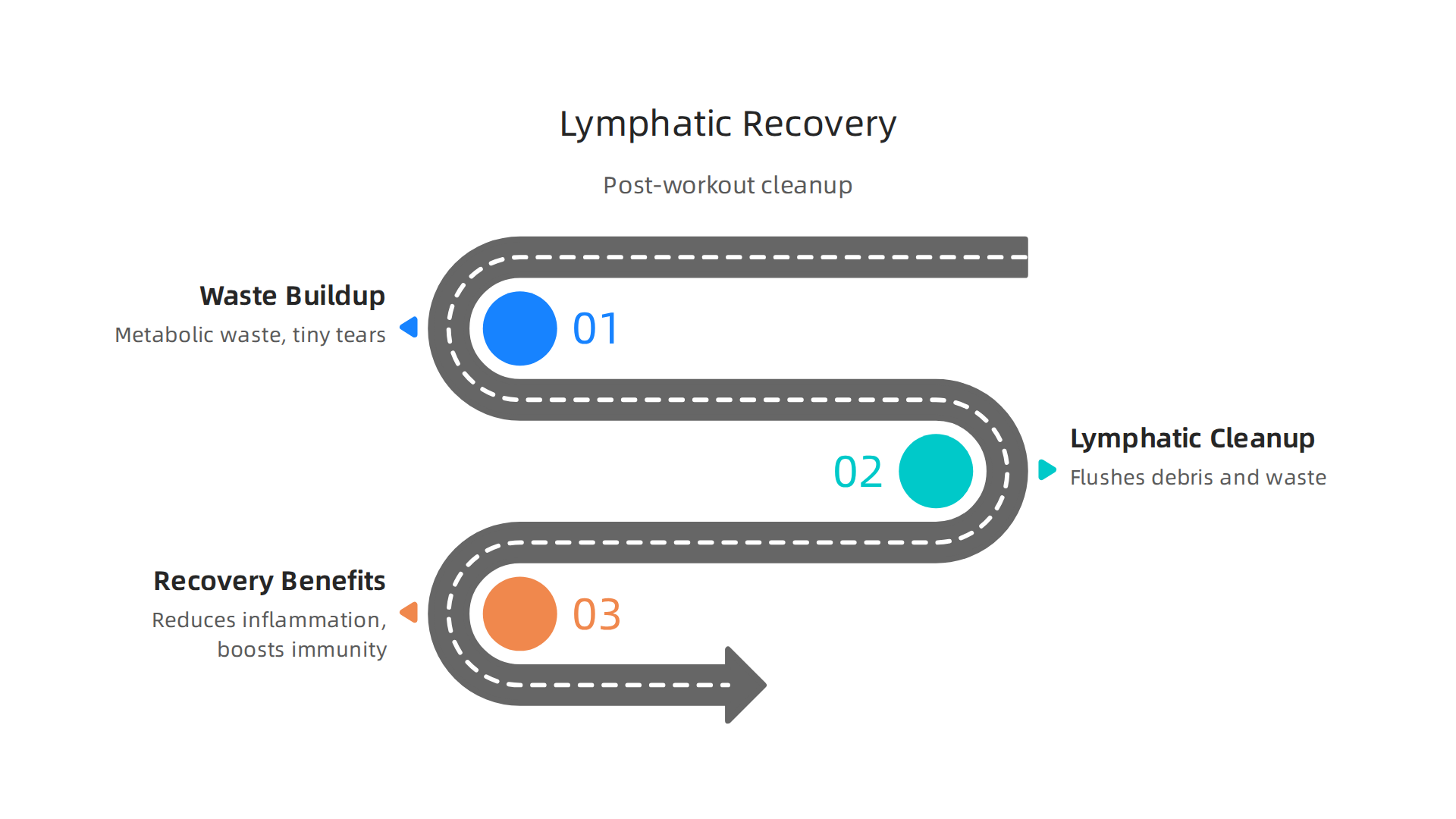
Research shows that manual lymph drainage after treadmill exercise helps muscle enzymes drop faster, which means your body cleans up more efficiently. Another study on MMA athletes found that lymphatic drainage techniques, whether done by hand or with special tools, improve muscle regeneration after intense training.
When your lymphatic flow is slow, that waste just sits there. This can lead to longer recovery times, more inflammation, and even a weaker immune response. Many fitness enthusiasts in 2026 understand how important it is to keep this system moving, but there is a lot of confusion out there. Countless products claim to "detox" your lymph without any real science behind them. It is easy to get lost in the hype.
That is why we put together this guide. We cut through the noise and curated the 8 best supplements for lymphatic drainage based on real, clinical research and expert input. Whether you are looking for the best anti inflammatory supplements, specific muscle supplements, or general workout supplements to support your recovery, this list is built for everyday athletes just like you. Your body works hard for you. It is time to help it recover smarter.
1. Bromelain: The Proteolytic Powerhouse for Lymphatic Flow
Now that you know how important a healthy lymphatic system is for your recovery, let’s talk about the first supplement that can make a real difference. Meet Bromelain.
This powerful blend of enzymes comes from pineapple stems. But do not let its fruity origin fool you. It is one of the most researched anti inflammatory supplements available today, and it belongs right at the top of any list of the best supplements for lymphatic drainage.
How Does Bromelain Help Your Lymph Drain?
Think back to what we said earlier about your lymphatic system being the cleanup crew. After a tough workout, your muscles are full of metabolic waste and extra fluid. Bromelain steps in to make the cleanup process much smoother.
First, it breaks down a protein called fibrin. Fibrin acts like a net that traps fluid in your tissues and makes swelling worse. By cutting through this net, Bromelain gives your lymph fluid a clear path to drain away.

Second, it reduces the inflammatory chemicals that cause that heavy, stiff feeling you hate. Clinical research backs this up. Studies show that supporting the body’s drainage pathways, whether through manual techniques or specific compounds, helps muscle enzymes drop faster and improves regeneration after intense training. Bromelain supports this exact process at the tissue level.
The result is less puffiness, less soreness, and a faster return to your training schedule. If you have ever felt that your legs are just "holding water" after a big workout, Bromelain is the supplement you want to try.
How to Add It to Your Routine
Not all muscle supplements are created equal. When you shop for Bromelain, look for a product that lists its enzyme activity in GDU (gelatin digesting units) or FIP units. This guarantees you are getting a potent, effective dose. Most people take between 200 mg and 500 mg on an empty stomach for the best results.
We have vetted specific products that meet these high standards. You can browse our recommended supplements through our trusted partners to find a high quality option that fits your stack.
Take control of your recovery starting with the right tools. Your lymphatic system will thank you.
2. Dandelion Root: Gentle Diuretic with Research Backing
Now that you understand how bromelain works on tissue inflammation, let us look at another natural helper. Dandelion root is one of the most popular anti inflammatory supplements in the natural health world. But does it really help with lymphatic drainage?
Here is the truth. Dandelion has been used for centuries as a gentle diuretic. That means it helps your body flush out extra water by making you pee more. And when you pee more, your lymphatic system gets a helping hand. Less fluid in your tissues means less work for your lymphatic cleanup crew.
What the Research Says
Scientists have actually studied this. A 2009 human study published in PubMed found that dandelion extract showed real promise as a diuretic. Participants who took the extract produced significantly more urine over a 24-hour period compared to those who did not take it.
Another review from Diet vs Disease notes that dandelion extract may have promising diuretic effects, including an increase in urine production.
But here is the honest take. The evidence is weaker than what we have for bromelain. The studies are small and older. We need more research to know exactly how well dandelion works for lymphatic drainage.
How It Helps Your Lymphatic System
When your kidneys flush out extra fluid, your lymphatic system has less fluid to move around. This can reduce that heavy, puffy feeling you get after a hard workout.

It can also help with overall water retention.
Many athletes add dandelion to their stack of muscle supplements for this exact reason. They want a natural way to feel lighter and less bloated.
One Important Warning
Dandelion can interact with other diuretics. The Memorial Sloan Kettering Cancer Center warns that animal and human studies suggest dandelion may have additive effects when taken with prescription diuretics. So if you already take medicine for blood pressure or water retention, talk to your doctor first.
How to Take It
You can find dandelion as a tea, tincture, or capsule. Most people take between 500 mg and 1000 mg of dried root or leaf extract per day. Start low and see how your body responds.
For a quality product that meets our standards, check our curated list of effective workout supplements. We have partnered with trusted brands so you can shop with confidence.
Dandelion root is a simple, low-risk addition to your recovery routine. It works best when you combine it with other strategies like bromelain and good hydration. Your body will feel lighter, less puffy, and ready for your next training session.
3. Butcher’s Broom (Ruscus aculeatus): Venotonic for Lymphatic Return
Now let’s talk about another herb that specifically targets vein health and lymphatic return: butcher’s broom. You might not have heard of it, but this plant has been used for centuries to help with swollen legs and poor circulation.
What Makes Butcher’s Broom Work
The active compounds in butcher’s broom are called ruscogenins. These natural chemicals help tighten or constrict your veins. When your veins are stronger and less stretched out, blood and lymph fluid move back toward your heart more easily.
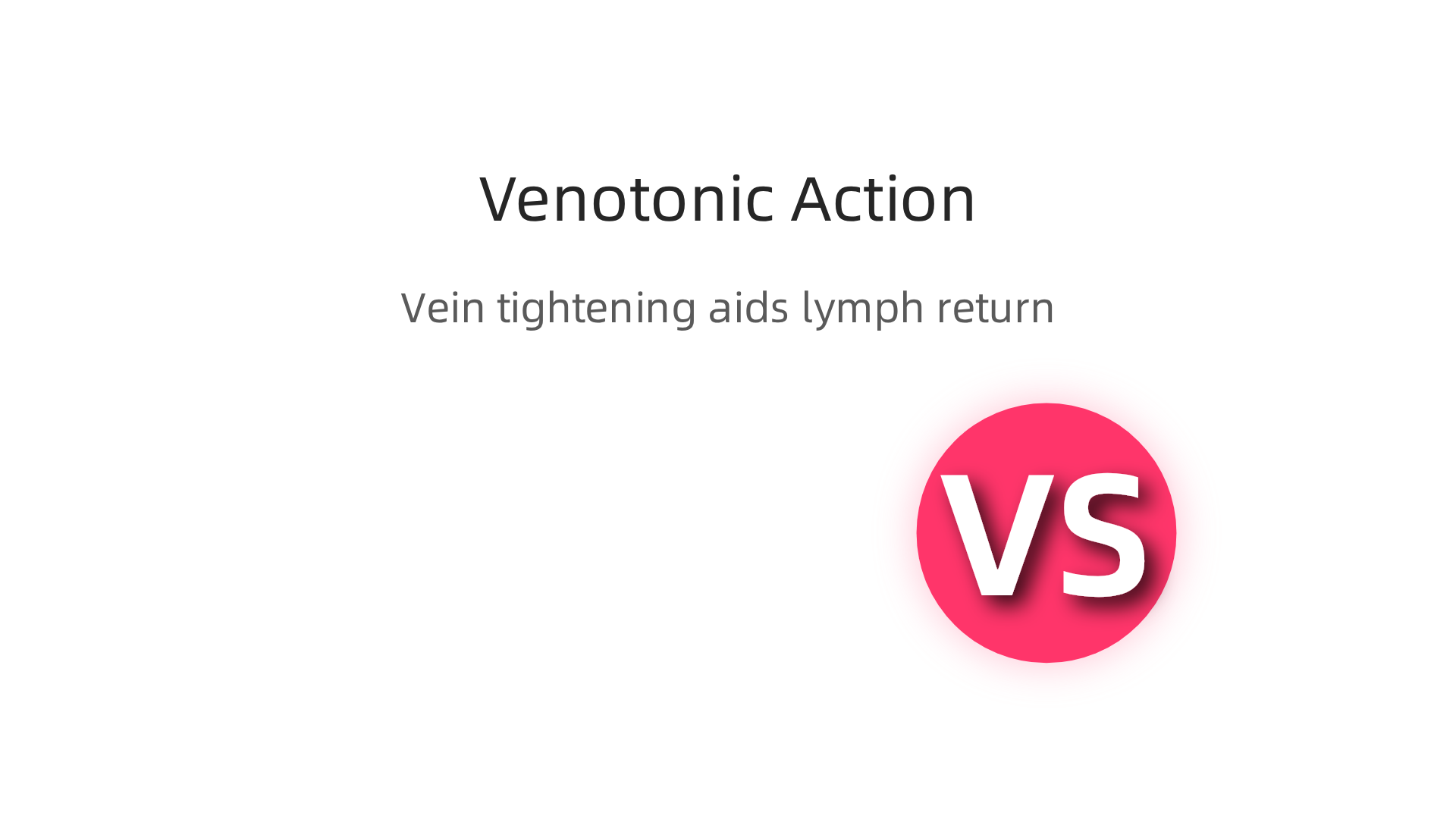
This is a big deal for your lymphatic system. Better vein tone means less fluid pooling in your lower legs and feet.
What the Research Says
Butcher’s broom is most often used for chronic venous insufficiency (CVI). That is a condition where your leg veins struggle to pump blood back up. Several studies show that butcher’s broom can reduce leg swelling and pain in people with CVI. The evidence is solid enough that many doctors recommend it alongside compression socks.
For everyday athletes, this same mechanism helps with post-workout leg swelling. After a hard leg day or long run, your veins and lymphatic vessels can get sluggish. Butcher’s broom gives them a gentle nudge.
Works Well with Other Flavonoids
Here is a bonus. Ruscogenins seem to work better when paired with other plant compounds like hesperidin or diosmin. You often find these together in vein-support supplements. This synergy means you get more benefit from a combination than from butcher’s broom alone.
If you want to try butcher’s broom, look for a standardized extract. Most supplements use 50 to 100 mg of ruscogenins per dose. You can find it in capsule form or as part of a vein health blend.
Butcher’s broom is one of the best supplements for lymphatic drainage specifically for lower body recovery. It targets the root cause of swelling by improving vein tone. That makes it different from dandelion, which works through diuresis.
For a quality product that fits your recovery routine, check out our recommended workout supplements. We have vetted options that combine butcher’s broom with other supportive ingredients.
4. Horse Chestnut Extract (Aesculus hippocastanum): Standardized for Aescin
Now let’s look at another plant that works in a similar way to butcher’s broom but uses a different active compound. Horse chestnut extract is one of the most studied herbs for vein health. If you deal with leg swelling or heavy feeling legs after workouts, this one deserves your attention.
What Makes Horse Chestnut Work
The magic in horse chestnut comes from a compound called aescin. Aescin helps reduce capillary permeability. In plain language, it stops fluid from leaking out of your small blood vessels into surrounding tissue. It also strengthens vein walls. When your veins are stronger, blood flows back to your heart more easily. Less pooling means less swelling.
This is why horse chestnut is one of the best supplements for lymphatic drainage for lower body recovery. It directly attacks the problem of fluid buildup by sealing the leaks.
Strong Science Behind It
Horse chestnut has solid research behind it. Multiple studies show it helps with chronic venous insufficiency (CVI). That is the same condition where butcher’s broom shines too. Many healthcare providers recommend standardized horse chestnut extract for reducing leg swelling, pain, and heaviness. The European Medicines Agency backs its use as well.
The Critical Safety Warning
Here is the thing you must know. Raw horse chestnut seeds are toxic. Do not eat them straight from the tree. They contain a compound called esculin that can cause serious harm. Side effects of raw seeds include stomach upset, vomiting, muscle twitching, and even coordination problems.
Stick with standardized extracts from reputable brands. These remove the toxic compounds while keeping the beneficial aescin.

Most supplements use 50 to 100 mg of aescin per dose.
Common side effects of the proper extract are mild and include nausea, dizziness, itching, and digestive upset. Always follow the dosage on the label.
For a trusted option, check out our recommended workout supplements. We have vetted products that include standardized horse chestnut extract alongside other vein-supporting ingredients. This is a safe way to get the benefits without the risks.
5. Grape Seed Extract: Polyphenols for Microcirculation
Let’s move from horse chestnut to another powerful plant ally. Grape seed extract is packed with compounds called proanthocyanidins. Think of these as tiny repair crews for your blood vessels. They help strengthen capillary walls and fight oxidative stress.
Oxidative stress is like rust inside your body. It damages cells and weakens your circulatory system over time. Grape seed extract’s polyphenols act as antioxidants. They neutralize that damage before it adds up. This is especially helpful for your lymphatic system because it keeps vessels flexible and less prone to leaking.
How Grape Seed Extract Supports Lymphatic Drainage
When capillaries are strong, fluid doesn’t escape as easily into surrounding tissue. Less fluid leakage means less swelling. That is exactly what you want when choosing the best supplements for lymphatic drainage.

Grape seed extract may also improve lymphatic vessel function directly. Lymphatic vessels have tiny gaps. Proanthocyanidins help tighten those gaps. The result is a smoother flow of lymph fluid from your legs back toward your core.
What the Research Says
Most of the science on grape seed extract focuses on chronic venous disease. That includes conditions like varicose veins and leg swelling. Studies show it can reduce pain, heaviness, and fluid buildup in these cases.
The evidence in athletes is still growing though. We need more human trials with active people who push their legs hard during training. That said, the anti-inflammatory properties of grape seed extract make it a smart addition for anyone dealing with post-exercise leg congestion.
How to Use It
Look for a standardized extract with 95% proanthocyanidins. Doses range from 100 to 300 mg daily. You can take it alone or as part of a broader stack with other vein-supporting herbs.
For a complete recovery approach, pair grape seed extract with other anti inflammatory supplements. Many quality muscle supplements already include grape seed extract in their formulas.
If you want a combined formula that supports circulation and reduces swelling, check out our recommended workout supplements. We have vetted options that blend multiple ingredients for better results.
6. Citrus Bioflavonoids (Diosmin, Hesperidin): Benchmarked for Lymphatic Drainage
Let’s shift from grape seed extract to another powerful plant compound found in citrus fruits. Diosmin and hesperidin are two bioflavonoids that have strong science behind them. In fact, they are some of the most researched ingredients for vein and lymphatic health.
Diosmin helps improve venous tone. That means your blood vessels stay firm and elastic. Hesperidin works alongside it to reduce inflammation and support lymphatic pressure. Together, they form a team that keeps fluid moving in the right direction.
The MPFF Standard
There is a special form of these compounds called micronized purified flavonoid fraction, or MPFF. It is a prescription product used in many countries for chronic venous disease.
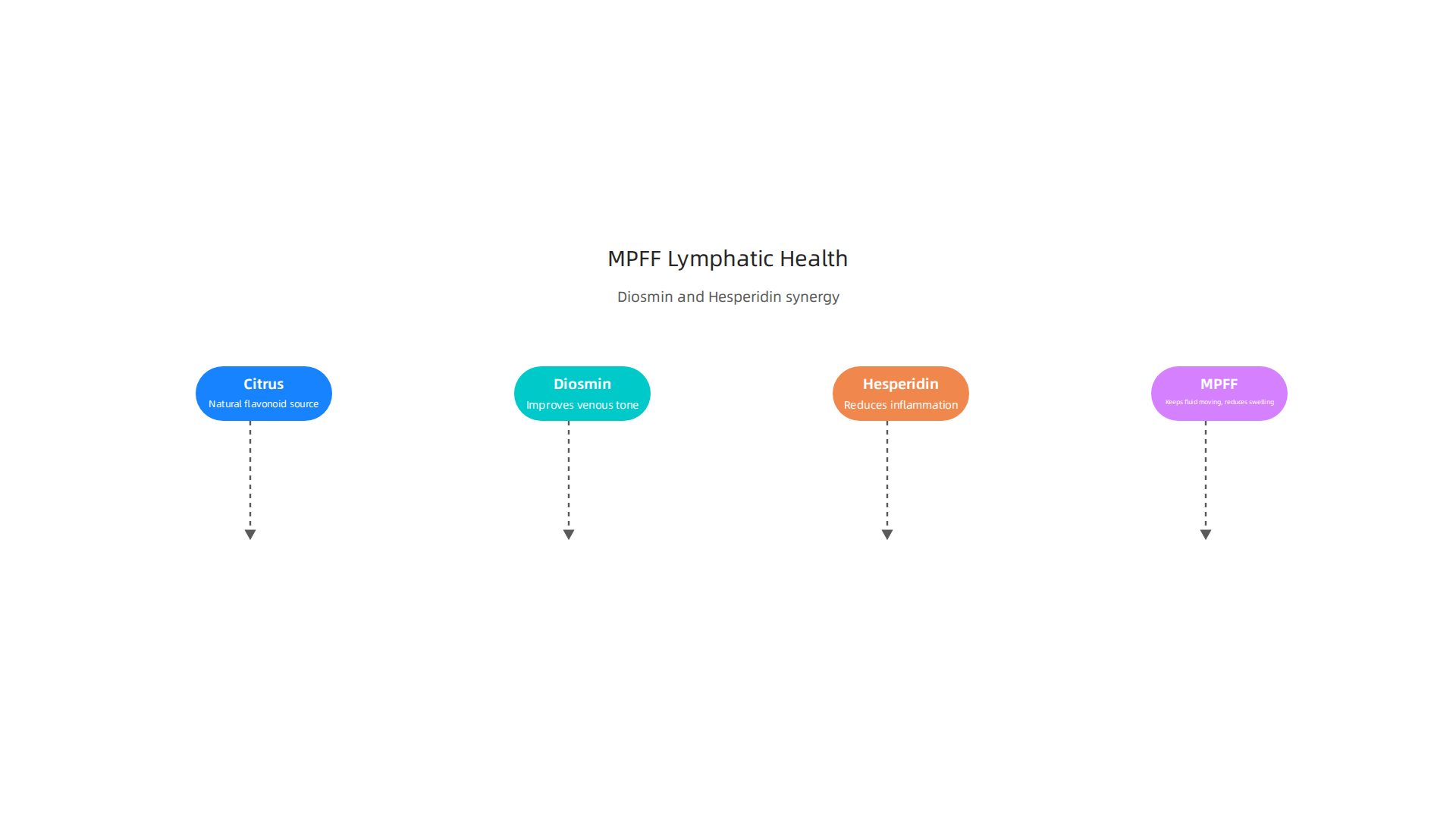
The micronization process makes the ingredients much easier for your body to absorb.
Studies show that MPFF can reduce leg swelling, pain, and heaviness. That is exactly what you want when looking for the best supplements for lymphatic drainage. In 2026, this area is getting more attention as clinically studied lymph system supplements show promise for improving fluid balance and reducing swelling.
How Athletes Benefit
If you push your legs during training, you have felt that heavy, full sensation after a tough workout. Diosmin and hesperidin help with that. They reduce fluid buildup in your legs and speed up recovery.
Many anti inflammatory supplements include these bioflavonoids because they tackle swelling at the source. You do not need a prescription to get them in supplement form. Look for a product that provides a standardized dose of diosmin and hesperidin together.
What to Look For
Check the label for at least 450 mg of diosmin and 50 mg of hesperidin per serving. That mirrors the ratios used in clinical research. Pair it with other vein-supporting herbs like horse chestnut or grape seed extract for a complete approach.
If you want a convenient way to get these ingredients along with other recovery support, check out our recommended workout supplements. We look for formulas that combine multiple evidence-based ingredients so you get more benefits in each dose.
7. Ginger Extract (Zingiber officinale): Anti-Inflammatory Support
Ever feel stiff and puffy after a tough leg day? That soreness is inflammation. When your body has too much inflammation, it can slow down your lymphatic system and cause fluid to stick around. Ginger has been used for centuries to calm swelling, and modern research backs it up.
Ginger works by blocking COX-2 enzymes. These are the same targets that some anti-inflammatory drugs hit. By reducing inflammation at the source, ginger can help your lymph nodes drain more freely. It does not directly pump fluid like some other ingredients, but it removes a major roadblock. Less inflammation means less fluid buildup.
Traditional medicine has used ginger for edema, or water retention, for a long time. Today, most clinical studies focus on osteoarthritis pain, not lymphatic drainage. But the anti-inflammatory effect is the same. If your legs feel heavy and achy, ginger can take the edge off.
Why Athletes Use It
Many people add ginger to their anti inflammatory supplements stack because it is safe and easy to find. You will often see it in recovery blends and muscle supplements. It pairs well with other ingredients like turmeric or citrus bioflavonoids.
What to Look For
When shopping for ginger supplements, quality matters. Look for products that are standardized to contain at least 5% gingerols, the active compounds. A typical dose is 500 to 1000 mg per day. To make sure you are getting a clean product, choose a brand that uses third-party testing.
We have more details in our guide to the best supplement brands for 2026, which highlights companies with strong quality standards.
One way to check a supplement’s purity is to look for certification from a trusted program like NSF International. That extra step gives you peace of mind that the label matches what is inside.
If you want a convenient ginger supplement that fits into your daily routine, consider a high-quality extract from a reputable source. Getting a trusted product can help you stay consistent with your recovery goals.
8. Lycopene: Carotenoid Antioxidant for Lymphatic Health
You know that feeling after a hard workout? Your muscles ache, and you feel a bit puffy. That is not just from inflammation. It is also from oxidative stress caused by free radicals. These unstable molecules can damage your cells, including the delicate walls of your lymphatic vessels. If your lymphatic system gets damaged, fluid can have a harder time draining.
That is where lycopene comes in. This is a powerful antioxidant found in tomatoes, watermelon, and pink grapefruit. Lycopene steps in to neutralize free radicals before they can harm your lymphatic vasculature.

Think of it as a protective shield for your lymph network.
How Lycopene Helps Recovery
Emerging research shows that lycopene can reduce post-exercise inflammation. One small study found that tomato juice (rich in lycopene) lowered inflammation markers after intense exercise. While lycopene is not traditionally marketed as one of the best supplements for lymphatic drainage, it is a promising addition for anyone serious about recovery.
The reason is simple. Less oxidative damage means less overall inflammation. And when your body is less inflamed, your lymphatic system can work better. Lycopene pairs nicely with other anti inflammatory supplements because it attacks a different part of the recovery process.
What to Look For
Lycopene supplements come in capsule or softgel form. The body absorbs lycopene better when it is taken with a little fat, like fish oil or with a meal. For athletes and everyday athletes, adding lycopene to your muscle supplements stack can give you an edge.
Quality matters a lot here. Many low-grade lycopene supplements are made from synthetic sources. You want a natural, food-derived lycopene with a standardized potency. To be sure you are getting a clean product, choose a brand that uses third-party testing. Look for certifications from programs like NSF International. This extra step guarantees the label matches what is inside.
If you want a convenient lycopene supplement that fits your daily recovery routine, check out top-rated options from trusted brands that prioritize third-party testing and ingredient quality.
Who Benefits Most
Lycopene is especially useful if you do high-intensity or endurance training. Runners, cyclists, and CrossFit athletes all produce lots of oxidative stress. Adding lycopene as a workout supplement can help your body recover faster and keep your lymph moving freely. Even if you are not an elite athlete, using lycopene daily can support your long-term health.
For more details on finding high-quality supplements, read our guide to the best supplement brands for 2026, which breaks down which companies pass strict third-party testing.
How to Choose Your Lymphatic Support Supplement: Expert Recommendations
We have covered several powerful options like lycopene, but the reality is that not every supplement works the same for everyone. The best supplements for lymphatic drainage start with two things: solid science and your specific needs.
Start with Evidence-Backed Ingredients
If you are dealing with mild swelling or post-workout puffiness, look for ingredients like bromelain (an enzyme from pineapple) or diosmin (a flavonoid often used for vein health). Both have been studied for their ability to support fluid balance and reduce inflammation. A 2025 review in Nutraceutical Business Review highlighted that several clinically studied lymph system supplements show real promise for improving fluid balance and reducing swelling. That is the kind of research you want behind your choice.
Choose Third-Party Tested Products
In 2026, supplement quality matters more than ever. A clean product starts with a manufacturer that follows FDA cGMP standards. Third-party certification from programs like NSF International or USP gives you confidence that what is on the label matches what is in the bottle. The supplement industry is shifting toward stricter manufacturing practices, and you should only buy from brands that invest in these checks.
Do Not Skip the Lifestyle Piece
Supplements work best when paired with daily habits. Hydration, light exercise, and compression garments all help your lymphatic system move fluid naturally. A 2026 guide from Airos Medical points out that simple daily actions like staying hydrated and staying active make a real difference. Think of supplements as an extra boost, not a replacement for healthy habits.
Final Advice: Talk to a Pro
Always check with a healthcare professional before adding a new supplement. They can help you decide if bromelain or diosmin fits your situation and tell you the right dose.
If you want a shortcut to quality, you can browse top-rated lymphatic support supplements from trusted brands that undergo third-party testing and use evidence-based ingredients.
Summary
This article explains why lymphatic drainage matters for people who train hard and details eight evidence-backed supplements that can speed recovery and reduce post-workout swelling. It defines how the lymphatic system clears metabolic waste and why sluggish flow leads to puffiness, inflammation, and slower muscle regeneration. The piece reviews specific options—bromelain, dandelion root, butcher’s broom, horse chestnut, grape seed extract, diosmin/hesperidin, ginger, and lycopene—covering how each works, typical doses, and safety notes. You’ll learn which ingredients target inflammation, vein tone, diuresis, or oxidative stress and when combinations make sense. The article stresses choosing third-party tested products, following clinical dose ranges, and pairing supplements with hydration, light activity, and compression when appropriate. It also flags important warnings (drug interactions and toxic raw herbs) and recommends consulting a healthcare professional before starting new supplements. After reading, you’ll know which supplements might help your specific recovery needs and how to pick quality products that fit your routine.


Get practical training, recovery, and nutrition insights in your inbox