
Why Water Soluble Vitamins Drive Peak Fitness and Recovery


Why water-soluble vitamins matter for fitness-focused people
If you’re serious about your fitness journey, you know that what you put into your body matters.

Vitamins are tiny helpers that do big jobs to keep your body working its best. Among these, water soluble vitamins play a super important role for anyone who exercises regularly, from gym-goers to everyday athletes.
So, what exactly are water-soluble vitamins? Think of them like a sugar cube in water. They dissolve easily in water. This means your body can use them right away, but it also means your body doesn’t store a lot of them. Instead, any extra water-soluble vitamins you take in will usually leave your body when you pee. The main water-soluble vitamins are Vitamin C and all the B vitamins, like vitamin B2 supplement and vitamin B12 supplements for example.
This is a big difference from fat soluble vitamins, such as Vitamins A, D, E, and K. Fat-soluble vitamins need fat to be absorbed into your body and can be stored in your liver and fatty tissues for a longer time. Because water-soluble vitamins aren’t stored, you need to get them regularly through your diet or from supplements to keep your body topped up and running well. Eating a balanced diet full of fruits, vegetables, and whole grains is a great way to get many of these essential nutrients Vitamins and Minerals – The Nutrition Source.
For fitness-focused people, water-soluble vitamins are especially crucial. They are involved in many key body functions that directly impact your workouts and recovery:
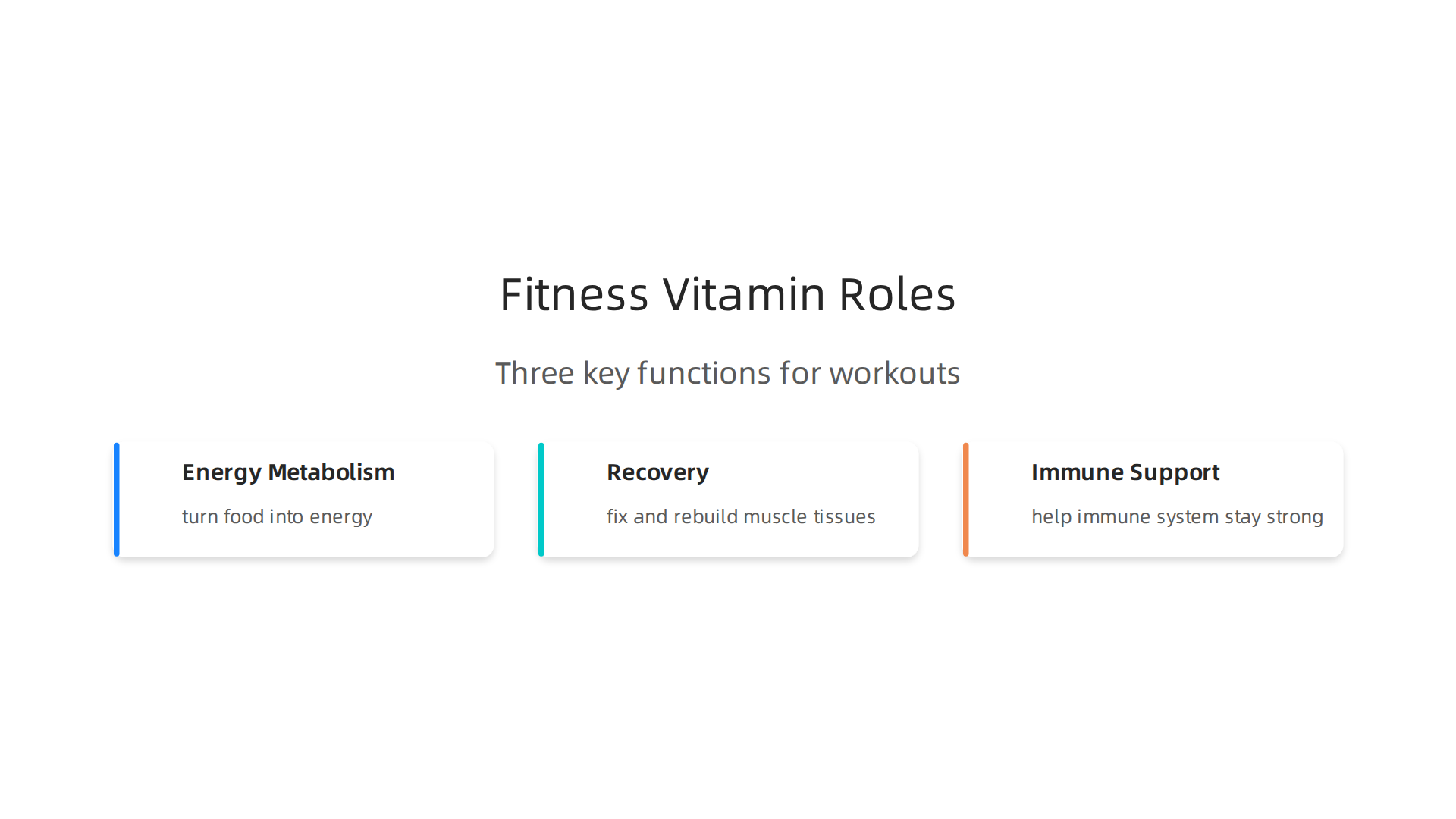
- Energy Metabolism: Many B vitamins are like tiny spark plugs that help turn the food you eat into the energy your muscles need to move. Without enough B vitamins, you might feel tired and your workouts could suffer. This is why a good vitamin B complex supplement can be really helpful.
- Recovery: After a tough workout, your body needs to fix and rebuild muscle tissues. Vitamins like Vitamin C help with this process. They also act as defenders, protecting your cells from damage that can happen during hard exercise.
- Immune Support: Being active is great, but intense training can sometimes put stress on your immune system. Vitamin C, for instance, is well-known for helping your immune system stay strong, which means you’re less likely to get sick and miss out on training days.
Understanding how water soluble vitamins work can help you make smarter choices for your nutrition and overall fitness. For example, learning about specific B vitamins like how a vitamin B2 supplement can boost athletic performance and recovery can be a game-changer for your energy and muscle function.
As we talked about, because water-soluble vitamins don’t hang around in your body for long, you need to get them often. This is a key difference from fat soluble vitamins, which your body can save up. So, let’s take a closer look at what these special water soluble vitamins are and what important jobs they do.
Water-soluble vitamins are a group of eight B vitamins and Vitamin C. That’s it!
The B Vitamins
The B vitamins are like a team of tiny workers, and each one has a specific job. They often work together to help your body use energy from the food you eat. Think of them as helping your body get fuel from your food so you can move, think, and play. These vitamins are super important for turning carbs, fats, and proteins into the energy your muscles need. They also help your nervous system work right Clinical Impact of Macronutrients and Micronutrients.
The B vitamin family includes:

- Vitamin B1 (Thiamine): Helps your body change food into energy.
- Vitamin B2 (Riboflavin): Important for energy and for keeping cells healthy. If you’re looking for more info, you might want to read about how a vitamin B2 supplement can boost athletic performance and recovery.
- Vitamin B3 (Niacin): Helps your body make energy and keeps your skin, nerves, and digestion working well.
- Vitamin B5 (Pantothenic Acid): Also helps turn food into energy and is used to make red blood cells and hormones.
- Vitamin B6 (Pyridoxine): Helps your body make red blood cells and affects mood and sleep patterns.
- Vitamin B7 (Biotin): Helps your body use fats, carbs, and proteins. It’s often talked about for healthy hair, skin, and nails.
- Vitamin B9 (Folate or Folic Acid): Crucial for making new cells and for healthy growth.
- Vitamin B12 (Cobalamin): Very important for nerve health, making red blood cells, and creating DNA. If you’re thinking about adding a vitamin B12 supplement to your routine, it’s good to know more about choosing the best B12 supplement forms, doses, and quality.
Often, people take a vitamin B complex supplement which contains all or most of these B vitamins together, to make sure they get a good balance.
Vitamin C
Vitamin C is another superstar water soluble vitamin. It’s famous for helping your immune system, which is your body’s defense against sickness. But it does much more! Vitamin C is also key for making collagen, a protein that helps heal wounds and keeps your skin, bones, and blood vessels strong. It also acts as an antioxidant, meaning it helps protect your cells from damage. Learning about The Ordinary Vitamin C for fitness enthusiasts: how to pick the best formula for recovery can help you choose the right one for your needs.
How Your Body Handles Water-Soluble Vitamins
Since these vitamins dissolve in water, they can move through your body easily. When you eat foods or take supplements with water soluble vitamins, your body takes what it needs right away. This absorption mostly happens in your gut Intestinal absorption of water-soluble vitamins in health and disease. The rest, any amount your body doesn’t need or can’t use right then, is simply washed out when you go to the bathroom. This means your body has a hard time storing them. Because of this, it’s really important to keep getting them from your diet every day. You can’t "stock up" on them like you can with fat soluble vitamins.
Since your body doesn’t store water soluble vitamins for long, getting them from your food every day is super important. Let’s look at each one to see what it does and where you can find it.
The B Vitamins and Their Food Friends
Each B vitamin plays a part in keeping you energized and healthy. Here’s where to find them:
- Vitamin B1 (Thiamine): This vitamin helps change food into energy. You can get it from whole grains like oats and brown rice, pork, fish, nuts, and beans. For athletes, making whole grain bread or oatmeal part of breakfast is an easy win.
- Vitamin B2 (Riboflavin): Important for energy and keeping cells healthy. Find it in milk, cheese, yogurt, leafy green vegetables, and some enriched cereals. A morning smoothie with yogurt and spinach is a great way to boost your B2.
- Vitamin B3 (Niacin): Helps your body make energy and keeps your skin, nerves, and digestion happy. Good sources include chicken, turkey, fish, peanuts, mushrooms, and avocados. Grilling some chicken or fish for dinner can easily cover your B3 needs.
- Vitamin B5 (Pantothenic Acid): Also helps turn food into energy and makes red blood cells and hormones. It’s in almost all plant and animal foods, like meat, vegetables, whole grains, and legumes. You’re probably getting enough of this if you eat a varied diet.
- Vitamin B6 (Pyridoxine): Helps make red blood cells and affects your mood and sleep. You can find it in chicken, turkey, salmon, bananas, potatoes, and chickpeas. A banana as a snack or some salmon for dinner are good choices.
- Vitamin B7 (Biotin): Helps your body use fats, carbs, and proteins. Eggs, nuts, seeds, and sweet potatoes are good sources. Eating eggs for breakfast is a simple way to get biotin.
- Vitamin B9 (Folate or Folic Acid): Crucial for making new cells and for healthy growth. Found in leafy green vegetables like spinach and kale, asparagus, broccoli, citrus fruits, and beans. A big salad or a side of steamed asparagus adds folate to your meal.
- Vitamin B12 (Cobalamin): Very important for nerve health, making red blood cells, and creating DNA. This one is mostly found in animal products like meat, fish, eggs, and dairy. If you’re vegetarian or vegan, you might need a vitamin B12 supplement or fortified foods, as plant foods typically do not contain it. The way your body takes in vitamins from your food can vary, but generally, diet plays a huge role in getting enough Vitamin bioavailability, diet and prandial status.
Vitamin C and Its Immune-Boosting Foods
Vitamin C is a famous water soluble vitamin for helping your immune system, which is your body’s defense against sickness. It’s also key for making collagen, which helps heal wounds and keeps your skin, bones, and blood vessels strong.
- Common Food Sources: Citrus fruits (oranges, grapefruits), berries (strawberries, blueberries), bell peppers, tomatoes, and broccoli.
- Easy Strategies: A glass of orange juice, a handful of berries in your oatmeal, or some sliced bell peppers with hummus are great ways to get your daily dose. For athletes looking to speed up their recovery and stay healthy, learning about vitamin C rose hips help active people recover faster and stay healthy can be very helpful.
Making sure you eat a colorful variety of fruits, vegetables, whole grains, and lean proteins every day will help you get plenty of these important water soluble vitamins.

If you’re an everyday athlete, you might sometimes wonder if you’re getting enough, or if a vitamin B complex supplement could help. Comparing vitamin products and brands can be done by using a reliable resource for Vitamins & Supplements.
Now that you know what water soluble vitamins are and where to find them, let’s dive into how your body actually gets them from food and uses them. It’s a pretty neat process that happens mainly in your gut.
When you eat foods rich in water soluble vitamins, they don’t just magically appear in your body. First, they go through a special process called absorption in your small intestine.
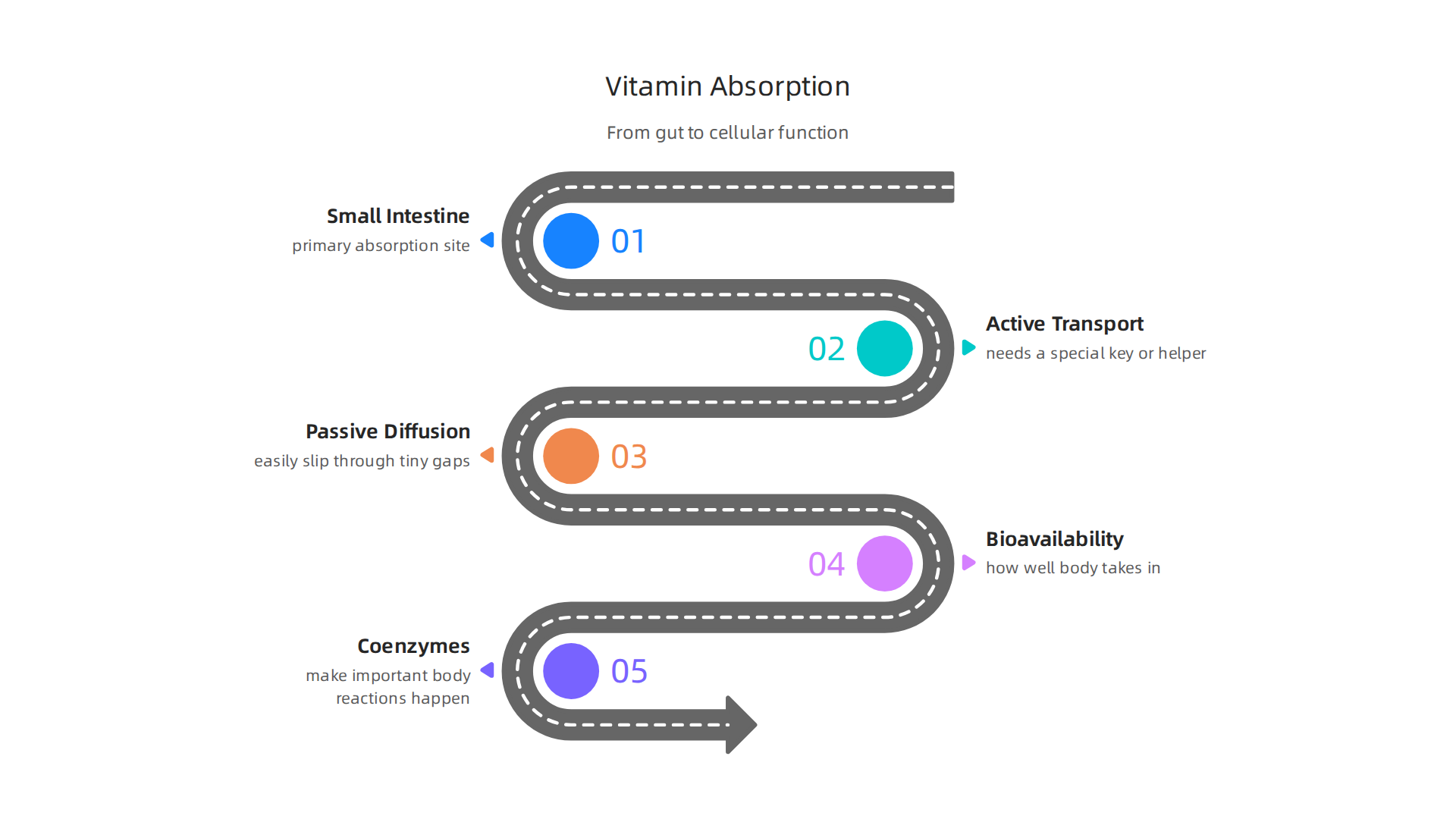
Think of your small intestine as having tiny doors. Some water soluble vitamins, like most of the B vitamins, need a special key or helper to open these doors and get inside. This is called "active transport." It means your body uses energy to bring them in. Other water soluble vitamins, especially when there’s a lot of them, can just easily slip through the tiny gaps without needing a special key. This is called "passive diffusion." Vitamin C can actually use both ways to get into your body, depending on how much you take in Intestinal absorption of water-soluble vitamins in health and disease.
How well your body takes in and uses these vitamins is called "bioavailability." Eating your vitamins with meals often helps. The food acts like a buffer and can help slow down the process, giving your body more time to absorb them. Also, some foods can help each other. For example, some vitamins work better together. On the flip side, things like too much alcohol or certain medications can make it harder for your body to absorb these important nutrients. This can sometimes affect how much of a vitamin B complex supplement or a specific vitamin B2 supplement your body can truly use.
Once these water soluble vitamins are absorbed, they get right to work. They often act as "coenzymes," which are like little helpers that make important body reactions happen, especially turning food into energy Clinical Impact of Macronutrients and Micronutrients. Remember, unlike fat soluble vitamins (like vitamins A, D, E, and K), your body doesn’t store water soluble vitamins. This is why you need to get them regularly through your diet.
Sometimes, even with a good diet, your body might struggle to get enough of certain water soluble vitamins. For example, people who don’t eat animal products might need vitamin B12 supplements because plant foods usually don’t have them. If you’re thinking about adding any type of supplement, understanding how to choose wisely is key for your health and performance. You can find out more about choosing the best B12 supplement forms, doses, and quality to help you make an informed decision.
After understanding how your body absorbs water soluble vitamins, let’s look at why they’re so important for staying active and healthy, especially for athletes and people serious about their fitness.

Many folks wonder if taking extra vitamins will make them perform better, recover faster, or get sick less often. Research in 2026 gives us some clear answers on this.
For those who train hard, water soluble vitamins play a big part in many body processes. B vitamins, for instance, are key for turning the food you eat into energy. This energy is what fuels your workouts and helps your muscles work well. If you don’t get enough B vitamins, you might feel tired and your performance could suffer. Overall, vitamin supplementation in sports is a critical area, and some vitamins are more helpful than others Vitamin Supplementation in Sports: A Decade of Evidence-Based ….
Performance and Recovery
Let’s consider specific water soluble vitamins.
- B Vitamins: The B
vitamin B complex supplementhelps with energy production. Riboflavin, also known as vitamin B2, is vital for keeping your energy levels up during exercise. It helps your body change food into usable energy. If you’re an active person, making sure you get enough B2 is important for both your athletic performance and how quickly you recover afterward. You can learn more about how a vitamin B2 supplement can boost athletic performance and recovery. - Vitamin C: This vitamin is a powerful helper for your body’s immune system. It also acts as an antioxidant. When you exercise intensely, your body can create things called "oxidative stress" and cause tiny bits of muscle damage. Vitamin C, along with vitamin E (a
fat soluble vitamin), can help reduce this stress and damage, aiding your recovery Vitamin Supplementation in Sports: A Decade of Evidence-Based …. This means it might help you feel less sore and get back to training sooner. For active individuals, taking enough Vitamin C can definitely help with faster recovery and staying healthy. Check out how Vitamin C rose hips help active people recover faster and stay healthy.
When Supplements Truly Help
Here’s an important point: water soluble vitamins often show the most benefits when you’re not getting enough of them from your diet. If you have a deficiency, taking a supplement can greatly improve your performance, recovery, and overall health. For example, if you don’t eat meat, you might need vitamin B12 supplements because B12 is mostly found in animal products.
However, if your diet already provides all the water soluble vitamins you need, taking extra amounts usually doesn’t give you a bigger boost. Your body is pretty good at using what it needs and getting rid of the rest. In some cases, taking very large amounts of certain vitamins, even water soluble vitamins that are usually considered safe, can sometimes lead to issues. It’s always best to aim for a balanced diet first. Supplements are there to fill gaps, not to replace healthy eating.
When thinking about taking water soluble vitamins or any other supplements, it’s really important to know when they actually help and when they might not be needed. We learned that supplements are best for filling gaps, not replacing healthy eating. Let’s dig a bit deeper into making smart choices.
When Supplements Really Make Sense
For most people, a balanced diet gives you all the water soluble vitamins you need. But sometimes, supplements are a great idea:
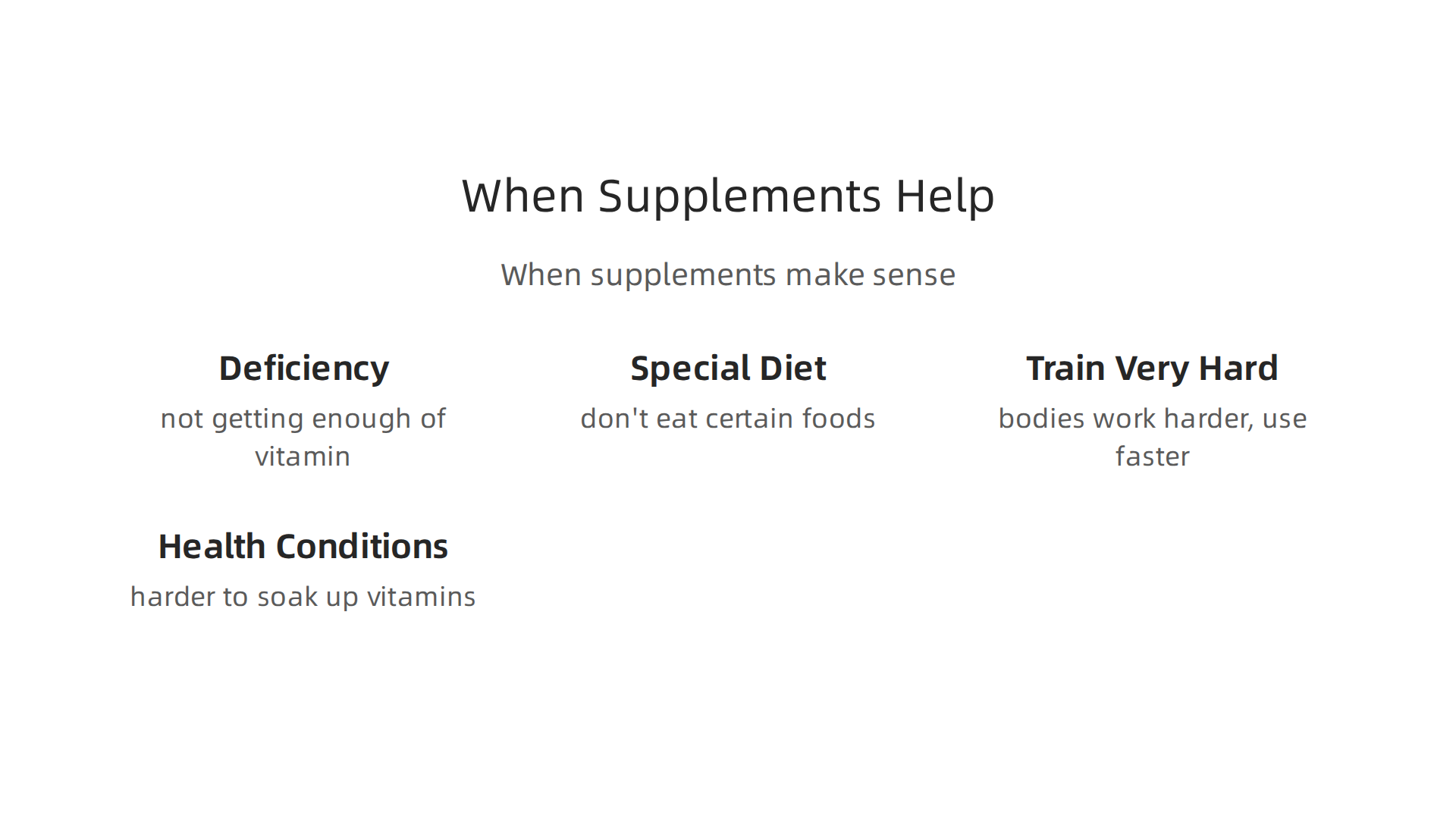
- You Have a Deficiency: If a doctor or dietitian finds out you’re not getting enough of a certain vitamin, a supplement can fix that. For example, some people lack enough vitamin D or iron.
- You Follow a Special Diet: If you don’t eat certain foods, like meat, you might miss out on vitamins only found in those foods. A good example is
vitamin B12 supplementsfor people who eat a plant-based diet, because B12 is mostly in animal products. - You Train Very Hard: Athletes sometimes need more of certain water soluble vitamins like B vitamins to help turn food into energy. This is because their bodies work harder and use up these vitamins faster.
- You Have Certain Health Conditions: Some health issues or medicines can make it harder for your body to soak up vitamins, making supplements useful.
Taking extra vitamins when you don’t need them usually just means your body gets rid of them. Your body is smart, and for water soluble vitamins, it often just pees out what it doesn’t use Vitamins and Minerals – The Nutrition Source. Also, taking too much of some vitamins, even those that seem safe, can cause problems. For example, very high doses of vitamin C can upset your stomach Vitamin C – Mayo Clinic. Sometimes, different supplements can even stop each other from working right or react badly with medicines you take What Vitamins Shouldn’t Be Taken Together? | Nature Made®.
How to Pick Good Supplements
If you decide a supplement is right for you, knowing how to choose a good one is key. Here’s what to look for:
- Read the Label: Always check the "Supplement Facts" panel. It tells you what’s inside and how much.
- Look for Third-Party Testing: This is super important. Because the FDA treats supplements differently than medicines, it’s good to find brands that have been checked by outside groups. Look for seals from places like USP, NSF, or Informed-Sport. These seals mean someone else has checked that what’s on the label is actually in the bottle, and that it’s clean and safe. This helps you trust what you’re buying Dietary Supplements – FDA.
- Check Potency and Purity: Make sure the amount of the vitamin is what you need. Also, check that it doesn’t have extra stuff you don’t want, like artificial colors or fillers.
- Consider the Form: Some vitamins come in different forms. For example, folate (a B vitamin) can be found as folic acid or as methylated folate. For some people, the methylated form is easier for their body to use. When choosing a
vitamin B complex supplementor specificvitamin B12 supplements, it’s worth learning which form is best for you.
Making smart choices about supplements means doing a little homework. If you’re looking for quality water soluble vitamins or other products, you can find a wide range of options when you Browse Vitamin Supplements.
Always talk to your doctor or a dietitian before starting any new supplement. They can help you figure out what’s truly best for your body and your goals.

To learn more about picking good products, check out our guide on how to Pick Safe Effective Products at Any Vitamin Supplement Shop.
For athletes, getting the right amount of water soluble vitamins isn’t just about avoiding a shortage. It’s also about helping the body perform its best and recover well. How much you take and when can make a real difference.
Smart Dosing and Timing for Athletes
Most people get enough vitamins from food. But if you’re an athlete, your body works harder and uses up nutrients faster. This means your needs for certain water soluble vitamins, like B vitamins, might be higher.
- Daily Needs vs. Extra Help: For everyday health, you aim for what’s called the Recommended Daily Allowance (RDA). This is the amount most healthy people need to stay healthy. But sometimes, athletes might use supplements to get more than the RDA for specific benefits, like better energy or recovery. This is sometimes called "therapeutic dosing," but it should always be guided by a health professional.
- Not Stored in the Body: Remember,
water soluble vitaminsdon’t stay in your body for long. Your body uses what it needs and then gets rid of the rest. This is different fromfat soluble vitamins(like vitamins A, D, E, and K), which can be stored. Because of this, it’s often better for athletes to takewater soluble vitaminsregularly throughout the day, maybe with meals, instead of one huge dose. This helps keep a steady supply. - Timing Around Workouts: For some vitamins, timing might matter a little. For example, taking a
vitamin b complex supplementcan help turn food into energy. Some athletes might take it before or after a workout. Avitamin b2 supplementis especially important for energy use in the body. If you’re looking for extra energy and recovery support, you can also learn more about how a vitamin b2 supplement can boost athletic performance and recovery. However, for manywater soluble vitamins, consistency every day is more important than exact timing around training sessions.
When thinking about vitamin B12 supplements or a vitamin b complex supplement, it’s helpful to know about the different forms and how much to take. For more in-depth knowledge, you can read about Choosing the Best B12 Supplement: Forms, Doses, and Quality.
Watch Out for Interactions and High Doses
Even good things can cause problems if you take too much, or if they mix badly with other things. This is very true for supplements.
- Medicine Interactions: One of the biggest concerns is how supplements might react with any medicines you are taking. For example, some vitamins can change how certain blood thinners work, making them too strong or too weak. Always tell your doctor about all the supplements you take, not just your medicines. This helps keep you safe. Doctors want patients to know how serious this can be, according to What doctors want patients to know about vitamins and supplements.
- Other Nutrient Interactions: Sometimes, taking a lot of one vitamin or mineral can affect how your body uses another. For example, too much zinc can make it harder for your body to absorb copper. These kinds of interactions are why a balanced approach is key.
- High-Dose Cautions: While
water soluble vitaminsare generally safer in higher doses thanfat soluble vitaminsbecause your body gets rid of the extra, taking too much can still lead to problems. For instance, too much vitamin C can cause stomach upset, and very high doses of certain B vitamins might lead to nerve issues over time. Taking too many supplements that you don’t need can actually cause problems, not help them, as explained in Multivitamins: Benefits, Risks, and How to Use Them Wisely. Even though regulations exist, the safety of dietary ingredients is always being looked at, as discussed in Safety Considerations for Dietary Supplements.
The bottom line for athletes and everyone else is to be smart and careful with supplements. Always talk to a doctor, dietitian, or pharmacist before starting new supplements, especially if you’re taking medications or have health concerns. They can help you figure out what’s safe and truly helpful for your specific needs. Knowing how vitamins are used by the body, also known as pharmacokinetics, is important for choosing the right dosage form and frequency, as detailed in a Pharmacokinetics of vitamin dosage forms: A complete overview report.
Summary
This article explains what water‑soluble vitamins are, why they matter for people who train regularly, and how they differ from fat‑soluble vitamins. It covers the full group—eight B vitamins plus vitamin C—describing their key roles in energy metabolism, muscle recovery, immune support, and cell protection. You’ll learn common food sources for each vitamin, absorption basics, and why daily intake matters because these vitamins aren’t stored long in the body. The piece also explains when supplements are useful (deficiency, restrictive diets, heavy training), practical dosing and timing for athletes, and how to choose safe, third‑party tested products. Finally, it warns about interactions, high‑dose risks, and the importance of consulting a clinician before starting supplements so you can safely fill nutritional gaps without harming performance or health.





Get practical training, recovery, and nutrition insights in your inbox