
Beetroot Supplement Guide for Athletes Based on the Latest Science

Introduction
Every athlete looks for an edge. Something safe, natural, and proven.

That is why the beetroot supplement has become such a game-changer. It is not just another health trend. The science is real. A 2025 study found that taking beetroot juice properly can boost muscular strength and aerobic power in professional athletes. Other research confirms that dietary nitrate from beets helps with endurance and oxygen efficiency.
But here is the problem. Walk into any store or search online. You will see hundreds of options for a beetroot supplement. How do you know which one actually works? You need to understand the science. Otherwise, you are just guessing. And guessing usually means throwing money away.
This guide is different. We have looked at the peer-reviewed research. We broke it down into simple, practical advice. We will help you spot a high quality supplement from the ones that are all hype. We will also help you find the best deals so you do not waste a single dollar. Ready to start smarter? Check out our top recommendations for trusted products.
The Science Behind Beetroot: How Nitric Oxide Powers Performance
You might wonder why a simple vegetable gets so much attention from scientists and pro athletes. Here is the thing. Beetroots are packed with dietary nitrates. These nitrates are not very active on their own. But once you eat them or drink them as juice, your body works its magic. It turns those nitrates into nitric oxide (NO).
Think of NO as a tiny signal. It tells your blood vessels to relax and open up. This is called vasodilation. When your blood vessels get wider, more oxygen-rich blood flows to your muscles. Your heart does not have to pump as hard. Your muscles get the fuel they need faster and work more efficiently.
This is where the real performance boost comes from. Multiple studies back this up. A 2025 study found that taking a beetroot supplement the right way improved muscular strength and aerobic power in professional athletes. Another detailed review in 2024 showed that beetroot juice consistently helps with endurance and oxygen efficiency. The evidence is strong. Dietary nitrate clearly benefits how your body performs during exercise.
What does this mean for you? It means better stamina. You can run longer, lift harder, and recover faster between sets. Many athletes see real gains in how long they can push themselves. If you want to experience these benefits yourself, choosing the right source is key. You need a pure and potent option. Check out our carefully vetted recommendations for high quality supplements to find a trusted product that fits your routine.
Top Evidence-Based Benefits for Your Goals
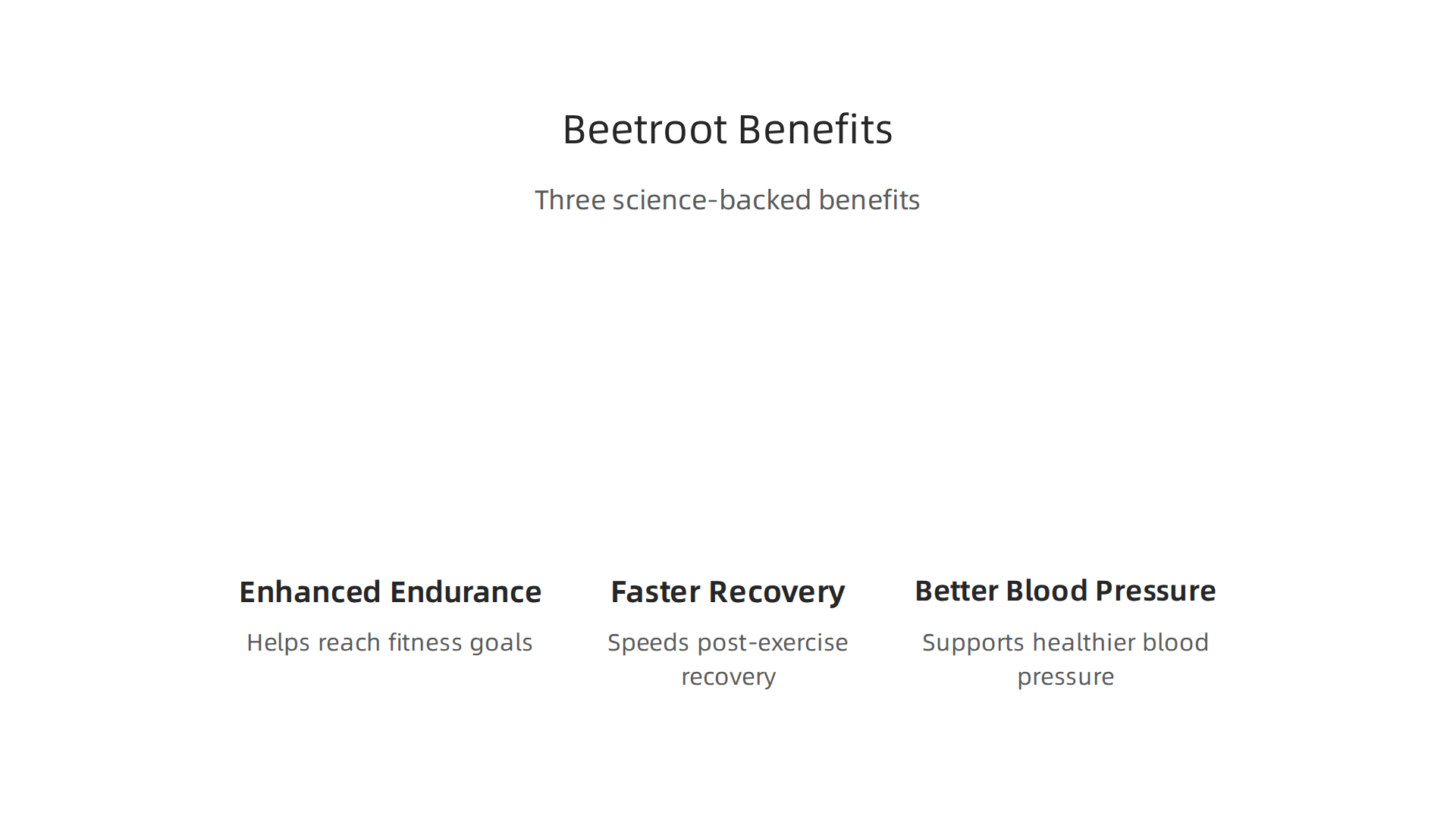
Now that you know how beetroot works inside your body, let us look at what that actually means for you. The science translates into three big benefits that can help you reach your fitness goals faster.
1. Improved Endurance and Time-to-Exhaustion
This is the main reason athletes turn to beetroot. It helps you keep going longer before you feel tired.

Whether you are cycling up a steep hill, running a 5K, or pushing through a tough rowing session, beetroot gives you an edge.
A 2025 study found that athletes who used beetroot juice the right way improved both their muscular strength and aerobic power. Another detailed review in 2022 looked at all the research on dietary nitrate and endurance. The conclusion was clear. Beetroot helps you perform better in endurance sports.
Your body uses oxygen more efficiently. Your muscles get fuel longer. That extra minute or two of hard effort can make a real difference in your training and your races.
2. Faster Recovery with Less Muscle Soreness
Nobody likes being sore for days after a hard workout. Beetroot can help with that too. The nitric oxide boost improves blood flow to your muscles. This means more oxygen and nutrients get delivered to help repair damage. It also helps flush out waste products like lactate that cause that burning feeling.
A 2025 study on healthy aging showed that beetroot nitrates improved recovery and reduced muscle soreness after exercise. This is huge for anyone who trains regularly. You recover faster. You can hit the gym again sooner. Your progress does not stall because you are too sore to move.
3. Better Blood Pressure and Heart Health
Here is a bonus benefit that goes beyond performance. The same vasodilation that helps your workouts also helps your heart. When your blood vessels relax and open up, your blood pressure naturally drops.
This is especially useful if you sit at a desk all day or if you have concerns about cardiovascular health. Many people look for basic supplements to support heart function. A beetroot supplement gives you double duty. It helps your workouts and your heart at the same time.
Putting It All Together
These three benefits make beetroot a smart addition to any fitness plan. You get better endurance, faster recovery, and improved heart health all from one simple source. The key is choosing a product that delivers real results without fillers or cheap additives.
If you want to experience these benefits yourself, you need a trusted source. That is why we recommend looking into high quality supplements that have been vetted for purity and potency. A good beetroot supplement can fit right into your daily routine alongside other muscle supplements for a complete approach to training and recovery.
Choosing the Right Form: Powder, Capsules, or Juice Concentrate?
So you are sold on the benefits. Now comes the tricky part. How should you take your beetroot? You have three main choices: powder, capsules, or juice concentrate. Each has its own upsides and downsides.
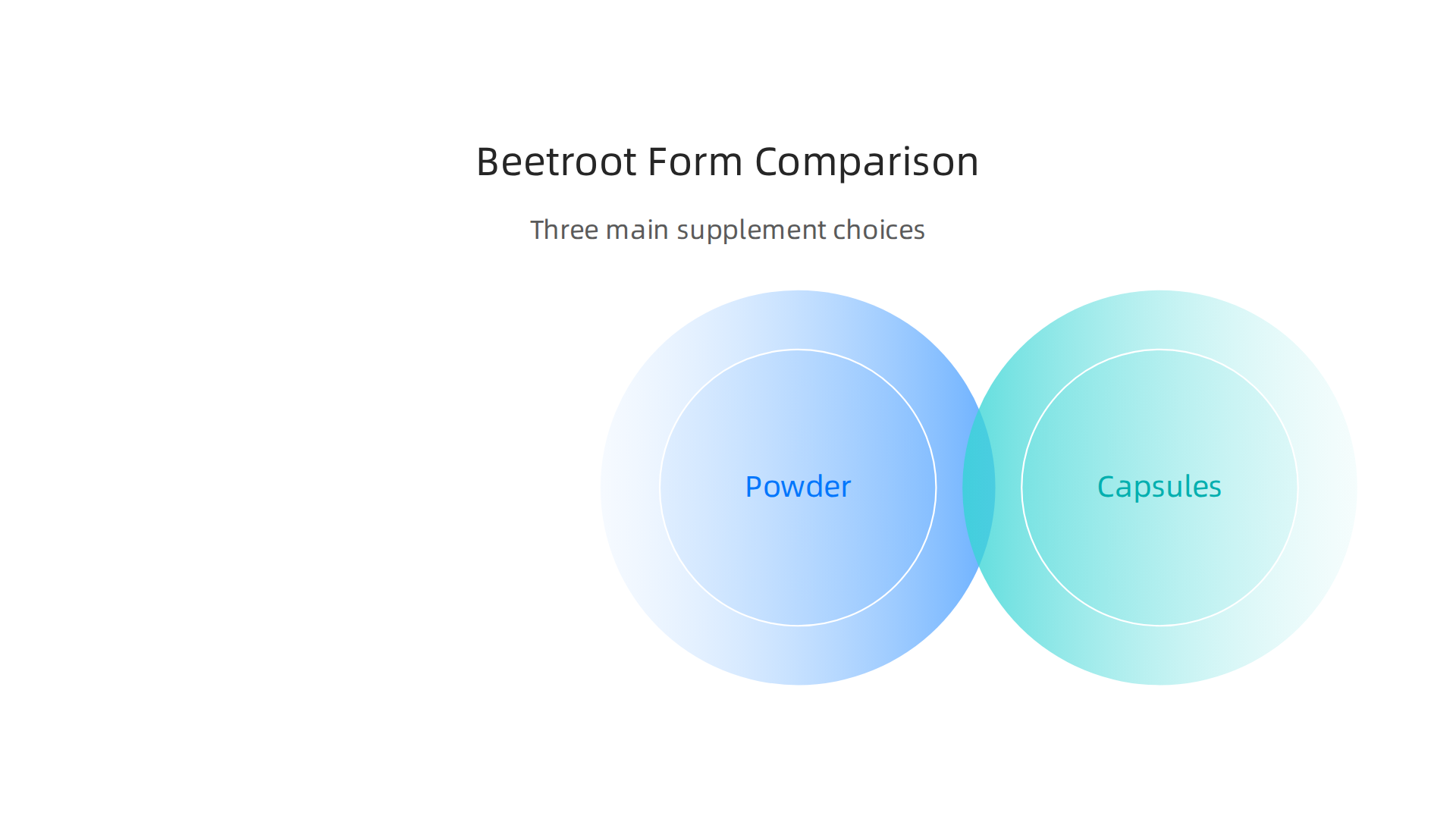
Let us break them down so you can pick what works best for your routine.
Beetroot Powder
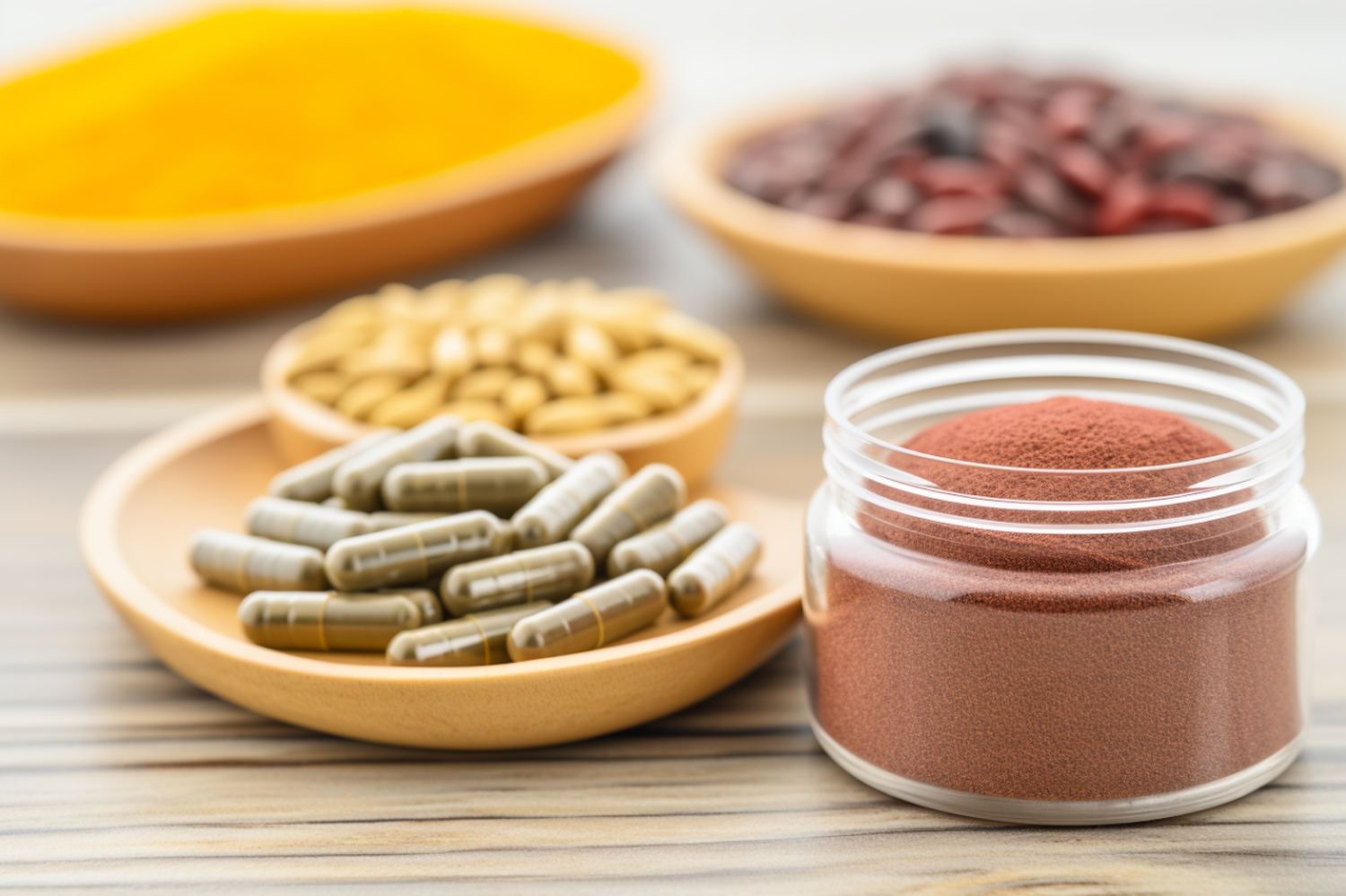
Powders are popular because they are flexible. You can mix them into water, smoothies, or even your pre workout shake. Some powders offer a high nitrate concentration per gram, which sounds great on paper.
But here is the catch. Not all powders are created equal. Some beetroot powder is actually a byproduct of pressing beets for juice. When tested, the nitrate content in many powders turned out to be very low. You might think you are getting a powerful dose when you are really getting almost nothing.
Also, beetroot powder tends to absorb moisture from the air. This can cause it to clump up inside the container. If you go with powder, look for a brand that tests its nitrate levels and shares the results.
Beetroot Capsules
Capsules win on convenience. You toss one or two back with water and you are done. No measuring. No mixing. No weird red stains on your counter.
The downside is bioavailability. Capsules have to break down in your stomach before your body can use the nitrates. Some research suggests that the body may not absorb the nitrates from capsules as well as from liquid forms. If you are already taking other supplements like collagen peptide supplements or a vitamin c supplement, adding another capsule is easy. But you might not get the same performance boost.
Beetroot Juice Concentrate
Juice concentrates are the closest thing to eating whole beets. They give you a whole food source with added nutrients like fiber, vitamins, and antioxidants.
This form has the strongest research backing. Studies show that beetroot juice often works better than isolated nitrate supplements for boosting performance. The nitrate content in juice is natural and your body knows how to use it.
The big problem? Nitrate levels can vary wildly between batches. One study found that the nitrate content in beet juice can swing by up to 400 percent. You might drink one bottle that works great and another that falls flat. Juice also packs a lot of natural sugar, around 22 to 25 grams per serving. For athletes training hard, that sugar can be fuel. For others, it might be too many empty calories.
Which One Should You Pick?
| Form | Best For | Watch Out For |
|---|---|---|
| Powder | Mixing into drinks and food | Low nitrate content in many brands |
| Capsules | Easy travel and convenience | Lower absorption by the body |
| Juice Concentrate | Whole food nutrition and proven results | Variable nitrate levels and higher sugar |
If you want the most reliable option, look for a standardized beetroot extract. A 2024 study found that 20 grams of standardized extract taken for 12 weeks was safe and effective. This form gives you a consistent dose every time without the sugar load of juice or the uncertainty of cheap powder.
Choosing the right form comes down to your goals and your lifestyle.
The most important thing is to pick a product from a trusted source that verifies what is in each serving. That way you actually get the nitrates you are paying for.
Dosage & Timing: What the Science Recommends
Now that you know which form fits your life, let us talk about the real details. How much should you take? When should you take it? And is there a way to stack the odds in your favor before a big event?
The science gives us some clear answers. Let us walk through them.
The Sweet Spot: 300 to 600 Milligrams of Nitrate
Most studies agree on an effective dose range. You need between 300 and 600 milligrams of dietary nitrate to get a real performance boost. That is roughly equal to about 500 milliliters of beetroot juice or the equivalent amount in a quality powder.
But here is the thing. You cannot just eyeball it. Some beetroot supplements on the market contain far less nitrate than they claim. That is why it matters to choose high quality supplements from brands that test their products and share the results. If you are spending money on a beetroot supplement, you want to know you are actually getting the nitrates you paid for.
Timing Is Everything
Your body needs time to convert those nitrates into nitric oxide. That process does not happen instantly.
The research points to a window of 2 to 3 hours before exercise. That is when your plasma nitrite levels peak. If you drink your beetroot juice 30 minutes before your workout, you will miss that peak. But if you take it about 2.5 hours before, your body will be ready to deliver more oxygen to your working muscles.
Think of it like fueling for a long run. You would not eat a big meal right before you start. You plan ahead. Same idea here.
The Loading Phase: Stacking Doses for Big Events
For a one-time event like a race or a competition, you can use a loading phase. This means taking multiple doses over 2 to 3 days before the event.
A 2024 study published by the NIH found that taking 20 grams of standardized beetroot extract daily for 12 weeks was safe and well tolerated in older adults. That is a much longer period than a typical loading phase. So short term loading is very safe for most people.
Here is how a loading phase might look:
- Day 3 before event: One dose in the morning and one in the evening
- Day 2 before event: Same schedule
- Day 1 before event: One dose in the morning and one about 3 hours before bed
- Event day: One dose about 2.5 hours before your start time
This approach helps build up your nitrate stores. Your body keeps converting nitrates to nitric oxide over time. By the time you line up at the starting line, your system is primed.
A Quick Word on Safety
Most people tolerate beetroot supplements well. You might notice your urine or stools turn pink or red. That is harmless. It comes from pigments in the beet called betalains.
But some people should be more careful. Beetroot can lower blood pressure. If you already have low blood pressure or take medication for it, talk to your doctor first.

The same goes if you take blood thinners or have a history of kidney stones. Beets are high in oxalates, which can contribute to stone formation in some people.
If you are looking for a trusted source to start with, check out this selection of vetted beetroot supplements. It can save you the guesswork of wondering which brands actually deliver what they promise.
Getting the dosage and timing right makes the difference between wasting your money and actually feeling the boost. Plan ahead. Pick a reliable product. And give your body the time it needs to turn those nitrates into real performance gains.
How to Evaluate Quality: Certifications, Ingredient Lists, and Third-Party Testing
You have the dosage and timing down. That is a great start. But here is the hidden trap. A low quality beetroot supplement is basically just expensive dirt. It will leave you with nothing but disappointment and wasted money.
The good news? You can easily spot the winners if you know what to look for. Let us break it down.
Certifications Are Your Shortcut to Trust
The fastest way to find high quality supplements is to look for a third party seal on the bottle.
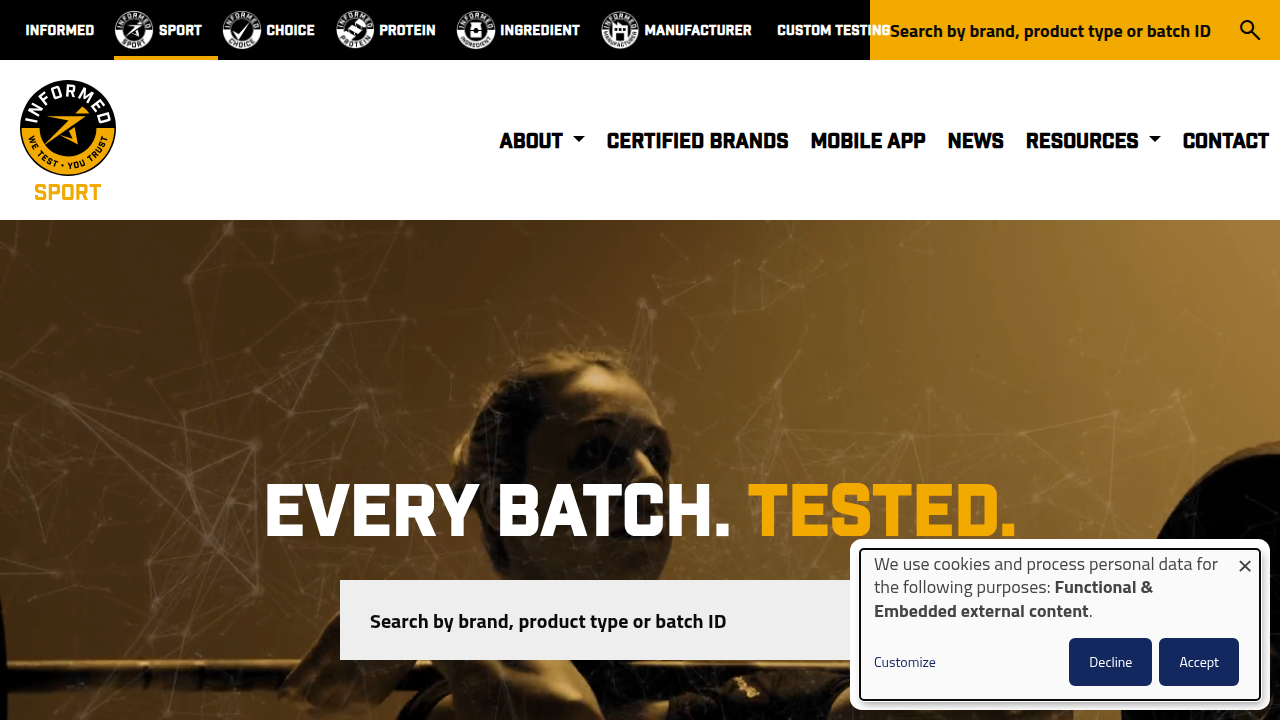
Brands that submit their products to organizations like USP, NSF International, or Informed Sport are telling you they have nothing to hide. An independent lab checked their product for purity and potency. For athletes, Informed Sport is the gold standard because it screens for banned substances.
If you do not see these seals, ask yourself why the brand is skipping this step.
Check the Nitrate Content Per Serving
Here is the thing. Beets are rich in nitrate, which converts to nitric oxide in your body. But not all beets are created equal. The amount of nitrate can vary depending on the soil, the season, and how the beets are processed.
A good beetroot supplement will clearly list the exact nitrate content per serving. If the label hides this number, you are gambling with your money.
Be Very Careful With Proprietary Blends
Some brands use a trick called a "proprietary blend." It sounds impressive. But it is actually a way to hide the exact amount of each ingredient.
You might see "Beetroot Blend 500mg" on the label. But you have no clue how much of that is active nitrate versus filler or sugar. Do not accept that. You deserve to know exactly what you are putting into your body.
Form Matters More Than You Think
The science is clear on this. Standardized beetroot extract often delivers a more reliable dose than basic powders. Be careful, because some cheap powders have been tested and found to have almost no active nitrates.
You want a product that delivers real, measurable results.
Dont Waste Your Money on Mystery Powders
This same logic applies to almost everything in your cabinet. Whether you are shopping for a vitamin c supplement, collagen peptide supplements, or muscle supplements, the rules stay the same.
Look for the seals. Read the ingredient list. Demand transparency on the label. Avoid blends that hide the truth.
Bottom Line
Picking a good beetroot supplement does not have to be hard. You just need to stick with brands that pass these simple checks. If you want to skip the research hassle and see products that already meet these high standards, take a look at the curated options we have put together. It takes the guesswork out of the equation so you can focus on your training.
Current Best Deals and Value Packs (2026)
You know how to spot a quality product now. Let us find the best price. You do not have to spend a fortune on a top quality beetroot supplement. With a few smart shopping tricks, you can save serious money in 2026.
Lock In Savings With a Subscription
The easiest way to save is to set up auto delivery. Most trusted brands offer a discount of 15% to 20% when you subscribe. That is a huge saving over the year. This works perfectly because taking a beetroot supplement works best when you take it daily. You get a lower price, and you never run out. Top picks from WOWMD show that subscription plans can really cut down your yearly cost.
Go Big With Bulk Powders
Capsules are easy to use. But if you want the lowest cost per serving, buy a bulk powder. A big 3 pound tub can give you over 270 servings. Innerbody Research highlights that some bulk powders are a true bargain at around $29.99 for that many servings.
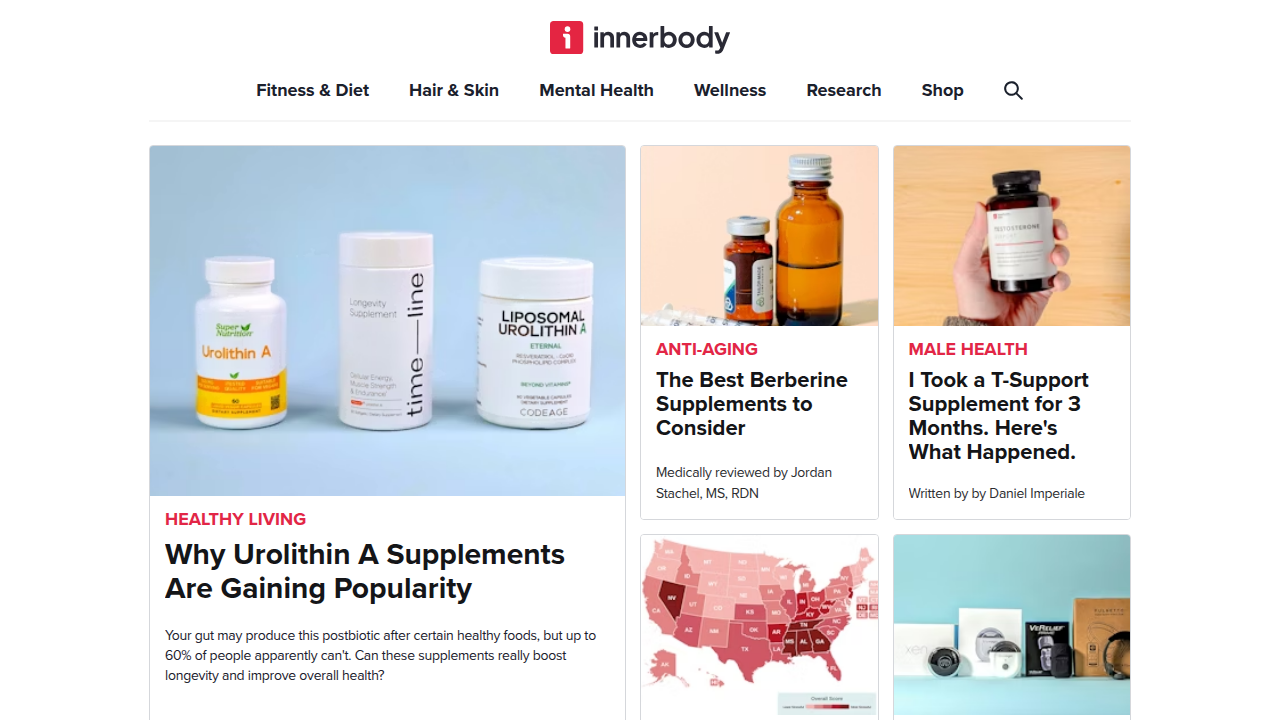
Other options cost even less. According to Garage Gym Reviews, some certified organic powders cost just $0.10 per serving. That is way cheaper than capsules in the long run.
Watch for Bundles and Holiday Sales
Keep an eye out for bundle packs. Many brands combine their beetroot supplement with other popular products. You might find a bundle that includes muscle supplements, collagen peptide supplements, or a vitamin c supplement. These bundles give you a complete daily routine at one lower price. Why pay full price for each item separately? You save on the products, and you also save on shipping. Some bundles even include bonus items like shaker bottles.
Holiday sales are another great time to buy. Stores like GNC often run seasonal promotions on their beetroot supplements. Stocking up during these sales can save you a lot.
Start Saving Today
The bottom line is simple. You should never overpay for quality. Between subscriptions, bulk bags, and smart seasonal shopping, you can get top notch results without emptying your wallet.
If you want a shortcut to the best value packs available right now, take a look at our curated list of top deals. It is the easiest way to find a high quality supplement that fits your budget.
How to Spot Misleading Claims and Avoid Waste
You have the right product. You found a good price. But here is a hard truth. Not every brand is honest. Some companies stretch the truth to sell more bottles. And you do not want to pay for a beetroot supplement that does not work.
The Federal Trade Commission (FTC) is the main agency that polices false advertising in supplements.

They have settled over 200 cases involving misleading claims since 1998. These cases cover everything from fake before and after photos to made up scientific backing. According to the FTC, if a claim sounds too good to be true, it probably is.
Be Skeptical of Miracle Before and After Photos
That dramatic picture of someone looking completely different after just 30 days? Buyer beware. Many of these images come from stock photo sites or are taken under completely different lighting. Real results take time, proper diet, and consistent training. The FTC has rules against advertisers using deceptive visuals, but enforcement often happens after the fact. So you need to be your own watchdog.
Check for a Certificate of Analysis
Here is the real test of a quality product. Look for something called a Certificate of Analysis, or COA. A trusted brand sends its beetroot supplement to a third party lab. That lab tests the nitrate content. They confirm the label matches what is actually in the bottle. If a brand does not share its COA on its website or upon request, think twice. Legitimate companies show you the proof.
Read Reviews on Independent Sites
Never trust only the testimonials on a brand’s own site. Those can be cherry picked or even fake. Head over to third party sites like those run by the Natural Products Association. Look for verified buyer reviews on Amazon, iHerb, or retailer sites. Compare ratings across a few different platforms. A supplement with 1,000 reviews averaging 4.5 stars is usually safer than one with 15 glowing reviews on the brand’s homepage.
If you want to shortcut the search, we have already vetted several top tier beetroot supplements based on these criteria. Check out our curated list of high quality supplements that pass the COA test and come from brands with real customer feedback. It saves you hours of research and helps you avoid wasting money on empty promises.
Safety, Side Effects, and Who Should Avoid Beetroot Supplements
By now you know how to spot fake claims and pick a trustworthy product. But even the cleanest label doesn’t mean the supplement is risk free for everyone. Before you start taking a beetroot supplement, let’s talk about what’s safe and who needs to be careful.
The Good News: Beetroot Is Generally Safe
For most people, beetroot and beetroot powder are well tolerated. A 2024 study published by the National Institutes of Health found that taking 20 grams of beetroot extract every day for 12 weeks was safe for older adults. So if you are generally healthy, you likely have nothing to worry about.
Common Side Effects You Might Notice
There are a couple of side effects that are harmless but can freak you out if you don’t expect them.
- Red or pink urine (beeturia). This happens to many people. Your pee turns a reddish color. It looks like blood, but it is not. It is just the pigment from the beetroot passing through your body. The same thing can happen with your stools. According to WebMD, this is normal and not dangerous.

- Stomach upset. Taking too much beetroot supplement at once can cause mild bloating, gas, or diarrhea. Starting with a lower dose and working your way up usually fixes this.
Who Should Talk to a Doctor First
Some groups need extra caution before adding a beetroot supplement to their routine.
People with low blood pressure. Beetroot naturally lowers blood pressure because of its high nitrate content. If your blood pressure is already on the low side, taking a supplement could make you feel dizzy or lightheaded. Experts at RxList note that beets can lower blood pressure further, so check with your doctor first.
Those on blood pressure or nitrate medications. If you already take medication for high blood pressure, adding a beetroot supplement might drop your numbers too much. There is also a potential interaction with blood thinners and erectile dysfunction drugs that contain nitrates. Always talk to your healthcare provider before combining supplements with prescriptions. One source highlights that the nitrate driven drop can be 5 to 10 mmHg, which is significant for someone on meds.
People prone to kidney stones. Beetroot is high in oxalates. Oxalates can bind with calcium and form stones in your urinary tract. If you have a history of kidney stones, especially calcium oxalate stones, you probably want to limit or avoid high oxalate foods and supplements. A review on Meo Nutrition lists this as one of the main reasons certain people should avoid beetroot.
Pregnant or nursing women. There is not enough research to confirm that large amounts of beetroot supplement are safe during pregnancy or breastfeeding. While eating whole beets is fine, a concentrated supplement might be a different story. It is best to get a green light from your doctor before using it.
How to Stay Safe While Using Beetroot
Choose a high quality supplements brand that provides a Certificate of Analysis. That way you know exactly how much nitrate you are getting and that the product is free from contaminants. Also, follow the serving size on the label and don’t assume more is better.
If you are looking for a reliable place to start, our team at RepCore has already vetted several beetroot supplements that meet strict safety and quality standards. You can find our top picks and detailed reviews here. It saves you the guesswork and helps you avoid products that might cause unwanted side effects.
Real-World Results: What Users and Experts Say
You might be wondering what kind of results real people actually get from a beetroot supplement. After all, reading about the science is one thing, but hearing from those who have tried it is another.
Many athletes across different sports report noticeable improvements in stamina and recovery. They say they feel less winded during intense workouts and bounce back faster afterward. In fact, a 2026 review from Innerbody Research found that consistent use of high-quality supplements helped users sustain energy levels throughout their training sessions. That matches what I hear from gym-goers and runners alike. For a budget-friendly option, Garage Gym Reviews highlighted Bulk Supplements Beet Root Powder as a great choice in 2026 for those who want a simple, organic formulation.
Here is one expert tip you can use right away. Combining your beetroot supplement with a source of vitamin C may help your body absorb the nitrates more effectively. So if you take your beetroot with a glass of orange juice or a vitamin C supplement, you could get more out of each dose. It is a small change that can make a real difference.
But here is the common mistake many people make. They expect immediate results. Beetroot is not a quick fix. It takes time for the nitrates to build up in your system. Most experts agree you need to take it every day for at least one to two weeks before you notice a difference in your performance. Consistency is what matters, not taking a huge dose once.
For those who stick with it, the payoff is worth it. If you are ready to start your journey with a trusted option, check out one of the top-rated beetroot supplements recommended by experts. Using a high-quality product from the start can save you time and frustration.
Summary
This guide explains why beetroot supplements work, how they convert dietary nitrate into nitric oxide to improve blood flow, endurance, recovery, and even blood pressure. It summarizes the strongest clinical evidence, highlights three main benefits (better stamina, faster muscle recovery, and heart-health effects), and compares the three common formats—powder, capsules, and juice concentrate—while warning about variable nitrate content. You’ll learn practical dosing (300–600 mg nitrate is the sweet spot), the optimal 2–3 hour pre-workout timing, and how short loading phases can prime you for events. The article also shows exactly how to evaluate quality—look for third-party seals, a Certificate of Analysis, and clear nitrate labeling—plus common safety concerns (blood pressure, kidney stones, pregnancy) and harmless side effects like beeturia. Finally, it offers shopping strategies to save money (subscriptions, bulk) and real-world tips such as pairing beetroot with vitamin C for better absorption so you get reliable, research-backed results without wasting money.



Get practical training, recovery, and nutrition insights in your inbox