
Best Iron Supplement for Men How to Choose the Right One for Peak Performance

Introduction
You train hard. You track your protein. You might even take vitamins for men, including zinc. But there is one mineral many active guys overlook. Iron.
It sounds basic, but iron is critical. It helps your blood carry oxygen to your muscles. Without enough, you feel sluggish. Studies show male athletes are more prone to low iron than we once thought.

A 2024 study found that nearly 20% of athletes had an iron deficiency, according to a 2024 study. Performance can drop by up to 30% when anemia sets in, research notes.
Here is the problem. Misinformation about iron supplements leads to poor choices. Some men avoid them because they think men never need iron. Others take too much, which can be toxic.
This guide cuts through the noise. We give you evidence-based criteria to find the best iron supplement for men. We cover safety, absorption, and what works for active lifestyles. If you want a shortcut to trusted products, you can see our curated list of top supplements for men here.
Let us start with the basics of why iron matters for you.
Why Iron Matters for Active Men
Let us get one thing straight. You cannot perform at your best without enough iron. It is that simple.
Iron is the main building block of hemoglobin. That is the protein in your red blood cells that grabs oxygen from your lungs and carries it to every muscle, organ, and tissue in your body.
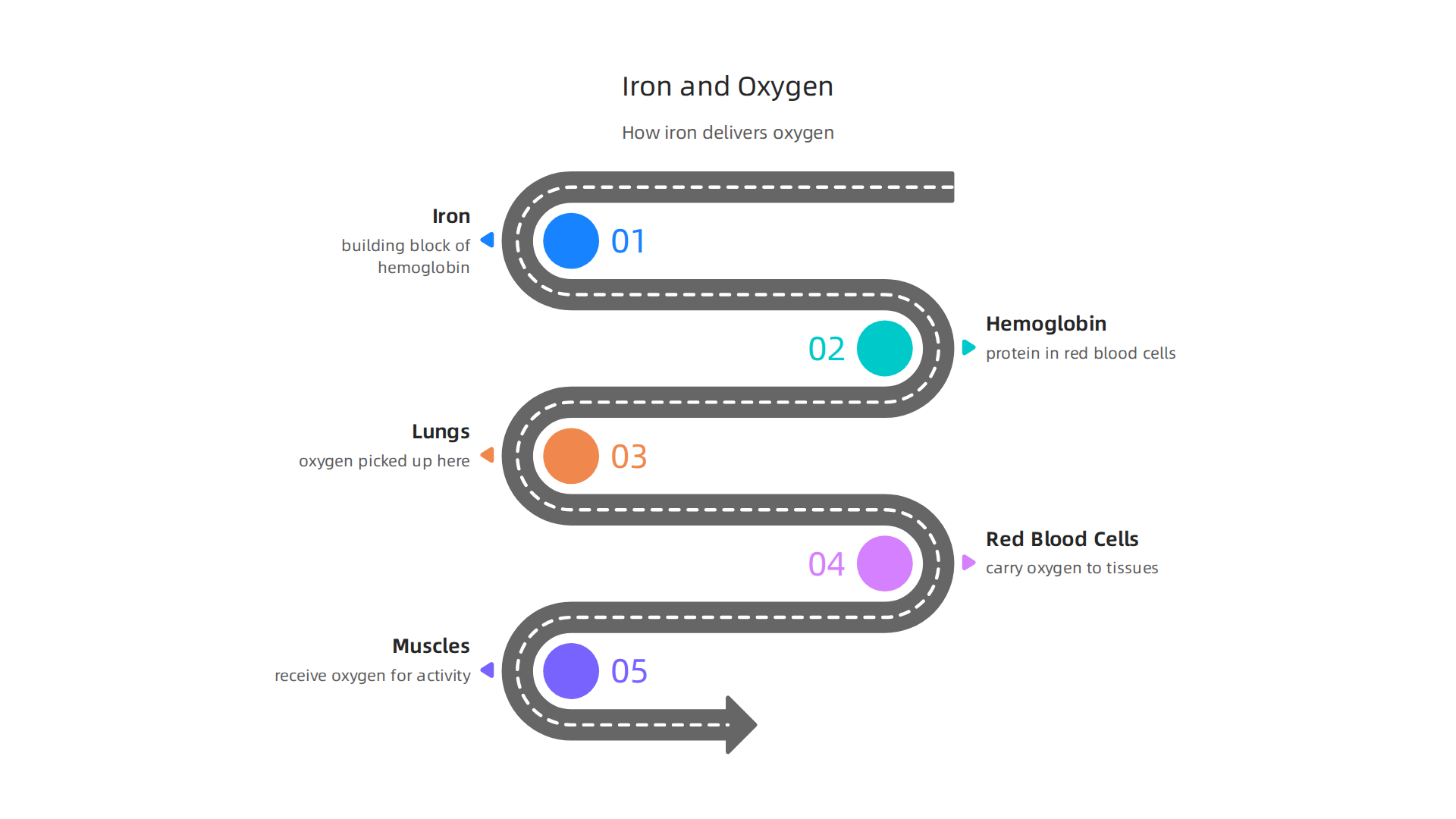
When you exercise, your muscles scream for oxygen. Without enough iron, that delivery system slows down. Your engine starves for fuel.
This is not just about extreme cases of anemia. You can have what doctors call "marginal iron deficiency" and still suffer real consequences. Your endurance drops. Your recovery takes longer. Your brain feels foggy. A 2023 review in the NIH database confirms that iron deficiency can reduce physical performance even before full anemia sets in, according to research in the PMC.
Here is the thing a lot of guys do not know. Male athletes lose iron through multiple routes. You might think only women need to worry about iron loss. That is wrong. Men lose iron through sweat during hard training. Some lose small amounts through gastrointestinal bleeding caused by intense exercise. Runners and jumpers also experience something called foot-strike hemolysis. That is a fancy way of saying the impact of your feet hitting the ground damages red blood cells.
Research from the University of Guelph found that elite endurance athletes, especially males, are more prone to iron deficiency than experts once believed, according to their 2018 study. When full anemia sets in, endurance performance can drop by up to 30%, as reported in a 2026 review on iron deficiency in athletes. That is a massive hit for anyone serious about their training.
So here is the bottom line. If you train regularly and you feel tired, slow, or unmotivated, low iron could be the culprit. Many athletes never get checked because they assume it is not a male problem. But research shows male athletes across many sports are affected. The GSSI reports that iron deficiency impacts roughly 15 to 35% of female athletes but also a meaningful number of males, as detailed in their sports science exchange.
The good news? You can fix this with proper nutrition and the right supplement. Finding the best iron supplement for men comes down to knowing what to look for. If you want a head start, check out our curated list of top supplements for men that includes trusted iron options.
Next up, we will compare the different forms of iron so you can pick one that actually absorbs well and does not upset your stomach.
Types of Iron Supplements: Ferrous vs. Ferric, Heme vs. Non-Heme
Now that you understand why iron is so critical, let us talk about the actual forms you will find on store shelves. Not all iron is created equal. Picking the best iron supplement for men starts with knowing the difference between two main categories.
Ferrous vs. Ferric. Ferrous iron is the active form your body can absorb directly. Ferric iron must be converted inside your body first, which makes it much less effective.
Almost all quality iron supplements use ferrous forms. The most common are ferrous sulfate, ferrous fumarate, and ferrous bisglycinate.
Ferrous sulfate is the cheapest and most widely available. But it often causes stomach problems like constipation, nausea, and cramps. That is why many guys quit taking it.
That is where chelated iron comes in. Ferrous bisglycinate is a special form where the iron is bonded to the amino acid glycine. This keeps the iron from reacting with your gut lining. The result is much better absorption with far fewer side effects. Research suggests that ferrous bisglycinate may be up to four times more bioavailable than ferrous sulfate, according to Feel. Multiple clinical comparisons confirm it achieves similar or better increases in ferritin and hemoglobin while causing less digestive discomfort, as reported by Superpower. A 2014 study also found that just 25 mg of bisglycinate worked as well as 50 mg of ferrous sulfate for preventing deficiency, per PubMed.
Heme vs. Non-Heme. Heme iron comes from animal sources like red meat and liver. Your body absorbs it much more efficiently, around 25 to 30%. However, heme iron is rare in supplements because it is expensive and harder to manufacture. Most supplements use non-heme iron, which comes from plants. Non-heme absorbs at a lower rate, but you can boost it by taking vitamin C alongside.
For most active men, a ferrous bisglycinate supplement gives you the best mix of high absorption and stomach comfort. If you want a trusted option that fits this profile, check out our recommended picks from the top supplements for men.
Ferrous Sulfate, Fumarate, and Bisglycinate Compared
So which form should you actually take? Let us compare the three main types you will see.
Ferrous Sulfate. This is the standard gold choice used in most studies. It is very cheap. But it is well known for causing nausea and constipation. Many guys quit taking it because of these side effects.
Ferrous Fumarate. This form is very similar to sulfate. You will find it in many basic multivitamins. It can also upset your stomach, though usually not as badly as sulfate.
Ferrous Bisglycinate. This is the chelated form we just talked about. Because the iron is bonded to the amino acid glycine, it passes through your stomach much more gently. Research shows it causes far fewer gastrointestinal side effects than sulfate. Studies also confirm it is highly absorbable. One 2014 study found that 25 mg of bisglycinate worked just as well as 50 mg of sulfate, according to PubMed.
If you want effective iron without the stomach trouble, ferrous bisglycinate is the best iron supplement for men. It costs a bit more, but the comfort and absorption are worth it. You can find our top recommendations by looking at the top supplements for men.
Heme Iron Polypeptide: A Special Case
Now let us talk about a different kind of iron. Heme iron polypeptide comes from animal sources like pigs or cows. Your body absorbs it through a separate pathway. This matters because things like phytates in whole grains do not block heme iron as much.
You will find fewer supplements with heme iron. Most stick to cheaper salt forms. For men who are very sensitive to constipation, heme iron might be a gentler choice. But here is the catch. The research on heme iron for men is limited. Most studies focus on women or people with severe anemia.
For most guys, ferrous bisglycinate is still the best bet. It is well studied and easy to find. If you want to explore all your options, including heme varieties, take a look at our iron supplements for men page.
Optimal Dosage and Timing for Men
So you have picked your iron type. Now comes the next big question. How much should you take? And when does it really matter? Let us simplify things.
First, the number you need to know. The recommended daily allowance (RDA) for adult men is only 8 milligrams per day.
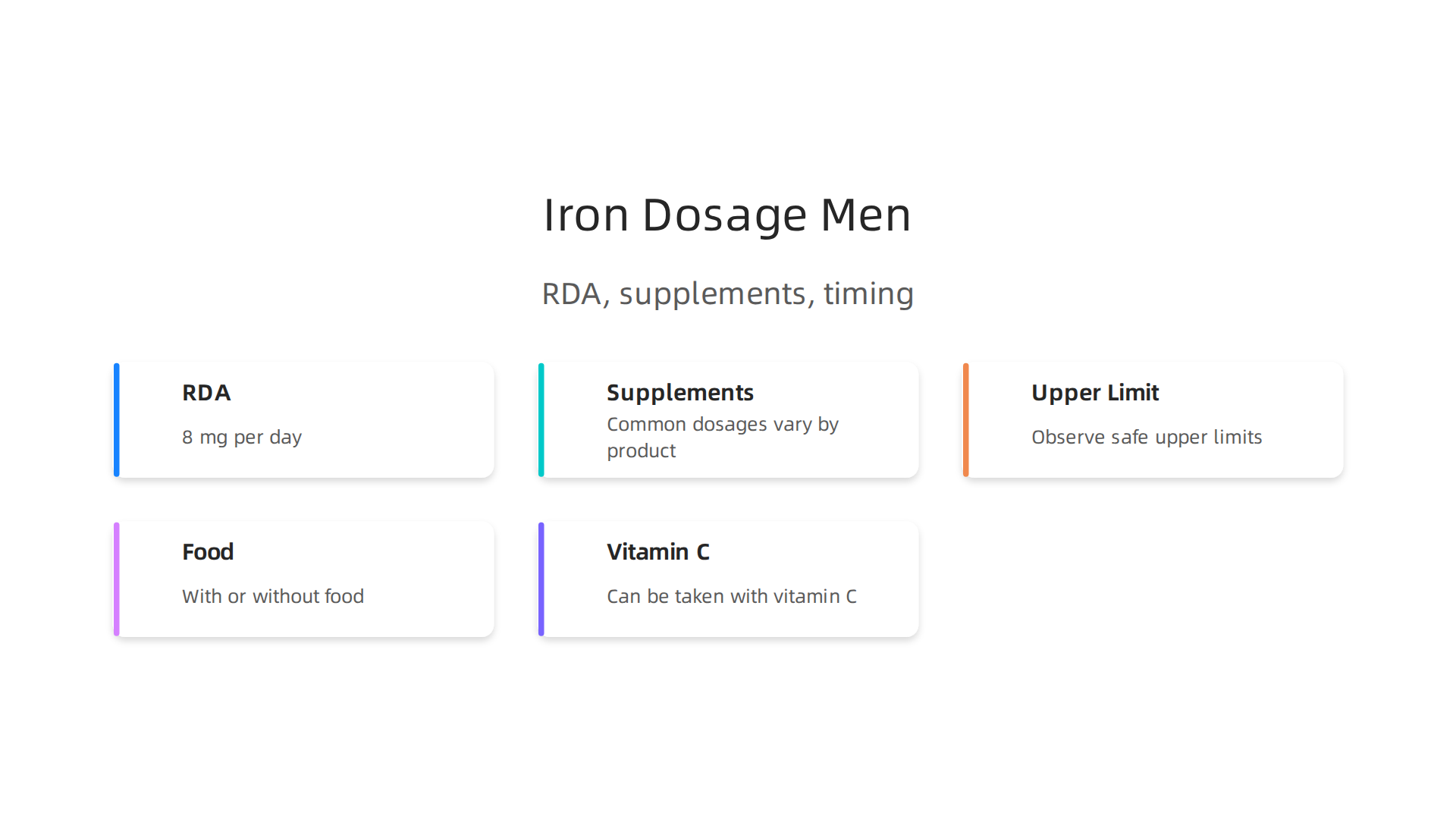
That is a small amount. Most guys get enough from food alone. But if you have an iron deficiency or you are an athlete losing iron through sweat, your needs may be higher.
Most iron supplements on the market sell pills with 18 to 65 milligrams of elemental iron. That sounds like a lot compared to the RDA. Here is the reason: your body does not absorb all of it. So supplement makers add extra to make sure enough gets in. But more is not better. Taking too much can cause stomach pain, constipation, and nausea. In very high doses, iron can even be poisonous. The safe upper limit for adults is 45 milligrams per day from both supplements and food combined, according to WebMD. Extremely high doses can lead to organ failure, so always keep supplements in child-proof containers and follow directions. GoodRx warns that hundreds or thousands of milligrams can be deadly.
Now for timing. Iron absorption depends heavily on what else is in your stomach. For the best results, take your iron on an empty stomach. That means about one hour before a meal or two hours after. Pair it with vitamin C (a glass of orange juice or a small vitamin C pill works well). Vitamin C helps your body grab more iron.

On the other hand, calcium, coffee, and tea block absorption. So avoid those for at least one hour before and after your dose. Healthline notes that this simple change can make a big difference.
If you choose a gentler form like ferrous bisglycinate, you might have more flexibility with food. But empty stomach with vitamin C is still the gold standard.
Stick to the right dose and timing, and you will dodge side effects while getting the most benefit. For a reliable, easy-to-take option, check out our top supplements for men that are gentle on the stomach.
How to Choose the Best Iron Supplement: Key Criteria
You know your dose and timing. Now comes the tricky part. Which bottle do you actually grab? With so many options on the shelf, picking the best iron supplement for men can feel overwhelming.
Here is a simple process to cut through the noise.
Start with a blood test. Never guess. Low iron does not always feel obvious. Fatigue, brain fog, or poor recovery at the gym could mean your levels are off. But piling on iron when you do not need it can be dangerous. Ask your doctor for a ferritin and hemoglobin test first. For athletes, this is especially critical. Research shows that iron deficiency can directly hurt your performance, as noted in a review from the National Institutes of Health. A simple test tells you where you stand and how much to supplement.
Look for third-party testing seals. Not all supplements are created equal. Some brands skip quality checks. Look for seals from USP, NSF, or ConsumerLab on the label. These mean the product has been tested for purity and accurate dosing. It is your best defense against contamination or weak pills.
Consider the form, dose, additives, and brand reputation. You already learned about iron types. Now match that to a reputable brand. Avoid supplements with a long list of fillers, artificial colors, or unnecessary herbs. Keep the dose within the safe range (8 to 45 mg total). For an everyday athlete, many experts suggest starting low and adjusting based on blood work, as discussed in contemporary guidelines from GSSI.
When you find a clean formula from a trusted brand, you are set. For a shortlist of high-quality picks, check out these top-rated iron supplements that meet all the criteria above. Your body will thank you.
Absorption Boosters and Inhibitors
You picked a great iron supplement. But what you eat with it matters just as much.
Vitamin C is your best friend. Pair your pill with orange juice or a vitamin C rich meal. It can boost absorption by two to three times.
Watch the blockers. Calcium from dairy, tea and coffee (polyphenols), and whole grains (phytates) all get in the way. Take iron at a different time from these.
Smart supplements help. Some formulas already include vitamin C or extra nutrients like folate and B12. Choose a quality brand with third-party certification. The NSF certification program tests for purity and accurate dosing.
For an easy option that does the heavy lifting, try this iron supplement with built-in absorption support.
Third-Party Testing and Quality Marks
You now know what to pair with your iron. But how do you know the bottle actually contains what it says? That is where third-party testing comes in. These independent seals mean a supplement has been checked for purity, potency, and safety.
USP (U.S. Pharmacopeia) is one of the most trusted marks. A USP verified supplement meets strict standards for ingredients and manufacturing. It guarantees you get exactly what the label promises. You can check the USP Verified Supplements List to see which brands pass.
NSF International offers a similar program. Their Certified for Sport seal goes further by testing for over 200 banned substances. This makes it ideal for athletes and anyone serious about clean supplements. The NSF certification program also tests for harmful contaminants.
ConsumerLab.com is another independent watchdog. They run their own tests and publish results through a subscription. You can browse their Quality Certification Program for products that passed voluntarily.
When you are searching for the best iron supplement for men, look for one of these seals on the label. It takes the guesswork out. For a trusted option that meets these high standards, check out this curated list of third-party tested supplements. It includes top supplements for men that go through rigorous checks so you can feel confident in your choice.
What the Science Says: Iron Supplementation for Male Athletes
Ever feel like you are giving everything in your training but still run out of gas? You eat well, sleep enough, yet your endurance just isn’t there. One possible reason is low iron. But before you grab a bottle, let’s see what the research actually says.
The biggest performance benefit comes only if you are iron deficient. Several meta-analyses have looked at this. When male athletes have low iron stores (not full anemia, just borderline), supplementing can boost VO2 max and cut down on fatigue. Your body uses iron to carry oxygen to working muscles. So if you are short on iron, your endurance suffers. According to a review in the National Institutes of Health database, adequate iron levels are necessary for athletes because even mild deficiency can reduce physical performance (source: Iron Status and Physical Performance in Athletes). Another 2025 review from the GSSI sports science exchange explains how exercise itself can mess with iron regulation, making athletes more prone to deficiency (source: Contemporary Approaches to the Identification and Treatment of Iron Deficiency in Athletes).
But here is the catch: if your iron levels are already normal, taking extra will not make you faster or stronger. The same studies show no performance gains in athletes who are iron replete. In fact, unnecessary supplementation can backfire.
For strength training, the evidence is thin. Most of the clear benefits show up in endurance sports like running, cycling, or rowing. For pure strength gains, research is less convincing. A 2025 student symposium paper noted that future guidelines need to be refined to maximize performance without causing harm, especially for strength athletes (source: Iron Deficiency and Athletics Performance: Implication, Interventions). So if your main goal is adding weight to the bar, iron supplements likely won’t give you a boost unless you are genuinely low.
What happens if you overdo it? Too much iron is dangerous. Excess iron can cause oxidative stress, gastrointestinal upset, and even long term damage to organs like the liver and heart. A review in the Medical Research Archives points out that iron deficiency and exercise are closely linked, but so are the risks of over supplementation (source: Iron deficiency in Athletes – Challenges and Future of Sports Nutrition). More is not better.
So how do you find the best iron supplement for men? First, get a blood test to know your ferritin levels. If you are low, choose a product with third party seals (like USP or NSF) to ensure safety and potency. For a science backed option that fits the needs of everyday athletes, check out these carefully vetted top supplements for men. They include iron formulas that have been tested for purity and effectiveness, so you can support your endurance without the guesswork.
Safety, Side Effects, and Interactions
Before you start taking an iron supplement, you need to understand the risks. Especially as a man. The previous section showed that supplementing helps only if you are deficient. But even if you are low, jumping into high-dose iron without caution can cause problems.
The biggest concern for men is iron overload. Men naturally lose less iron than women because they do not menstruate. That makes hemochromatosis (a condition where your body stores too much iron) more common in guys. According to the National Institutes of Health, the tolerable upper intake level for iron is 45 mg of elemental iron per day for adults (source: NIH Iron Fact Sheet for Consumers). Going way above that without a real need is risky. Excess iron can build up in organs like the liver, heart, and pancreas, causing long-term damage. That is why many experts advise getting a genetic test before starting high-dose supplements. If you have the gene for hemochromatosis, even moderate amounts of extra iron can be dangerous.
Common side effects are uncomfortable but usually manageable. About 40% of people who take oral iron supplements experience nausea, constipation, abdominal pain, or a combination of these (source: HealthEd: Iron Supplementation Practical Tips). You might also notice dark stools and a metallic taste in your mouth. These are not harmful, but they can be annoying. The Cleveland Clinic notes that side effects like constipation and stomach cramps are typical (source: Cleveland Clinic: Iron Supplements). The good news? You can reduce these issues by taking your supplement with food, starting with a lower dose, or switching to a gentler form like iron bisglycinate.
Iron can also interact with other medications. It may lower the absorption of thyroid medications, antacids, and certain antibiotics like tetracyclines and fluoroquinolones. If you take any of these, space your iron intake by at least two hours (check with your doctor for exact timing). Also, calcium-rich foods and drinks (like milk or supplements) can block iron absorption, so avoid taking them together.
So how do you stay safe? First, get a blood test to know your ferritin levels. Second, talk to your doctor about genetic testing if you plan to take high doses long-term.

Third, choose a product that has been third-party tested for purity and potency. For a trusted option that fits the needs of everyday athletes, check out these carefully selected top supplements for men. They include iron formulas that are gentle on the stomach and backed by science, so you can support your endurance without the guesswork.
Frequently Asked Questions
Now that you know the safety basics, let’s clear up some common questions about iron. A lot of myths float around out there. Here are the facts you need.
Can I take iron on an empty stomach?
Yes, you can. Your body actually absorbs iron best when you take it on an empty stomach. But there is a catch. Doing this can make side effects like nausea and stomach pain more likely. Taking it with a small amount of food can help reduce that. Adding vitamin C at the same time, like a glass of orange juice, can boost absorption even more. WebMD explains that food can cut the risk of stomach upset, though it may lower absorption a little (source: WebMD). So try it on an empty stomach first. If you feel sick, switch to taking it with a light meal.
Should I cycle iron supplements?
Not really. Most experts say you should only take iron until your levels are back to normal. Then you should stop supplementing and maintain with diet alone. Cycling off and on can delay you from reaching healthy levels. Once a blood test shows your ferritin is good, you can stop the pills and focus on iron-rich foods. The NIH says the safe upper limit is 45 mg per day for adults, so you should not take high doses longer than needed.
Is plant-based iron (non-heme) enough for active men?
It can be, but it takes some planning. Plant-based iron from foods like spinach, beans, and lentils is harder for your body to absorb than heme iron from meat. One common myth is that you cannot get enough iron without red meat. That is not true (source: Privé Clinics). With smart food pairings and maybe a supplement, active men can meet their needs. If you are an everyday athlete and want an easy, science-backed option to support your performance, consider a trusted product from this list of top supplements for men. It takes the guesswork out of finding a gentle, effective iron formula.
Summary
This article explains why iron is essential for men who train, how deficiency reduces endurance and recovery, and why athletes are more at risk than many realize. It walks through the different supplement forms—ferrous sulfate, ferrous fumarate, ferrous bisglycinate and heme iron—highlighting absorption, side effects, and which options are best for men. You’ll learn safe dosing limits, ideal timing (empty stomach plus vitamin C), and which foods or drinks block absorption. The guide also stresses the importance of blood testing and third-party certification to avoid unnecessary or unsafe supplementation. Scientific evidence is summarized: supplementation helps athletes only when iron stores are low and won’t boost performance if levels are normal. Practical tips cover reducing gastrointestinal issues, medication interactions, and when to consider genetic testing for iron overload. After reading, you’ll be able to pick a well‑tested, effective iron strategy tailored to training needs and safety considerations.


Get practical training, recovery, and nutrition insights in your inbox