
How a Lifetime Gym Membership Can Save or Cost You Thousands


Introduction: The Promise and Peril of a ‘Lifetime’ Gym Deal
Imagine paying once and getting gym access forever. No monthly bills. No renewal reminders. Just one payment, and you walk in anytime you want for the rest of your life.
That’s the appeal of a lifetime gym membership. It sounds like the cheapest gym membership you could ever find, right? Who wouldn’t want to lock in such an affordable fitness clubs deal and never worry about rising prices again?
But here’s the reality. Many people who search for a gym membership affordable enough to justify that upfront cost end up buried in fine print, hidden fees, and confusing terms. Add in worries about the gym closing down or your own motivation fading, and the deal starts to feel less solid.
This is where decision fatigue really hurts you. When you face too many options or too much conflicting advice, your brain gets worn out and your judgement slips.

You might even feel frozen by choice overload, unable to tell which offer is actually worth your money.
I get it. You want a straightforward, trustworthy option. Not a contract that traps you.
That’s exactly why this guide exists. We’re going to dig into the real financials, the legal traps, the psychology, and the warning signs. No hype, no fluff. Just clear, evidence-based facts that help you decide with confidence.
And if you’re looking for reliable, science-backed guidance on your fitness journey overall, RepCore offers curated reviews and practical advice to help you make smart choices every step of the way.
Let’s get started.
What Exactly Is a Lifetime Gym Membership?
At its simplest, a lifetime gym membership means you pay one larger fee upfront. In return, you get access to that gym for as long as you live. No monthly bills, ever again. It feels like the ultimate hack to finding the cheapest gym membership possible.
But the word "lifetime" does not always mean what you think. Some memberships last for your entire life. Other contracts state the membership lasts for the "lifetime of the business." That is a huge difference. If the gym closes its doors, your membership ends with them. There are also "limited lifetime" memberships that cap your access at 10, 25, or 30 years. You have to read the fine print very carefully.
You will mostly see three ways to pay for one of these deals:
- Full upfront lump sum: You pay everything at once to lock in your rate.
- Financing plans: You spread the large fee over a year or two with interest.
- Hybrid models: You pay a discounted annual fee every year instead of a true one-time payment. It feels like a lifetime deal but technically renews each year.
How does this compare to standard monthly dues? Premium chains like Life Time charge between $90 and $220 per month for standard gym membership access. A lifetime deal might look cheaper in the long run, but only if you actually stick with it.
Gyms know that most people overestimate how often they will go. In 2026, gym memberships spike by over 25% in January, yet most people stop going within a few months. This is what makes the "lifetime" gamble so risky for the member but so profitable for the gym. The fitness industry is booming, with big-box gyms predicted to grow at a 7.2% CAGR through 2035. Gyms are looking for ways to lock in long-term revenue, and these prepaid deals are a perfect tool for that.
Actually, deciding whether a lifetime deal is right for you requires cutting through a lot of marketing hype. You do not have to do it alone. If you want to break down the real costs and value of different gym membership options, RepCore offers straightforward, evidence-based reviews to help you make a smarter choice before you hand over any cash.
The Financial Breakdown: Is Lifetime Really Cheaper?
So you are staring at that big upfront number and wondering if it actually saves you money. The answer depends on how long you stick around. Let us run the numbers.
Say a lifetime gym membership costs $2,500 upfront. Compare that to a standard monthly plan at $150 a month, which is average for a premium club like Life Time according to industry data.
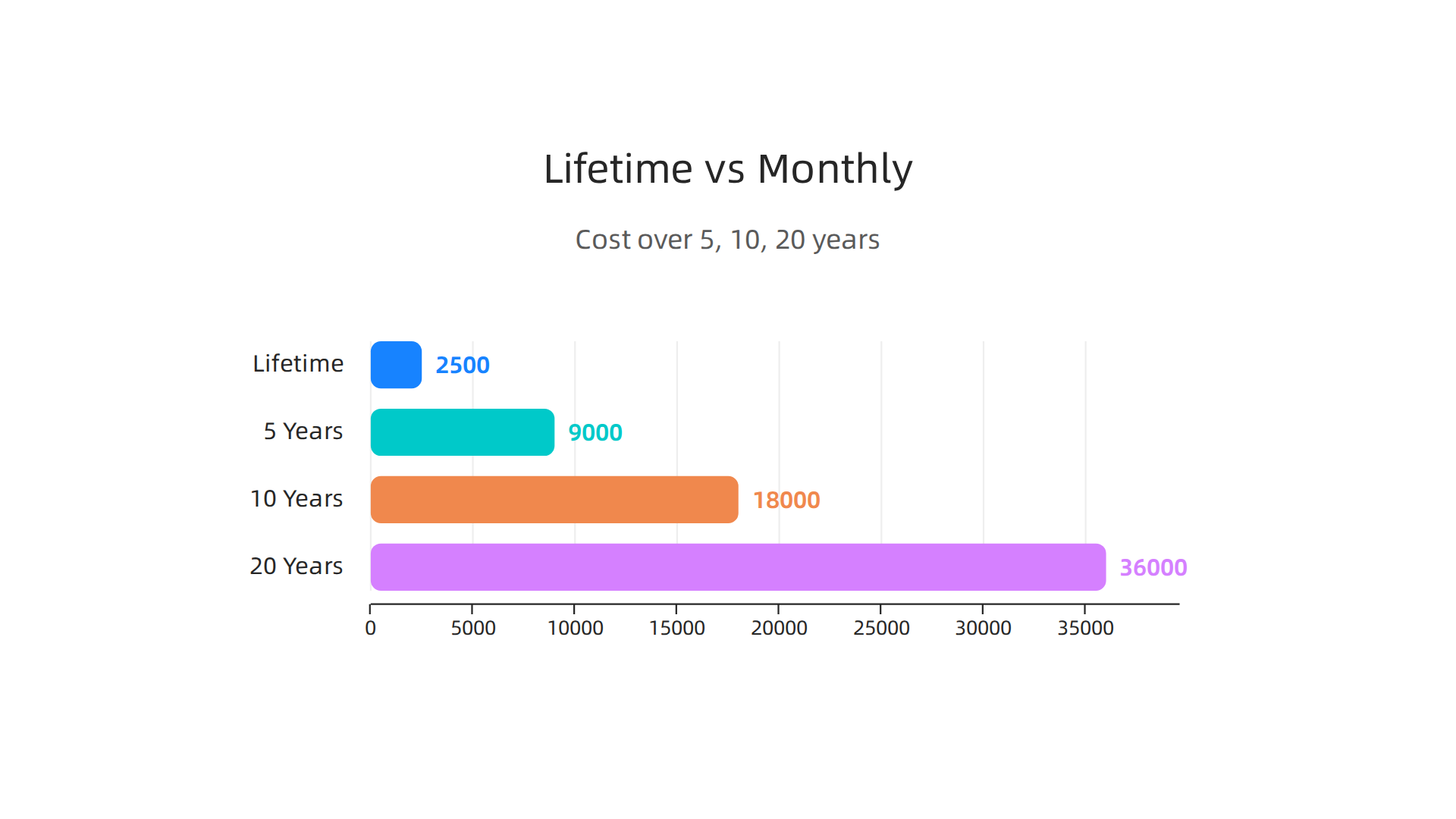
That breaks down like this:
| Time Horizon | Monthly Total ($150/mo) | Lifetime Upfront ($2,500) |
|---|---|---|
| 5 years | $9,000 | $2,500 (saves $6,500) |
| 10 years | $18,000 | $2,500 (saves $15,500) |
| 20 years | $36,000 | $2,500 (saves $33,500) |
On paper, the lifetime deal looks like a steal. But here is the catch.
Opportunity cost matters. If you invested that $2,500 instead of paying it upfront, earning a modest 7% annual return, it could grow to over $9,600 in 20 years. So the real cost is not $2,500. It is the potential growth you give up.
Inflation eats away at future value. That $2,500 paid today is worth more than $2,500 paid 20 years from now. Meanwhile, monthly dues usually rise with inflation. Major gym chains like Life Time have been increasing their average dues year over year. If you lock in a lifetime rate, you avoid those future price hikes. That is a real benefit.
But gyms also evolve. Your affordable fitness clubs might add new equipment or classes that require extra fees. Some lifetime contracts only cover basic access. You could end up paying more for the premium features you actually want.
The truth is, for a lifetime gym membership to beat paying monthly, you need to stay committed for well over a decade. Most people do not. If you want to see exactly how the math works for your specific situation, RepCore provides clear, evidence-based breakdowns of different gym membership options so you can make a smart choice before you commit.
Hidden Clauses and Fine Print: What You Must Read Before Signing
You have run the numbers and a lifetime gym membership looks tempting. But before you hand over that big check, slow down. The contract you sign can be full of surprises that ruin the deal. Here is what to look for.
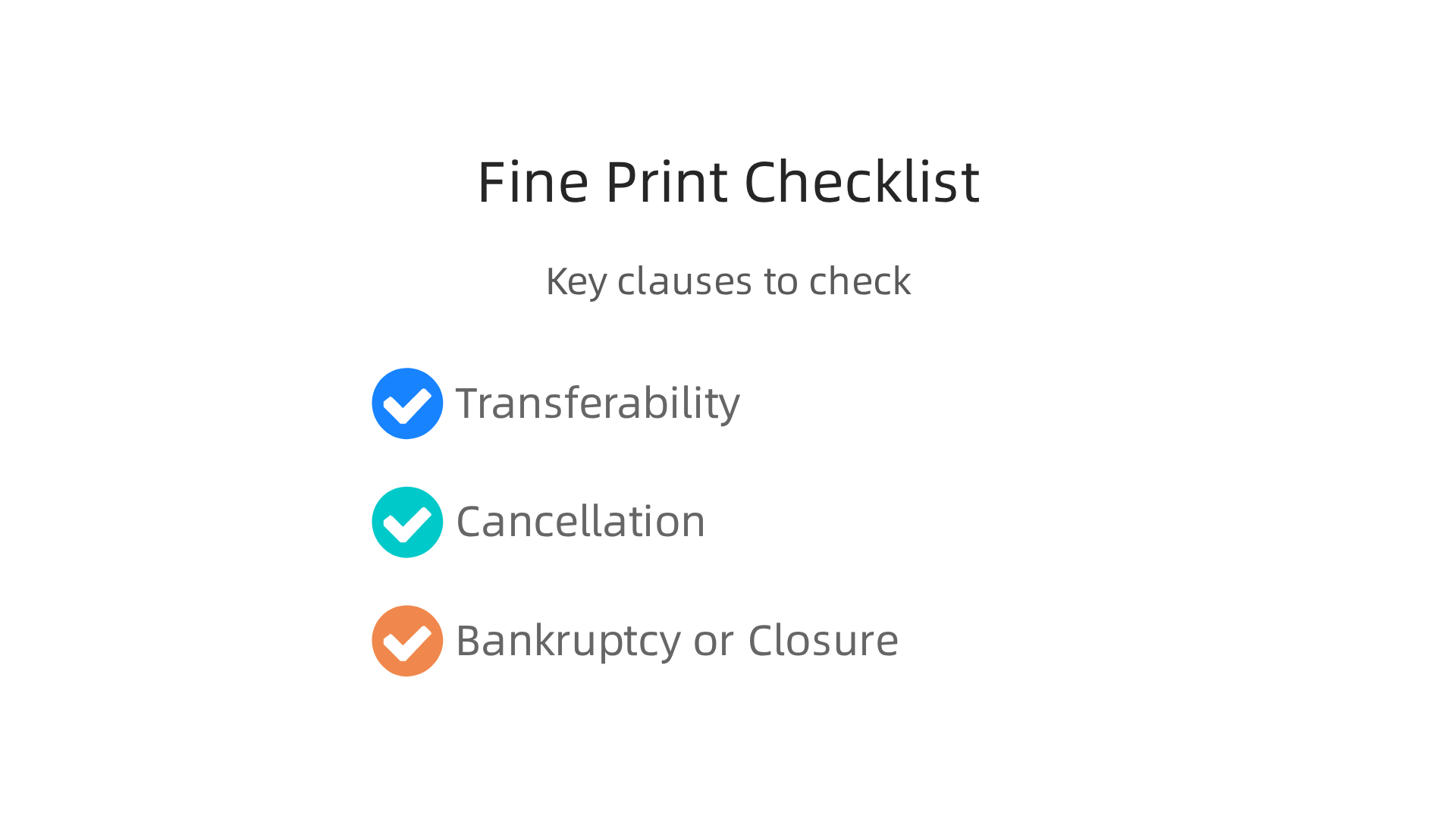
Transferability restrictions. Can you give your membership to a friend or sell it if you move? Many gyms say no. You might be stuck paying for a membership you cannot use. Some affordable fitness clubs allow transfers for a fee, but others lock you in for life. Ask before you sign.
Cancellation policies. This is where most people get burned. A typical gym membership contract gives you a short cooling off period. According to gym cancellation laws by state, you usually have about five business days to cancel without penalty. After that, it gets hard.
What if you move to a city without that gym? What if you get injured and cannot work out? Some contracts let you freeze your membership instead. For example, Life Time offers a suspension option where you switch to a digital plan for $15 a month. But not all gyms do this. Read the fine print.
Bankruptcy and facility closure. Here is a scary one. What if the gym chain goes bankrupt or closes your local club? Your contract might become worthless. Some lifetime gym memberships have a clause that voids your agreement if the gym closes. That is a real risk. In fact, Illinois lawmakers have gone after phony lifetime membership loopholes because some contracts are effectively illegal under state law.
Before you commit to any cheapest gym membership or premium plan, get the contract in writing. Look for these gotchas. If you want to see how different memberships stack up on transparency, RepCore breaks down the fine print so you know exactly what you are agreeing to.
Who Should Consider a Lifetime Gym Membership? (Matching the ICP)
After reading about all those hidden clauses, you might think a lifetime gym membership is a bad deal for everyone. That is not quite true. For the right person, it can actually save thousands of dollars. So who exactly is the right person?
You are a good fit if you have a rock-solid fitness habit already.
A lifetime gym membership makes sense when exercise is not a chore. It is just part of who you are.

Research on the psychology of habit formation in fitness shows that lasting actions come from repeated cycles of cues, behaviors, and rewards. If you have gone to the same gym three times a week for two years without stopping, you have that habit loop wired in. A lifetime deal rewards that consistency.
You also need to stay put. If you plan to live in the same city for decades, a one-time payment beats monthly fees. But if your job, family, or lifestyle might move you across the country in a few years, that lifetime contract becomes a burden you cannot escape.
Who should skip this deal?
Beginners should absolutely walk away. A study on habit formation found that building automatic exercise routines takes months, and many people drop off before the habit sticks. If you are still figuring out whether you even like working out, do not lock yourself into a lifetime commitment. Get a cheapest gym membership first, or look for gym membership affordable month-to-month options.
The same goes for people who crave variety. Maybe you like bouncing between affordable fitness clubs, trying new classes, or switching routines every season. A lifetime contract ties you to one location. That kills your flexibility.
For RepCore’s ICP: fitness enthusiasts and health-conscious consumers
If you are serious about your fitness journey and already loyal to a specific gym with a strong track record, a lifetime gym membership could be a smart move. You know your habits. You know the facility. You know the equipment works for your goals. Just make sure the gym itself has solid financial health and a long history. A breakdown of different memberships can help you compare the fine print and see which ones are worth the upfront cost.
The bottom line? Only bet on lifetime if you have already proven your commitment to yourself.
The Psychology of Prepaid Commitment: Does Paying Once Boost Consistency?
Here is a big question gym owners love to hint at. If you pay a huge lump sum upfront, will you feel more motivated to actually show up? The psychology behind this is trickier than it sounds.
The sunk cost fallacy is real, but it fades.
When you drop a lot of money on a lifetime gym membership, you feel that loss in your gut. That feeling can push you to the gym for the first few months. You do not want to waste your investment. Research into the psychology of habit formation in fitness shows that early attendance is often driven by financial guilt rather than genuine enjoyment. The problem is that this feeling wears off. After six months, the upfront payment becomes a distant memory. Your brain stops treating it as a fresh loss.
Habit beats money every time.
What actually keeps people going long term? Routine and identity.

A systematic review on habit formation found that automatic exercise routines take months to build and rely on cues and rewards, not financial pressure. People who exercise because they see themselves as active, healthy individuals stick with it. People who exercise because they paid a fee tend to quit once the money guilt disappears. True long-term fitness motivation comes from building a fitness identity, not from a bank transaction.
Loss aversion cuts both ways.
There is another risk here. If you pay for a lifetime gym membership and then the gym closes, moves locations, or you get injured, that loss can cause real stress. You might feel trapped or angry. That negative emotion can actually hurt your relationship with exercise. Instead of feeling good about working out, you feel bitter about the money.
The takeaway is simple. Paying once might get you in the door. But only real habits and personal identity will keep you showing up year after year. If you want to compare how different gyms structure their fees and psychology, a comparison of membership options can help you see which ones actually support long-term consistency.
How to Evaluate a Lifetime Membership Offer: A Step-by-Step Checklist
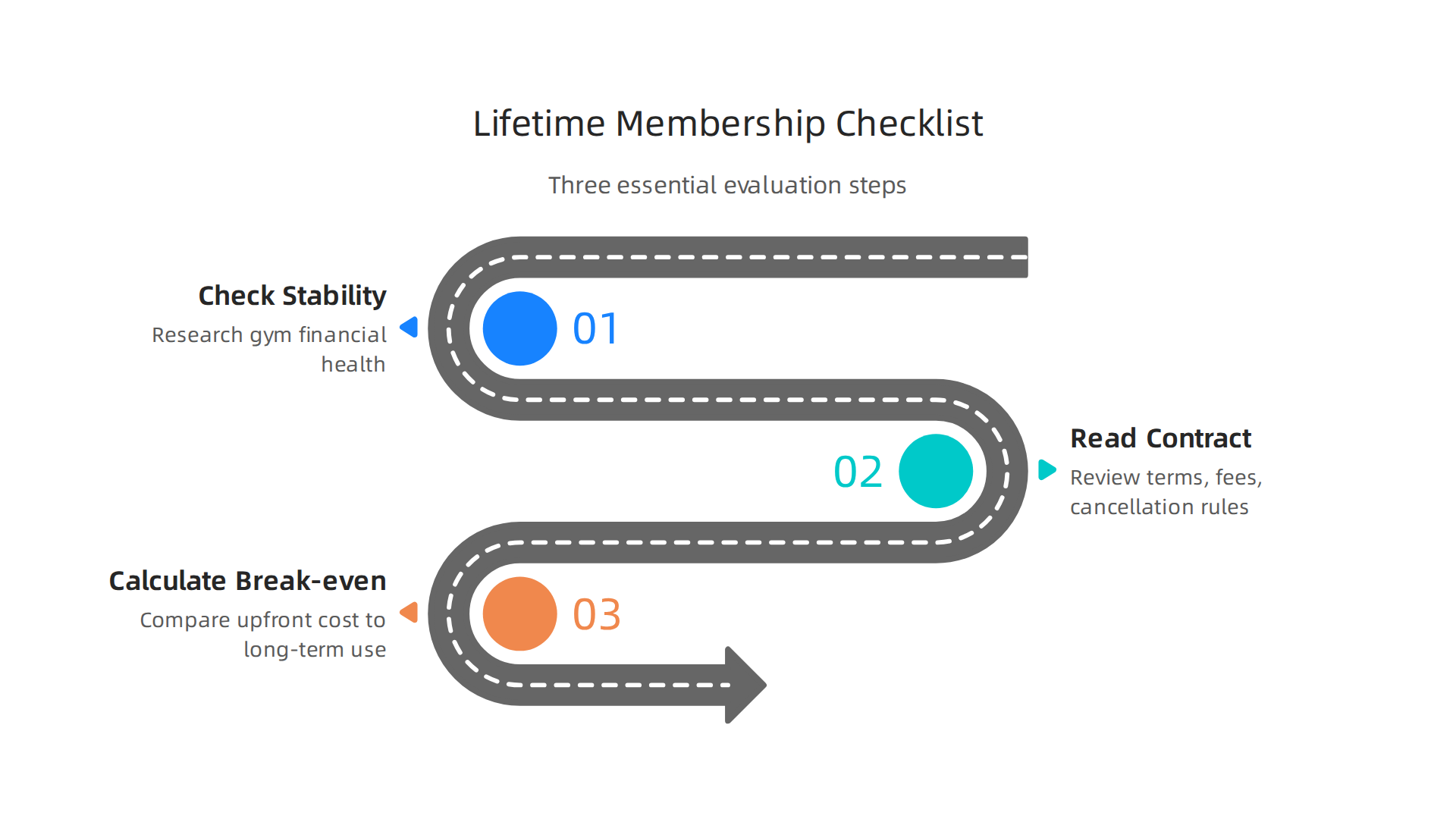
So you are looking at a lifetime gym membership and wondering if it is a good deal. Before you hand over your credit card, take a few smart steps.
A little research now can save you from a big headache later.
Step 1: Research the gym chain’s financial health.
Not every gym that offers a lifetime membership will be around for your lifetime. Some chains close locations, file for bankruptcy, or simply vanish. Check how many years the company has been in business. Read online reviews and look for complaints about sudden closures. In Illinois, lawmakers had to close a loophole because some gyms used "lifetime" memberships in ways that did not match state law. Always verify the gym is stable and trustworthy before you commit.
Step 2: Request and read the full contract.
Do not skip this part. Look for clauses about transferring your membership to someone else. Check what happens if the gym closes or moves. Find out the cancellation policy. Some gyms require a notice period or make it hard to stop payments. For example, Life Time offers members the option to suspend access or switch to a digital plan instead of canceling. State laws also matter. In 2026, many states give you a few business days to cancel any high-value contract. Knowing your rights helps you avoid getting stuck.
Step 3: Calculate the break-even point.
Do the math with your own habits. How many times do you actually go to the gym each month? Compare the lifetime fee to what you would pay for the cheapest gym membership or an affordable fitness club over five years. If the lifetime deal costs more than your actual visits, it is not worth it. A comparison of membership options can help you see which pricing model fits your routine best.
Take your time with these three steps. A smart decision now means you can enjoy your workouts without worrying about the fine print.
Alternative Strategies: Long-Term Annual Plans vs. Lifetime Buy-Ins
If the lifetime gym membership still feels risky after your research, you are not alone. Many smart exercisers skip the big upfront fee and go with a different approach. Here are three alternatives that can give you similar savings without the long-term strings.
Annual prepaid plans are a great middle ground. Instead of paying once for life, you pay for one full year at a discount. This keeps your options open. If your life changes, you can switch gyms or cancel at the end of the year. Some affordable fitness clubs even offer prepaid annual rates that work out cheaper than their monthly options. With a lifetime membership, you gamble on staying committed forever. With an annual plan, you only bet on yourself for 12 months. And looking at the latest gym membership statistics for 2026, more people are choosing flexible options that match their changing routines.
Multi-year deals (like 3 to 5 years) can also work well. Some chains offer a discount if you commit to three or five years upfront. The savings are real, but the risk is much lower than a lifetime buy-in. You are not promising to visit the same gym when you are 60. You are just locking in a good rate for a few years. That makes multi-year plans one of the smarter choices if you want a cheaper gym membership without signing your life away.
Do not forget about the home gym option. If you have space in your garage or spare room, buying your own equipment can beat any membership in the long run. A few dumbbells, a bench, and a cardio machine might cost less than a lifetime fee. Plus, you never deal with crowded parking lots or waiting for machines. If you want to build a home setup that works, sites like RepCore offer honest reviews of fitness gear and supplements to help you make smart choices.
At the end of the day, the best gym membership affordable for you depends on your habits. But these alternative strategies give you flexibility that a lifetime contract simply cannot offer.
Red Flags and Scams: How to Spot a ‘Too Good to Be True’ Offer
Imagine paying thousands of dollars for a lifetime gym membership only to show up one day and find the doors locked.

It happens more often than you think. Scammers know that people love the idea of paying once and never worrying about monthly fees again. But here is the truth: if a deal sounds too good to be true, it probably is.
Common scams to watch out for
Some gyms sell lifetime memberships and then close their doors within a year or two. You are left with nothing but a receipt and a locked building. In fact, lawmakers are paying attention to this problem. An Illinois bill proposed in 2025 aims to force gyms to clearly show if your lifetime benefits can shrink or if costs can go up over time. That is a sure sign that shady offers are out there.
Another dirty trick is transfer restrictions. You buy a lifetime pass thinking you can sell it if you move. But the fine print says the membership cannot be transferred to anyone. Ever. So if you relocate, your money stays with the gym. You get zero value from it.
Warning signs of a bad deal
You can protect yourself by spotting a few red flags early. Here is what to look for:
- High-pressure sales tactics. If the salesperson tells you this deal is only good today, walk away. Legit offers do not expire in 24 hours.
- Refusal to provide a written contract. Any gym that will not let you take a contract home to read is hiding something. Always get everything in writing before you pay.
- No Better Business Bureau listing. Check if the gym has a BBB profile. A clean record is a good sign. No listing at all can mean the business is brand new or has changed names to avoid bad reviews.
- Vague cancellation policy. Some gyms make canceling nearly impossible. The Federal Trade Commission has even taken action against major chains like LA Fitness for making it too hard for people to cancel their memberships.
FTC complaints and how to report
Gym membership fraud is a real problem. Each year, the FTC receives thousands of complaints about fitness clubs. These include fake free trials, hidden fees, and memberships that never end. If you think a gym tricked you, report it to the FTC at consumer.ftc.gov.

You can also check the FTC’s consumer alerts for 2026 to stay updated on the latest scam trends.
Do not let excitement override your gut. A legitimate gym with a strong reputation will let you take your time. If you want to build your own home setup instead of risking a shady contract, check out trusted options from sites like RepCore that review fitness gear and supplements honestly.
Summary
This article explains the promise and pitfalls of lifetime gym memberships so you can decide with confidence. It defines different types of "lifetime" deals, breaks down the math versus monthly and annual plans, and shows how opportunity cost and inflation change the real value. You’ll learn which contract clauses to inspect—transferability, cancellation rules, and closure or bankruptcy language—and why state laws and cooling-off periods matter. The guide profiles who is likely to benefit (steady, long-term gym-goers who don’t plan to move) and who should avoid locking in. It also covers the psychology behind prepaid commitments, gives a three-step evaluation checklist, and offers safer alternatives like annual or multi-year plans and home gyms. Finally, it lists red flags and common scams so you can protect your money before you sign anything.






Get practical training, recovery, and nutrition insights in your inbox