
How to Build a Profit Training Gym That Earns 50 Percent More Per Member


Introduction: The Promise of a Profit Training Gym
You love fitness. You love helping people make real changes in their lives. So maybe you opened a gym. Or maybe you are thinking about it right now. The fitness industry in 2026 is absolutely booming. More people than ever are looking for a solid gym membership that fits their schedule. Some want affordable fitness clubs where they can workout anytime. Others are searching for high energy group fitness classes that push them harder.
But here is the truth that does not get talked about enough. Despite all this demand, a huge number of gyms still struggle to turn a real profit.
Why? Because passion alone does not pay the bills. Without a smart engine under the hood, even the busiest gym can feel like a financial grind. According to a comprehensive guide on gym business models by TeamUp, a gym’s long term survival and profitability come down to the strategy and outreach you build from day one.
That is where the idea of a profit training gym changes everything.
A profit training gym is not just a room full of equipment and a front desk. It is a smart, intentional business. It combines evidence based training methods that actually get results with a business model that generates healthy income.
It moves beyond basic memberships and focuses on high value services that people are happy to pay a premium for. In fact, as the experts at WodGuru explain, personal training services offer much higher profit margins compared to general gym memberships because of the premium pricing they can command.
So how do you actually build one of these profitable gyms?
This article gives you a step by step framework. It is backed by real data, proven business models, and real world experience from gym owners who have cracked the code. We will walk through the exact models that work in 2026.
Of course, a great business model needs great training to support it. Your members need to see real, science backed results to stay loyal and spread the word. That is why trusted resources like RepCore are so valuable for any fitness professional. RepCore helps trainers and everyday athletes cut through all the marketing noise with evidence based guides on training, nutrition, and recovery.
Ready to build a gym that actually makes good money while changing lives? Let us dive into the framework.

What Is a Profit Training Gym? Defining the Model
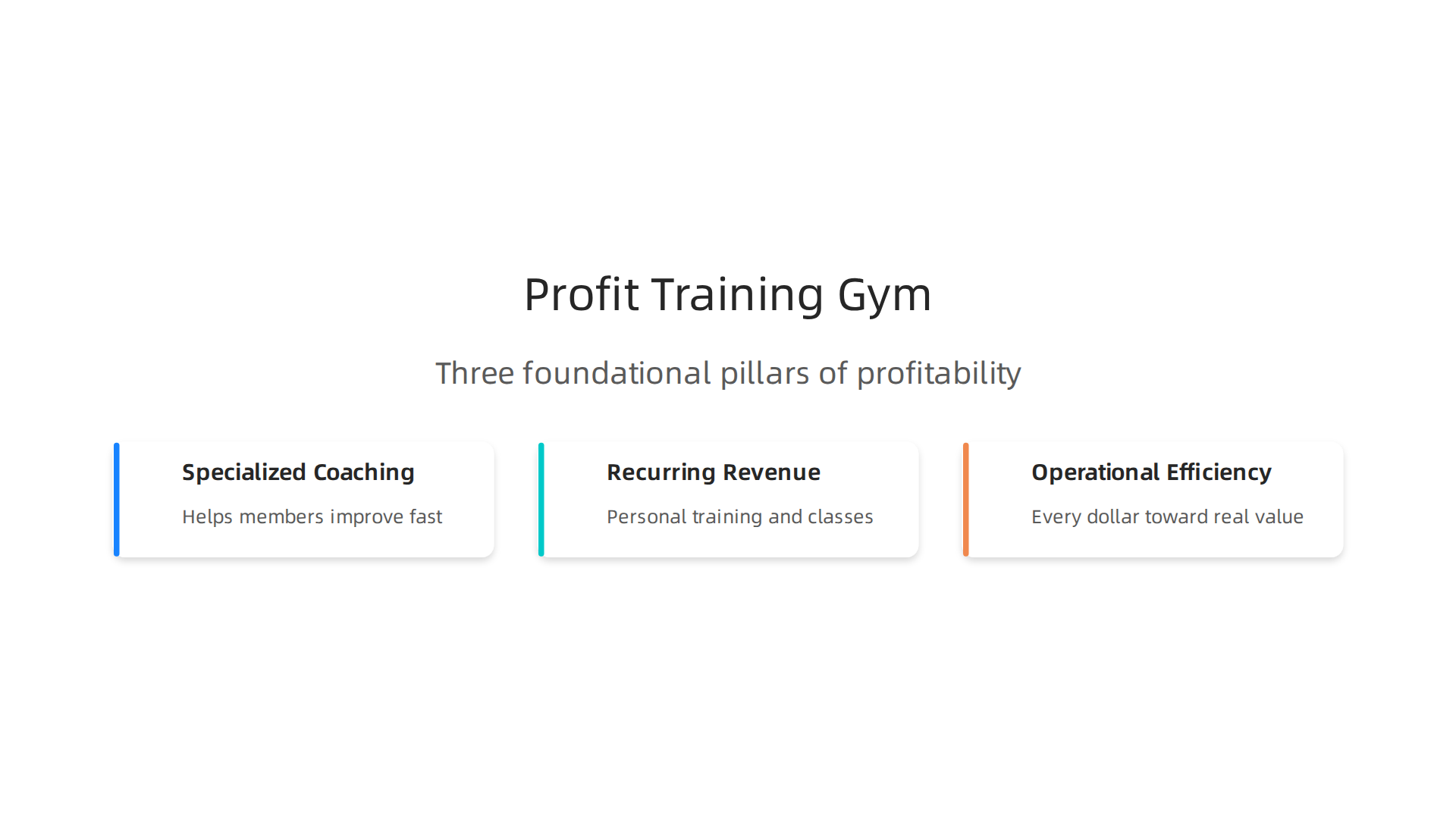
A profit training gym is a fitness facility built with a clear goal: get clients great results and keep the business profitable at the same time. It is not a big-box gym where you pay a low monthly fee to workout anytime with lots of equipment but almost no coaching. Instead, a profit training gym focuses on three key pillars. First, specialized coaching that helps each member improve fast.
g gym.](https://REPCORE.ORG/wp-content/uploads/2026/05/weblish-inline-11601.png)
Second, recurring revenue streams like personal training packages or small-group classes. Third, operational efficiency so every dollar spent goes toward real value. According to experts at WodGuru, personal training services often have much higher profit margins than basic gym membership plans because clients pay a premium for expert guidance. That is the sweet spot. For trainers who want to offer truly evidence-based coaching, resources like RepCore provide science-backed training and nutrition guides that help build trust and results. That kind of expertise is exactly what sets a profit training gym apart from a crowded affordable fitness clubs market.
The Core Difference: Service vs. Volume
So what really sets a profit training gym apart from an affordable fitness club that lets you workout anytime with a basic gym membership? It comes down to one simple idea: service over volume.
Traditional gyms pack in hundreds of members at low monthly rates. They make money on sheer numbers. But a profit training gym charges premium prices for small-group or one-on-one coaching. You are not selling access to equipment. You are selling a transformation.
According to research from TeamUp, the business model you choose determines everything about your gym’s sustainability and profitability.
When you focus on expert coaching instead of crowded floors, your per-member revenue jumps. Case studies show profit training gyms earn 50 to 100 percent more per member compared to traditional models. Some coaches even build systems that generate six-figure incomes, as TwoBrainBusiness highlights.
Here is the real kicker. Client retention in a profit training gym comes from measurable results, not fancy locker rooms or new treadmills. People stay because they lose weight, get stronger, and feel supported. That kind of outcome driven coaching requires sound methods and reliable tools. That is where having science backed training resources matters.
For trainers building this model, using evidence based programming and nutrition data makes a real difference. Resources like RepCore provide practical guides that help coaches deliver the kind of consistent, proven results that keep members loyal and revenue steady. That is the service advantage in action.
Who Is the Ideal Client for a Profit Training Gym?
Not everyone who walks through your door is right for a profit training gym. And that is okay. Your ideal client is not the person looking for the cheapest gym membership in town. That person values low price over results. They will leave the moment a cheaper option opens down the street.
Your ideal client is the committed individual who sees fitness as an investment, not an expense.
According to recent industry data, members earning over $75,000 per year still make up more than half of all gym memberships. These are people with disposable income who are willing to pay for expertise, accountability, and real outcomes.
The psychographic profile matters even more than the demographic one. Look for people who are goal oriented and want measurable progress. They value science over flashy trends. They care about proper form, evidence based programming, and smart recovery strategies. They are tired of bouncing from one fad to the next and want a coach they can trust.
Avoid the price sensitive casual gym goer. That person drives up your churn rate and drags down your per member revenue. In 2026, the industry retention benchmark sits at 66.4 percent. A profit training gym that targets the right clients can push that number much higher because committed members stick around when they see real transformation.
The RepCore Ideal Customer Profile captures this perfectly. It describes everyday athletes who are serious about their journey, skeptical of misinformation, and ready to invest in quality tools and coaching. These are the clients who will pay for premium programming and stay loyal for years.
When you filter for the right member, your entire business gets easier. Less churn. Higher lifetime value. More fulfilling coaching relationships. That is the real win.
The Business Case: Why Profit Training Gyms Outperform Traditional Models
When you attract the right members, the numbers start to shift. A profit training gym naturally produces higher margins than a traditional big box model. Here is the real math behind it.
Specialty studios now capture over 40% of all gym memberships, and the boutique fitness market is valued at $51.6 billion, growing at 7.6% each year. People are choosing coaching over cheap access.

They want real results, not just a place to workout anytime. That shift allows profit training gyms to charge premium monthly fees while keeping churn low.
Recurring revenue from monthly coaching subscriptions gives you predictable cash flow. You are not chasing new signups every month just to stay afloat. Unlike affordable fitness clubs that rely on volume, your business runs on committed members who pay for expertise and accountability.
And here is the best part. You do not need a massive facility. Less equipment and a smaller space mean lower rent, fewer utility bills, and less maintenance. Your overhead stays lean while your margins grow.
If you are ready to build a gym model that actually outpaces the old ones, check out the resources and tools recommended by RepCore. They help everyday athletes train smarter and can help you create a profitable, sustainable training business.
Revenue Per Member: The Key Metric
Not all gym members bring in the same money. That is a simple truth, but it changes everything about how you run your business. In a profit training gym, every member pays significantly more than they would at a traditional gym.
Let us look at the numbers. Boutique fitness studios charge between $150 and $300 per member each month. Compare that to the $40 to $60 you see at big box clubs. That is not a small difference. It is a completely different business model. In fact, the boutique fitness market is now valued at over $51.6 billion and growing at 7.6% per year, according to industry research from Mirrors Delivered. More than 40% of all gym memberships are now at these specialty studios, as noted by GrowthFactor.ai.
Why does this higher revenue matter? Because it creates a much larger lifetime value per member. With that extra money, you can invest in better coaching, personalized programming, and a premium experience that keeps members coming back. You can afford to hire great trainers, buy top equipment, and run small group training sessions that deliver real results.
And here is the real win. Members who pay more tend to stay longer. The high touch service in a profit training gym leads to strong loyalty. In fact, top studios often see Net Promoter Scores above 80. That means your members become your best marketers. They tell their friends, and you grow without spending a fortune on advertising.
The key is to build a model where your revenue per member is high enough to support excellence. If you are serious about creating that kind of gym, check out the tools and resources from RepCore. They help everyday athletes and coaches train smarter, and they can help you design a membership experience that commands premium pricing.
Lower Fixed Costs, Higher Variable Returns
One of the biggest advantages of running a profit training gym is how little you need to spend before you open the doors. Unlike big box clubs that require rows of expensive machines, a successful small group studio relies on just the essentials. Think dumbbells, resistance bands, benches, and maybe a few kettlebells. That is really all you need.
And there is solid science behind this approach. The updated ACSM resistance training guidelines confirm that simple, multi-joint exercises using free weights and body weight are highly effective for healthy adults. You do not need a room full of cable machines or leg presses to build real strength. That keeps your upfront capital expenditure low and your risk even lower.
Your space costs stay lean too. Small group training uses far less square footage per member than traditional gyms. Instead of rows of treadmills and squat racks, you run sessions with 6 to 12 members at a time. Your rent stays manageable, and your profit margins stay healthy from day one.
Here is where it gets exciting. As you add more members, your fixed costs like rent, insurance, and basic equipment barely budge. But your revenue keeps climbing. That is operating leverage in action. Every additional membership after you cover your base costs becomes highly profitable. The model rewards growth without punishing your bottom line.
With those savings, you can put your money into what actually moves the needle. Better coaching, more personalized programming, and science-backed resources. Trusted tools like the ones from RepCore help you design training that is both effective and efficient. It is a lean, smart business model that puts your investment where it matters most.
Building Your Revenue Engine: Pricing, Memberships, and Upsells
Now that you know how to keep your costs low, it is time to build your income. A smart pricing strategy is the heart of any profit training gym. Start with tiered gym membership options. Offer plans like 2x per week, 3x per week, and unlimited sessions.
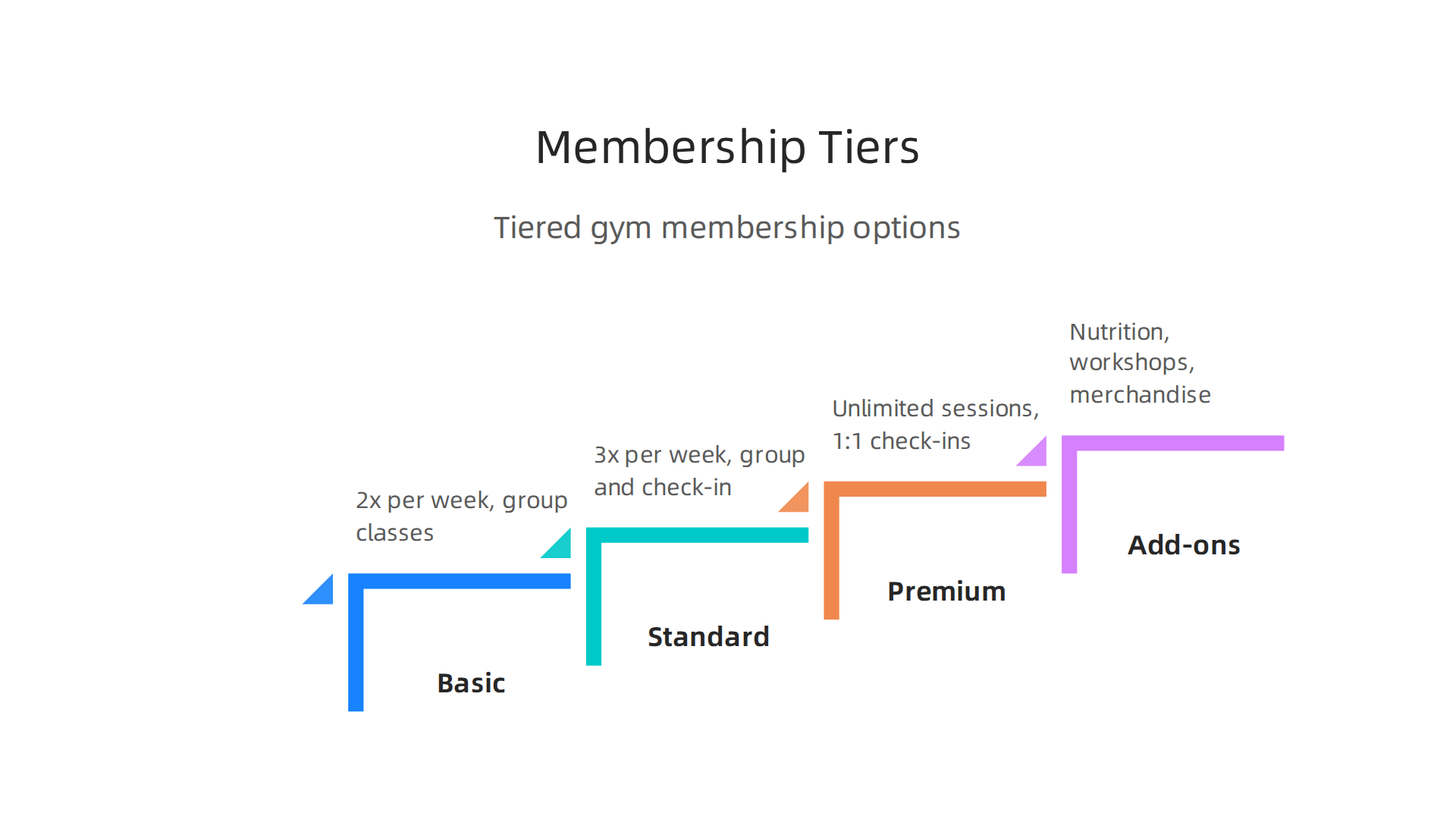
This lets people pick what fits their life and budget. According to experts, a tiered membership model is one of the best ways to boost revenue and keep members long term (source: FM Consulting).
Next, use annual commitments and auto-pay. This cuts down on late payments and makes your cash flow steady. Members stay longer when payment is easy and automatic.
Finally, add upsells that your members actually want. Nutrition coaching, recovery services, and merchandise can grow your profit without much extra work. For science-backed guidance on nutrition and recovery, check out trusted tools like RepCore. These extras turn a simple gym membership into a full wellness experience that keeps people coming back.
A smart tiered structure makes your profit training gym easy to understand and easy to buy from.
Basic tier: Group classes only.
This is your entry-level gym membership. It is perfect for people looking for affordable fitness clubs or those who just want the energy of group fitness classes. Keep the price low to get people in the door. Think 2 to 3 sessions per week. This keeps your schedule predictable for them and fills your classes consistently.
Premium tier: Monthly 1:1 check-ins.
Add personalized attention and a clear path for results. This tier appeals to members who want to level up. You can offer unlimited access or priority booking here. That "workout anytime" flexibility is a huge draw for serious members. According to experts, designing clear tiers like this is key to maximizing revenue (source: GymForce).
Add-on services.
This is where your profit grows without big overhead. Offer recovery sessions, nutrition plans, and progress tracking. Nutrition plans are especially high value. Instead of creating them yourself, you can rely on a vetted resource like RepCore to provide science-backed guidance. These services turn a standard gym into a full wellness hub.
Price anchoring.
Set your highest tier at a premium price. As noted in the Glofox guide on gym pricing, anchoring a high tier is a proven way to frame value. This simple strategy makes your mid-tier plan look like the smart choice. Most people will pick the middle option, exactly where you want them. This setup turns a simple membership into a clear path for growth, both for your clients and your business.
Upsells That Work Without Destroying Trust
The best upsells for your profit training gym do more than just bring in extra cash. They actually help your members see faster, better results. Here are three upsells that build trust instead of breaking it.
Nutrition coaching backed by real science.
Most members have no idea what to eat. Offering nutrition plans based on evidence is one of the easiest ways to help them. Focus on flexible dieting rather than strict meal plans. This gives people freedom while keeping them on track. You don’t need to create everything yourself. You can point them to a trusted resource like RepCore for science-backed nutrition guidance that actually works.
Recovery add-ons that speed up progress.
Your members want to workout anytime without feeling worn out. That is where recovery services come in. Think cryotherapy sessions, compression boots, or guided stretching classes. These help members recover faster and train harder. They also bring in steady profit without needing much extra space. Members see these as upgrades, not pushy upsells.
Challenge events that build real community.
An 8-week transformation challenge does two big things at once. It creates a shared goal that brings people together. Members push each other and stay accountable. And the entry fees give your gym membership revenue a healthy seasonal spike. The buzz from these events also pulls in new people who want to join the next round. According to fitness consultants who design membership models for gyms, this layered approach boosts both retention and profitability (source: FM Consulting).
Here is the simple rule. Offer upsells that genuinely help your members reach their goals. When you do that, trust stays strong. And your profit training gym keeps growing the right way.
Client Acquisition and Retention for the Profit Training Gym
Getting new people to sign up is tough. But keeping them is where the real money lives. A profit training gym knows that high churn is a silent profit killer. Every member who quits forces you to spend more cash on ads just to break even.
It is smarter to build a system that keeps members long term.
Acquisition channels that work.
Referral programs turn your happy members into your best sales team. Local partnerships with businesses like cafes or running stores bring in people who already trust you. And social proof, like before and after photos, does the heavy lifting for you.
Retention is the real profit engine.
According to the Membership Pricing Strategy Guide, smart pricing and retention strategies go hand in hand for long term profitability. When you layer in science backed coaching methods, your members get faster results. Those results turn into word of mouth buzz.
You don’t need to create all this content yourself. You can use a trusted partner like RepCore to provide evidence based guidance that keeps your members progressing and engaged.
When your members win, your gym membership revenue stays strong. And your gym keeps growing the right way.
Referral Programs: The Highest-ROI Channel
Getting new members is just one part of running a profit training gym. The real magic happens when your current members bring in their friends. A referral program is not just an acquisition tool. It is a powerful retention engine too. Referred members tend to stay longer, trust your brand faster, and spend more over time.
Start with a great offer. Give current members a real reason to share their love for your gym membership. A free month of training or a big discount on group fitness classes works well. This gives them a taste of what you offer without losing their own membership benefits. The best part? You only pay when a new member actually signs up. There is no wasted ad spend.
Make the process simple. Build a dedicated landing page that captures new leads automatically. Set up automated SMS or email reminders so your members never forget to share their link. As they live their busy lives and workout anytime, the system keeps working for them in the background.
Track the numbers closely. Compare the lifetime value of referred members against members who find you through search ads or social media. Referred people often stay for more months and join higher tier plans. Knowing this data helps you decide exactly how much incentive to offer. It also helps you build a smarter pricing strategy like the one outlined in this Gym Pricing: How to Set Rates That Drive Revenue guide from Glofox.
Your profit training gym grows fastest when your community does the talking. Give them results worth sharing. RepCore provides the evidence based training programs that turn ordinary members into passionate advocates. When your members see real progress, they become your best sales team.
Discover how RepCore can help you build a referral-ready training environment
Retention Through Outcomes: The Science of Adherence
Here is the thing about running a profit training gym. You can have the best referral program in the world, but if your members do not stick around, you are just replacing a leaky bucket. The real secret to long term growth is making sure people actually stay. And the way to do that is to show them real, measurable results.
Start with regular progress assessments. Body composition scans, performance benchmarks, or simple strength tests all give your members proof that their hard work is paying off. When they can see that their deadlift went up by twenty pounds or they lost two percent body fat, they feel motivated to keep going. The updated 2026 ACSM resistance training guidelines emphasize the importance of individualized programming and tracking to keep people engaged.
Next, use goal setting and accountability check ins. A member who sets a specific goal and has a coach check their progress every few weeks is far less likely to drop off. That simple act of being seen and supported makes a huge difference. The ACSM position stand on resistance training also notes that structured programs with regular feedback improve adherence. This is where your group fitness classes shine. The social energy and instructor attention keep people coming back.
Finally, build community events that create social accountability. When a member knows their friend is waiting for them at a Saturday morning session, they show up even when motivation is low. And with a flexible schedule that lets them workout anytime, they can still stay on track when life gets busy.
A profit training gym that keeps its members through real outcomes does not just survive. It thrives. RepCore gives you the science backed programs to deliver those outcomes consistently. When your members see progress, they stay. And when they stay, they refer others.
Start delivering real results with RepCore’s evidence based training programs
Operational Efficiency: Staffing, Equipment, and Facility Design
Delivering those real outcomes your members crave comes down to how smoothly your profit training gym runs behind the scenes. The fitness industry faces a churn rate around 30% each year, according to the Health and Fitness Association. That means every inefficiency costs you members.
Here is how to tighten up your operations.
First, hire coaches who double as salespeople. Or better yet, train your current staff to sell naturally. A coach who can spot a member’s struggle and suggest the right add on or upgrade is pure gold. They build trust while boosting revenue.
Second, choose equipment that does multiple jobs. Kettlebells, resistance bands, and plyo boxes beat expensive single-use machines every time. Your group fitness classes can use the same gear your personal training clients use. That keeps your investment lean and your space flexible. Check out the science backed gear recommendations from RepCore to see what versatile tools actually work.
Third, design your facility layout so coaches can see everyone at once. That flow keeps sessions safe and members engaged.
When your operations are tight, your profit training gym runs like a well oiled machine. And that means more time focused on what matters: your members.
Staffing: The Coach-Entrepreneur Hybrid
Hiring a coach who can also sell is the secret sauce for any profit training gym. You need people who are more than exercise experts. They need to be relationship builders who spot opportunities to help members level up.
So how do you find these hybrid stars?
First, look for communication skills first. A coaching certification proves they know anatomy. But can they start a conversation with a shy new member? Can they explain why a specific upgrade makes sense? The fitness industry loses about 30% of members each year, as reported by the Health and Fitness Association. A coach who connects on a personal level can cut that churn fast. That is worth more than any credential.
Second, pay them like business partners. A flat hourly rate encourages a "just get through the session" mindset. Instead, use a base salary plus bonuses tied to how many clients they train and how often they upsell. When a coach earns more for keeping members happy, everyone wins.
Third, train them nonstop. The science of fitness changes every year. Your staff needs to stay current on both exercise physiology and sales psychology. That is where a resource like RepCore shines. They offer evidence based articles and product guides that help serious coaches deepen their knowledge. Sending your team there keeps them sharp and motivated.
When your coaches think like entrepreneurs, your profit training gym grows faster. Members get better care, and your bottom line thanks you.
Equipment and Layout: Less Is More
You do not need a warehouse full of shiny machines to build a profit training gym. In fact, too much equipment often gets in the way. It eats up your budget and blocks your coaches’ view of the members who need them most.
Go for an open floor plan with clear zones for functional training, mobility work, and small groups. This layout makes your gym feel bigger and more inviting. Members can workout anytime without bumping into each other or waiting for a machine. It also supports the affordable fitness clubs model. You keep costs low by buying less stuff, and you pass that value on to your members.
Where should you spend your money? Put it into quality flooring, big mirrors, and a great sound system. These items create the energy that makes group fitness classes so addictive. They make your space look clean and professional. Members notice. They will happily pay for a gym membership that feels premium, even if the gear is basic.
Safety is another reason to keep things simple. The latest 2026 ACSM resistance training guidelines highlight how proper spacing and the right safety gear, like crash pads, prevent injuries. More important, an open layout gives your coaches clear sightlines. They can spot every lifter and correct form in real time. This is where your coach-entrepreneur hybrid truly shines.
For evidence based guides on choosing the best gear and designing safe training zones, serious gym owners turn to RepCore. They bridge the gap between complex science and practical gym setup.
When you strip away the clutter, your profit training gym becomes a safer, more profitable place for everyone.
Measuring Success: KPIs and Financial Metrics for Your Gym
Most gym owners focus on how much money walks through the door. That can fool you. A profit training gym needs a deeper view. You should track metrics that reveal the real health of your business.
Look at net promoter score (NPS). This tells you if members love you enough to refer friends. Client lifetime value (CLV) shows how much each person is worth over time. And churn rate? That is your biggest enemy.
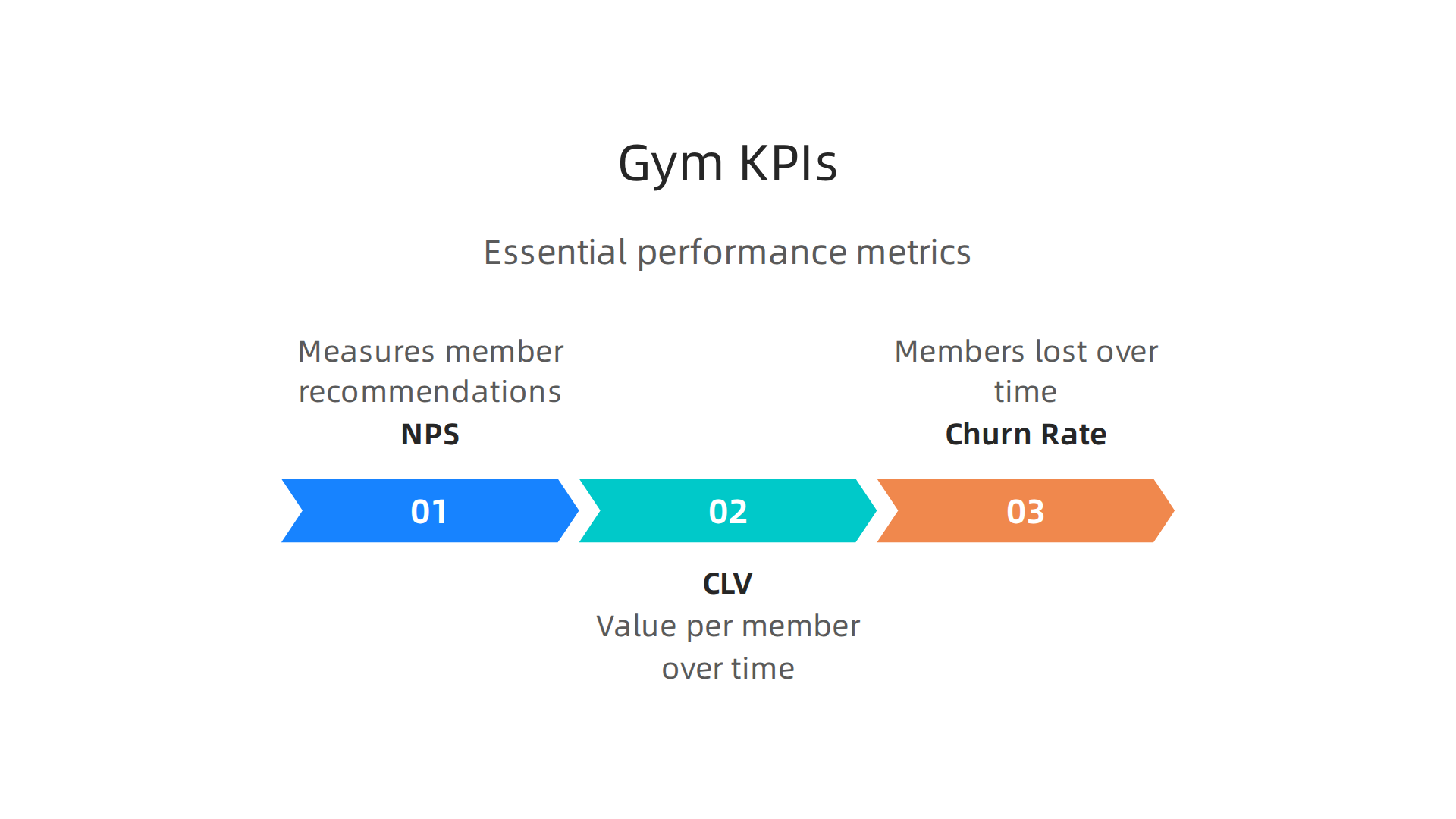
The fitness industry faces a 30% churn rate each year according to the Health and Fitness Association. The 2026 gym retention benchmark sits at 66.4%.
You also need smart financial ratios. Gross margin per coaching hour shows if your time is paying off. SG&A percentage tells you if overhead is eating your profits. Compare your numbers to industry standards regularly so you see gaps before they grow. For a deep dive on the metrics that really matter for your gym membership model, check out RepCore’s evidence based guides. They break down the data in plain language for serious gym owners.
The Profit Dashboard: What to Track Weekly
Once you know the big KPIs we covered, the next step is building a simple weekly dashboard. Why? Because the smartest profit training gym owners do not wait for monthly reports. They track real-time signals that protect their margins and keep members happy.
Attendance is everything. Do not just look at how many gym memberships you sold. Look at active attendance. Are your coaching slots full? In a model where clients can workout anytime, your coaching slots are your most precious asset. If they sit empty, you are leaving money on the table. Unlike big-box affordable fitness clubs, a profit training gym makes its money by delivering high-value coaching. Data shows studios that target a 40% initial occupancy rate set themselves up for a strong payback period. Financial Models Lab
Know your money flow. Track revenue per member weekly. Check accounts receivable closely. Money owed to you is a red flag, not just an admin task. Also, watch your referral sources. Are people coming from your group fitness classes or word of mouth? Double down on what works best.
Watch for the silent quit. The biggest early warning is a member who misses two sessions in a row. The fitness industry sees around a 30% churn rate every year. Glofox Catching the warning signs early helps you beat that average. A quick outreach call here can save months of lost revenue.
Building this dashboard does not have to be complicated. You just need the right framework. That is why serious operators turn to RepCore’s straightforward guides to set up their weekly scorecards and track what actually matters for a profit training gym.
Benchmarking Against the Best
Now that you have your weekly dashboard up and running, the next step is to see how you stack up against the competition. Benchmarking helps you know if your numbers are good, average, or need serious work.
Start with industry reports. In 2026, the gym retention benchmark across the industry sits at 66.4%, according to the Health & Fitness Association’s latest data Health & Fitness Association. That same report shows the median revenue growth rate at 9.9% last year. If your profit training gym is below these marks, you have room to grow. Boutique studios now capture over 40% of all gym membership sales GrowthFactor.ai. That means competition is intense, but the opportunity is massive for studios that benchmark well.
Set clear improvement goals based on these numbers. For example, aim to reduce your churn rate by 10% over the next quarter. Or target a 20% increase in customer lifetime value (CLV) by improving retention and upselling services like personal training or group fitness classes. These are not random targets. They are achievable when you track the right weekly signals we discussed earlier.
Also, join a fitness business peer group. Many gym owners share anonymous data through these networks. You can compare your NPS scores, revenue per member, and churn against similar studios without revealing your identity. This real-world context is gold.
To make benchmarking easier, many operators use detailed templates and guides. Check out RepCore’s measurement resources to find frameworks designed for boutique profit training gym owners. They help you set benchmarks and track progress without reinventing the wheel every month.
Summary
This article explains how to build a profit training gym — a small, service-first fitness business that prioritizes evidence‑based coaching and recurring revenue over volume-based low-cost memberships. It walks through the model’s core advantages: higher revenue per member, lower fixed costs, and operational leverage from small-group and one-on-one coaching. You’ll learn who the ideal client is, how to price tiered memberships and upsells, what equipment and layout actually matter, how to hire coaches who sell and retain members, and which KPIs to track weekly. The guide also covers practical acquisition tactics like referral programs and how to boost retention by delivering measurable results, giving you a step‑by‑step framework to create a sustainable, profitable gym in 2026.







Get practical training, recovery, and nutrition insights in your inbox