
How to Choose the Best Zinc Supplement for Athletes and Active People

Introduction: Why Trust Matters When Choosing a Zinc Supplement
You train hard. You watch your macros. You make sure to get enough sleep. But sometimes, progress just stops.

Or you feel run down and catch every cold that comes around.
The missing piece might be a simple mineral called zinc.
Zinc is a critical tool for anyone serious about fitness. It helps your muscles repair after a tough workout. It plays a direct role in keeping your hormones balanced. And it is essential for a strong immune system. In fact, research shows that athletes with strong immune systems recover faster and get back to training sooner.
Here is the problem. The market is flooded with options. Pills, gummies, powders. Zinc gluconate, picolinate, citrate. With all the hype, it is nearly impossible to know which product is the real deal.
That is exactly why we wrote this guide.
We want to give you a science-backed framework for choosing a zinc supplement you can actually trust. No guesswork. No marketing fluff. Just clear, useful advice to help you find the best zinc supplement for men and women who train with purpose.
If you are tired of wasting money on supplements that do not work, you are in the right place. Let us start by understanding exactly what zinc does for your body.
Why Zinc Is Non-Negotiable for Athletes
So why does this one mineral matter so much for your training? The answer is in the biology of your own body.
Zinc acts as a helper for more than 300 different enzymes. Think of it as a key that unlocks chemical reactions inside your cells. Without enough zinc, your body struggles with protein synthesis. That is the process your muscles use to repair and grow after a hard workout. It also plays a part in DNA repair, which keeps your cells healthy and ready for the next session. A 2020 review in Redox Biology highlights that zinc has catalytic, structural, and signaling functions that affect many cellular processes, and a deficiency can lead to real problems for athletes.
If you push yourself hard in the gym, your immune system takes a hit. Intense training creates stress that can open the door to sickness. That is where zinc steps in. This mineral is essential for your immune system to work properly. It helps your body fight off infections and keeps inflammation in check. Research from the Human Kinetics journal shows that zinc promotes wound healing and helps maintain skin integrity, which is your body’s first line of defense. Athletes who keep their zinc levels strong are better able to stay healthy and recover faster from tough workouts.
Then there is the hormonal side. Zinc is crucial for testosterone production. Testosterone drives muscle growth, strength, and recovery. Studies have shown that men who are low in zinc often have lower circulating testosterone levels. Supplementation can partially restore those levels, giving your gains a real boost.
For anyone serious about performance, running low on this mineral means leaving results on the table. That is why choosing the right zinc supplement matters. A quality option like this one can help fill the gap when your diet is not enough. Pair it with other essentials like a good magnesium supplement or a vitamin c supplement for a more complete recovery stack. But zinc is the foundation. Do not skip it.
The Hidden Deficiency Risk: Zinc Levels in Active Individuals
But even the best diet can fall short for an active body. There is a hidden gap that many athletes miss entirely. Your zinc levels can drop without you feeling a single symptom, right up until it starts hurting your performance. Let us look at why active people face a higher risk and how to stay on top of it.
Here is the simple truth. You lose zinc when you sweat. A lot of it. Research shows that athletes lose significant amounts of this mineral through sweat, which puts you at a much greater risk for deficiency.

On top of that, your body burns through extra zinc to repair muscle fibers and manage oxidative stress after tough workouts. This constant turnover means your body’s zinc tank empties much faster than someone who lives a mostly sedentary life.
This leads to a tricky problem known as subclinical zinc deficiency. Basically, your levels are low enough to slow you down, but not low enough for a standard blood test to catch it easily. Studies confirm that low zinc status is surprisingly common in athletes. This hidden drain can quietly sap your energy, slow your recovery, and disrupt your hormones before you ever connect the dots.
How do you know if you are affected? Look for these warning signs:
- You get sick more often than your training partners.
- Your muscles feel sore for days after a workout.
- You feel unusually tired or low on energy.
- Your sense of taste or smell is off.
- Your strength gains have stalled.
The fix is simple but requires consistency. You need to hit a higher zinc target every day. Red meat, shellfish, and pumpkin seeds are great sources. But eating enough of these daily is hard. Even if you eat a lot of chicken or eggs, the zinc from plant sources is harder for your body to absorb. This is why a proven zinc supplement is a total game changer for the everyday athlete.
Look for a form that absorbs well, like zinc bisglycinate or picolinate. Our top recommendation for a high-quality zinc supplement checks all the boxes and helps you maintain optimal levels without the guesswork. For the best results, build a full recovery stack. Pair your zinc with a magnesium supplement for better sleep. Add a vitamin c supplement for immune support. And consider vitamin b12 supplements to keep your energy up. Cover your bases, train hard, and recover harder.
Evidence-Based Performance Benefits: What the Science Says
Okay, so we have established that active people are at a higher risk for low zinc levels. But what happens when you actually fix that gap? The results are pretty impressive. Science shows that getting enough zinc, whether through food or a quality zinc supplement, directly boosts how you feel and perform. Let us look at what the research actually says.
Faster Recovery and Less Muscle Soreness
Have you ever done a killer leg day and felt sore for three days straight? That is delayed onset muscle soreness, and it can mess up your training schedule. Zinc helps here in a big way. Studies have shown that zinc supplementation can significantly reduce muscle soreness and speed up recovery after tough workouts. This means you can get back to the gym sooner and with less pain.

Your body uses zinc to repair muscle fibers and calm down inflammation. So taking a best zinc supplement for men or women can be a game changer for recovery.
Better Endurance and Oxygen Flow
Zinc does more than just help you recover. It also plays a role in how you perform during exercise. Your body needs zinc to support healthy oxygen delivery to your muscles. Think of it like this: better oxygen flow means you can push harder for longer. Research also confirms that adequate zinc helps reduce oxidative stress that builds up during intense training. This is why athletes who maintain good zinc levels often notice improved endurance and less of that heavy, tired feeling during cardio sessions.
Stronger Hormonal Balance
Here is a big one that many people miss. Hard training can throw your hormones out of whack. Specifically, it can lower your testosterone and raise your cortisol, the stress hormone. That is a recipe for burnout. But studies have found that athletes who supplement with zinc experience a better testosterone-to-cortisol ratio. This matters because it helps you build muscle, maintain energy, and avoid that drained feeling. A solid zinc supplement can literally help keep your hormones in the right zone for peak performance.
So the evidence is clear. Zinc is not just a nice to have. It is a core piece of the puzzle for anyone serious about their fitness. The trick is using a form that your body can actually use. We suggest starting with a proven source like the high quality zinc supplement we highlighted earlier. Pair it with magnesium supplements for better sleep, a vitamin c supplement for immune support, and vitamin b12 supplements to keep your energy levels high. Cover all your bases and watch your performance climb.
Zinc Supplement Forms Compared: Which Is Best for You?
So you are ready to add a zinc supplement to your routine. Smart move. But now you walk into a store or browse online and see a dozen different types.

Zinc picolinate, zinc citrate, zinc gluconate, zinc oxide. What is the difference? Does it even matter?
It does matter. A lot.
Here is the thing. Not all zinc is created equal. Your body can absorb some forms much better than others. If you pick the wrong one, you might swallow the pill but barely get any benefit. Let me break down the main types so you can choose the best zinc supplement for men or anyone serious about performance.
Bioavailability: The Key Factor
Bioavailability just means how much of that zinc your body can actually use. Some forms slip through your system almost unused. Studies have found that the bioaccessibility of zinc in supplements can range from as low as 1.1% to 9.4%. That is a huge difference. You do not want to be stuck at the low end.
Here is how the common forms stack up:
| Zinc Form | How Well Your Body Absorbs It | Best For |
|---|---|---|
| Zinc picolinate | Very high | General use and athletes |
| Zinc citrate | High | People with sensitive stomachs |
| Zinc bisglycinate (glycinate) | High | Gentle on digestion |
| Zinc gluconate | Good | Budget-friendly option |
| Zinc oxide | Poor | Avoid this one |
Research confirms that zinc glycinate and zinc gluconate are better absorbed than other forms. Another study shows zinc citrate has high bioavailability and also packs a high zinc content at 31%.
On the flip side, zinc oxide is the worst. One source found zinc sulfate absorbed at only 1.13%. Zinc oxide is cheap for manufacturers, but it does little for you.
Cost and Tolerability
You might think, why not just grab the cheapest bottle? Because your stomach will tell you the difference. Some forms, especially zinc oxide and zinc sulfate, can cause nausea or an upset stomach. That is not fun before a workout.
Zinc picolinate and zinc citrate are much gentler. They cost a bit more, but your body will thank you. And since you absorb more, you actually get more value per dollar anyway.
Which Form Should You Pick?
Here is my simple advice:
If you want the best all-around pick, go with zinc picolinate or zinc citrate. These offer high absorption, good tolerability, and solid science backing them up. The experts recommend a dose of 15 to 30 mg of zinc in these forms for enhanced physical performance.
If you have a sensitive stomach, try zinc bisglycinate. It is often called the gentlest option.
If you are on a tight budget, zinc gluconate works fine. Just avoid zinc oxide entirely.
So when you choose a zinc supplement, check the label. Look for picolinate, citrate, or bisglycinate on the ingredient list. That is how you know you are getting something that actually works for your body. We recommend starting with a proven source like this high quality zinc supplement to get the best form without guesswork.
And remember, zinc works even better when paired with other key nutrients. Consider adding magnesium supplements for better sleep and recovery, a vitamin c supplement for immune support, and vitamin b12 supplements to keep your energy levels high throughout the day. Cover all your bases and your performance will thank you.
How Much Zinc Is Right for You? Dosage, Timing, and Interactions
So you picked your zinc form. Good. Now comes the next question. How much should you actually take? And when? Get these details wrong and you might waste your money or worse, mess up your health. Let me keep it simple.
The Daily Numbers You Need to Know
For most people, the numbers are straightforward. The recommended daily allowance is 11 mg for men and 8 mg for women. That is enough to keep your immune system, testosterone, and recovery on track.
But here is the thing. If you train hard, you might need more. Athletes often benefit from a dose of 15 to 30 mg of zinc per day. Studies suggest that this range supports enhanced physical performance. Your body sweats out zinc during exercise, so you lose some that way too. If you eat a plant-based diet, you also need to account for lower absorption from those foods.
The Danger Zone: Do Not Go Overboard
Zinc is not the kind of nutrient where more is better. The tolerable upper intake level is 40 mg per day from all sources combined. That includes food, supplements, and fortified products.
Go above that line and you invite trouble. Nausea, stomach cramps, and vomiting are common. Worse, too much zinc can deplete your copper levels over time. Copper is essential for red blood cell production and nerve health. You do not want to trade one problem for another.
Stick to 15 to 30 mg as a zinc supplement, and you stay safely under the limit. That is the sweet spot for most people.
Timing Matters Too
When you take your zinc changes how well it works. Here is the trick.
Zinc absorbs best on an empty stomach. That means taking it at least one hour before a meal or two hours after. Sounds ideal, right? The catch is that empty stomach zinc can also upset your stomach. Some people feel queasy or nauseous.
If that happens to you, take it with a small amount of food. Not a huge meal. A few crackers or some fruit will calm your stomach without ruining absorption too much.
For athletes, timing around workouts can make a difference. Taking your zinc after your training session helps support muscle repair and recovery. Your body is already primed to absorb nutrients at that time. A post-workout zinc supplement fits perfectly into your routine.
Watch for Interactions
Zinc does not work alone. It can interfere with other minerals if you are not careful.
The biggest interaction is with copper. Long term, high dose zinc can lower copper levels. That is why many quality supplements include a small amount of copper in the formula. Look for that balance.
Zinc also competes with calcium and iron for absorption. So do not take them all at the same time. Space them out by a few hours. And if you take magnesium supplements, vitamin C supplements, or vitamin B12 supplements, try to separate zinc from those too. A simple rule: morning for some nutrients, evening for others.
If you want a no brainer starting point, pick up this high quality zinc supplement that nails the dosage and form right out of the bottle. Then pair it with a good multivitamin or separate magnesium and B12 at different times of day. Your body will absorb everything better and you will feel the difference in your recovery and energy.
You know how much to take and when to take it. But there is a darker side to zinc that most people ignore. Get these details wrong and you could feel worse. Let me walk you through the most common safety traps so you avoid them completely.
The Copper Problem Nobody Talks About
Here is the biggest risk. Take too much zinc for too long and you crowd out copper. They compete for absorption in your body. When zinc wins every time, your copper levels drop. This is called zinc-induced copper deficiency.
According to a report from the New Zealand Medicines and Medical Devices Safety Authority, zinc can strongly inhibit absorption of copper, potentially leading to a real deficiency. Over time, low copper causes problems like anemia, numbness in your hands and feet, and trouble walking.
How much is too much? Taking 50 mg or more of zinc per day for just a few weeks can start this process. That is why experts at the Linus Pauling Institute at Oregon State University recommend staying below 40 mg per day. This is especially important if you take a zinc supplement consistently.
The Uncomfortable Side Effects
Even without the copper problem, zinc can still cause trouble. Many people experience nausea, a metallic taste in their mouth, and stomach cramps. These side effects are usually dose-dependent. Lower your dose or take it with a small snack and they often go away. Do not push through the pain.
Watch for Medication Clashes
Zinc does not play nice with some common medications. If you take antibiotics, especially quinolones or tetracyclines, zinc can block their absorption. The same goes for penicillamine, a drug used for arthritis.
A simple rule is to space your zinc supplement out from any medications by at least two hours. Better yet, talk to your doctor before starting zinc if you are on any prescription drugs.
The Safe Way Forward
Choose a dose between 15 and 30 mg. Stay under 40 mg total for the day. And keep an eye out for a formula that includes a small amount of copper to keep everything balanced.
A solid choice is this zinc supplement that fits right into the safe range. It gives you the immune and recovery benefits without the risks. No side effects. No imbalances. Just progress.
Red Flags on Labels: How to Spot an Inferior Zinc Supplement
Now that you know the safe dose and the risks, let’s talk about picking a good product. Not every bottle on the shelf is worth your money. Some are poorly made. Some hide important details. And some make promises they can’t keep. Here are three red flags to watch for when you read the label.
1. Look for a Third-Party Testing Seal
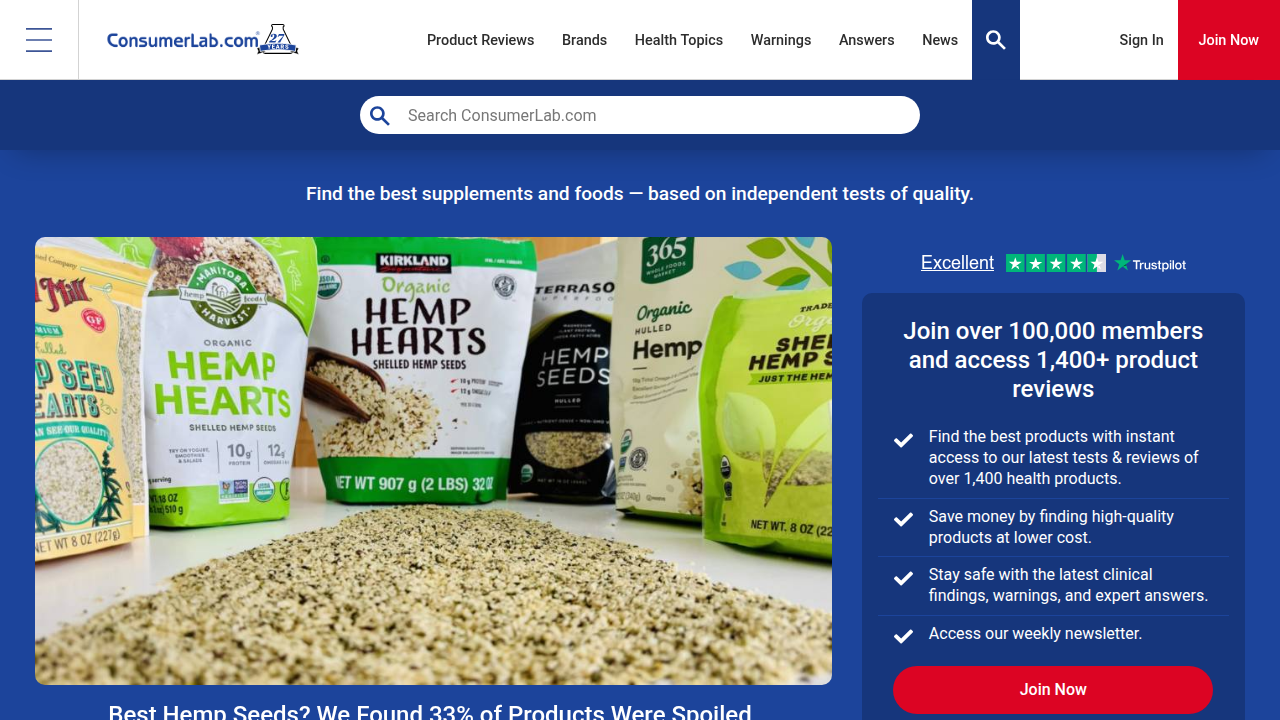
A quality zinc supplement will have a seal from a trusted outside group like USP, NSF International, or ConsumerLab.com. This means the product has been checked for purity, dose accuracy, and safety.
Without this seal, you cannot be sure you are getting what the label says.
Why does this matter? Taking too much zinc can be dangerous. A report from the New Zealand Medicines and Medical Devices Safety Authority warns that zinc can block copper absorption, leading to deficiency over time. Third-party testing helps ensure the dose is exactly right so you don’t accidentally overdo it. Skip any product that does not show a seal.
2. Avoid Proprietary Blends That Hide Numbers
Some supplement labels use something called a "proprietary blend." This is a fancy way of saying they do not have to list how much of each ingredient is inside. You might see "Zinc Blend 50 mg" but no breakdown of what form of zinc is used or how much filler is added.
A good zinc supplement tells you exactly how much elemental zinc is in each serving. If the label hides the amount, put the bottle back on the shelf. You deserve to know what you are taking.
3. Watch for Exaggerated Claims
If a bottle says "miracle cure" or "cures everything," run the other way. Legitimate supplements do not make wild promises. They stick to simple, science-backed benefits like immune support, recovery, or skin health.
The best zinc supplement for men or women focuses on real results, not hype. The same goes for other nutrients you might buy like magnesium supplements, a vitamin C supplement, or vitamin B12 supplements. Always look for honest, transparent labels.
A Supplement That Passes the Test
A quality product should show third-party testing, full disclosure of ingredients, and no exaggerated claims. One that checks all these boxes is this zinc supplement. It clearly lists the dose, skips the proprietary blends, and even adds a small amount of copper to keep your levels balanced. That is the kind of label you can trust.
Your Step-by-Step Zinc Supplement Buying Guide (2026 Edition)
Alright, you already know what to avoid. Now let us find a winner. Standing in the supplement aisle can feel overwhelming. But if you follow these three steps, picking the right zinc supplement becomes simple.
Step 1: Define Your Goal
Ask yourself why you want to take zinc. Your answer will guide your choice.
- General health and immunity: You just want to support your body day to day. A standard dose of 15 to 20 mg is plenty.
- Athletic performance: If you are an everyday athlete, zinc helps with muscle repair and recovery. You may want a higher dose in a form your body can easily use.
- Addressing a deficiency: This is less common. If you think you might be low, talk to your doctor first.
Knowing your goal keeps you from buying something that doesn’t fit your life.
Step 2: Pick the Right Form
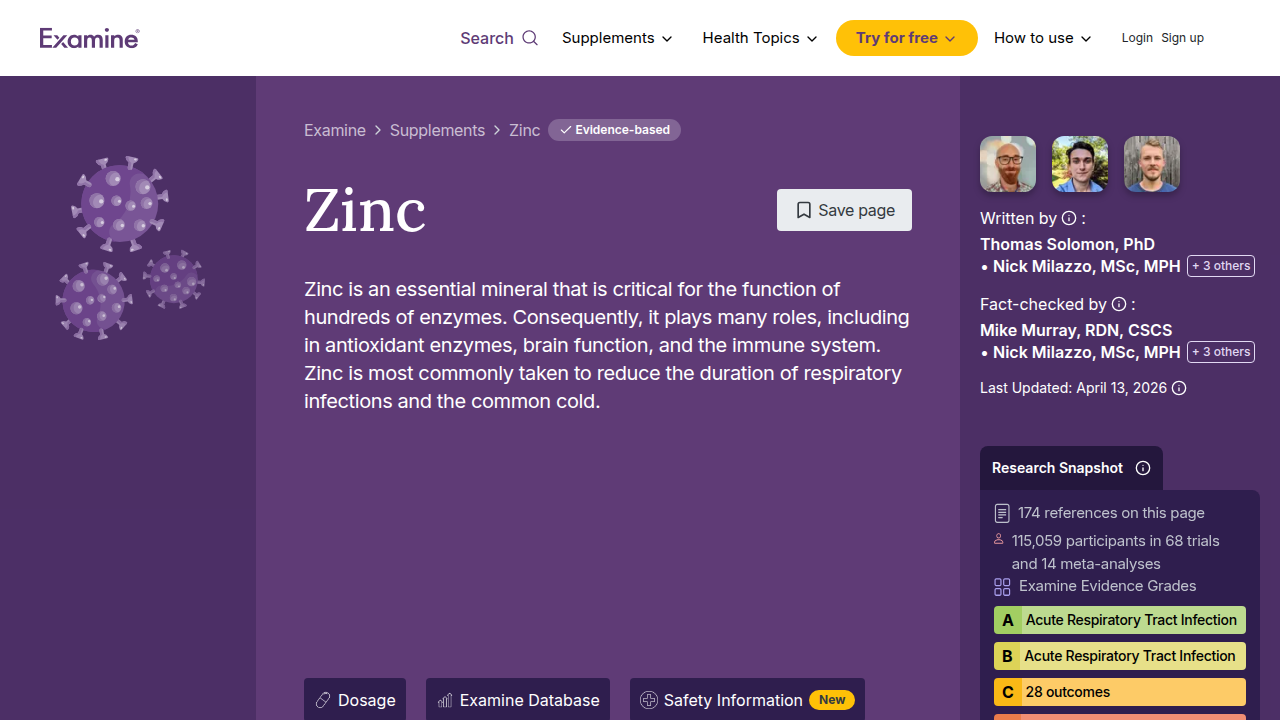
Not all zinc is the same. The form on the label matters a lot. For 2026, the top picks are:
- Zinc picolinate: Excellent absorption.
- Zinc bisglycinate: Very gentle on your stomach.
- Zinc citrate: A reliable choice that works well.
Try to avoid zinc oxide. It is cheap to make, but your body absorbs very little of it. You want a supplement that actually works.
Step 3: Check the Label Like a Pro
Now use what you learned about red flags.
- Look for a third-party seal. This ensures the dose is accurate. Taking too much zinc can cause problems. One study on zinc toxicity warns that high doses can actually hurt your immune system over time.
- Find the elemental zinc number. This is the real amount your body gets. The label must show it clearly.
- Compare cost per milligram. A bigger bottle is not always the better deal. Do the quick math to get the best value.
A Simple Choice for 2026
A product that checks every box is this zinc supplement. It uses zinc bisglycinate, which is easy to absorb. It clearly lists the dose. And it adds a small amount of copper to keep your levels balanced. That is a label you can trust.
Remember, zinc works best as part of a solid daily routine. Pair it with a good vitamin C supplement or magnesium supplements for even better results. And if you need energy, look into vitamin B12 supplements too. Small steps like these add up to real progress.
Summary
This guide explains why zinc is essential for athletes and anyone training hard, covering how zinc supports muscle repair, immune function, and hormonal balance. It walks through the hidden deficiency risk for active people, how sweat and training increase zinc needs, and the practical signs that levels are too low. The article compares common zinc supplement forms (picolinate, citrate, bisglycinate, gluconate, oxide), highlights bioavailability differences, and recommends the best options for absorption and tolerability. It gives clear dosage and timing advice—typically 15–30 mg daily for athletes while staying under 40 mg total—and explains interactions with copper, iron, and some medications. You’ll also learn red flags on labels (proprietary blends, no third‑party testing) and a three-step buying process to pick a safe, effective product. After reading, you’ll know what form and dose to choose, when to take zinc, and how to avoid common safety traps so your supplement actually improves recovery and performance.




Get practical training, recovery, and nutrition insights in your inbox