
How to Find the Best Powerlifting Gym for Your Goals

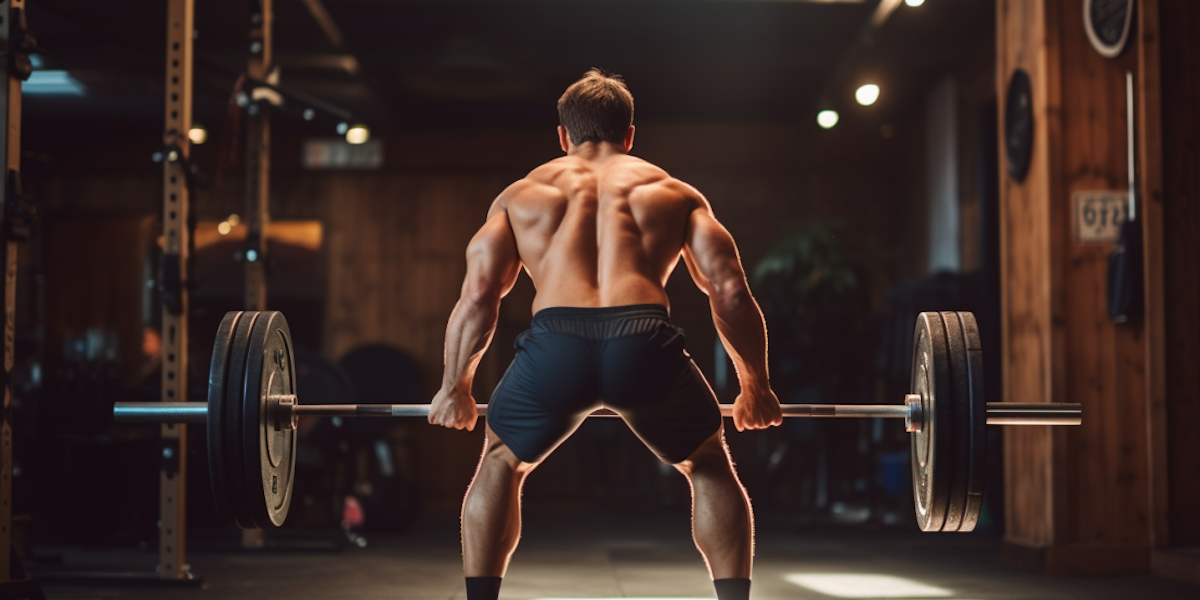
Introduction: How to Cut Through the Noise and Find Your Ideal Powerlifting Gym
Finding a powerlifting gym that actually fits your goals can feel like searching for a needle in a haystack.
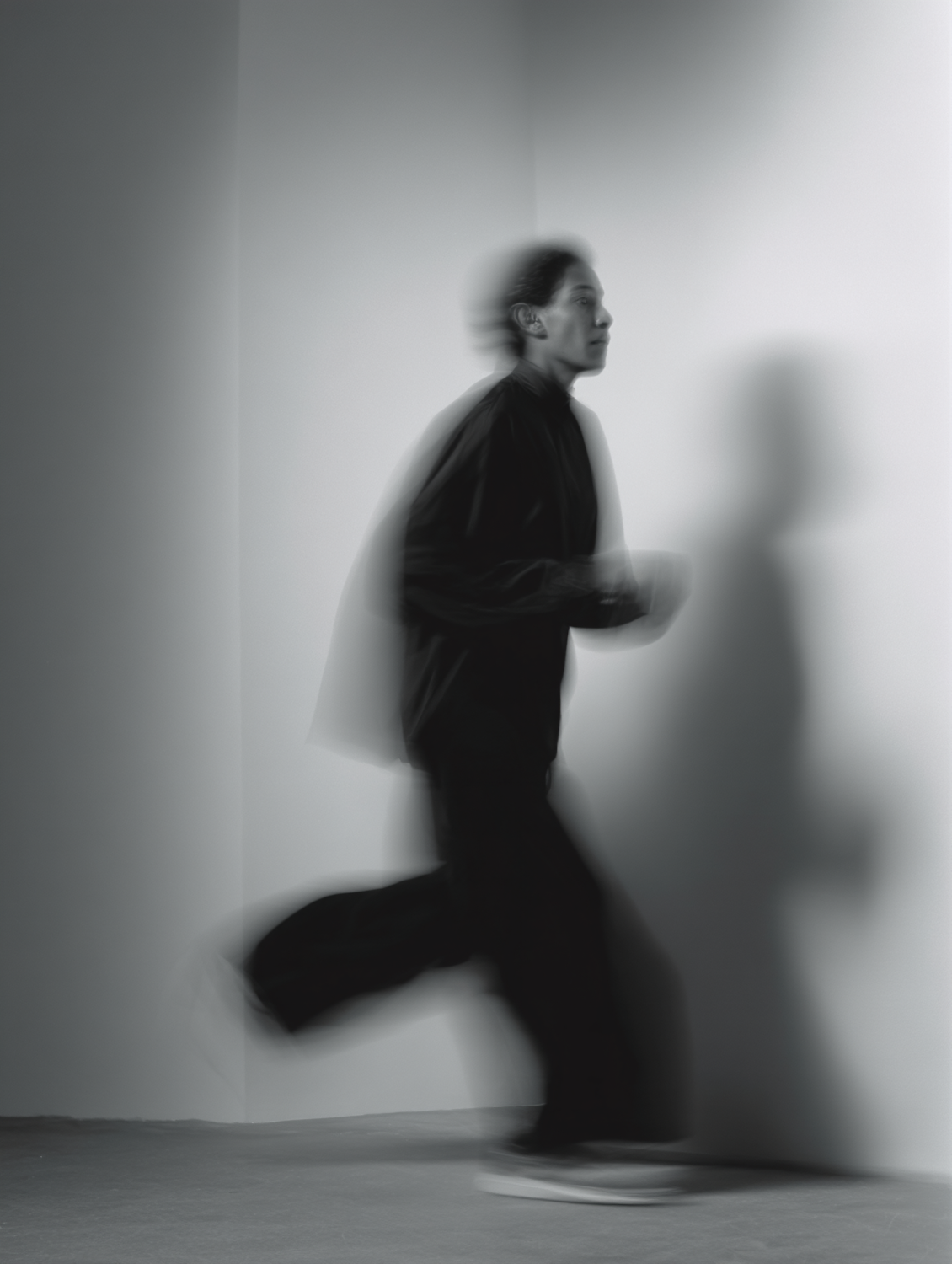
One gym has Eleiko bars and calibrated plates. Another has loud music, a deadlift platform covered in chalk, and a coach who yells at everyone. Which one will help you make real progress?
The truth is, powerlifting gyms vary wildly in equipment, culture, and coaching quality. Add in all the marketing claims and well meaning advice from social media, and it gets confusing fast. You might hear that you need a specific powerlifting singlet to compete, or that a strength training weight vest will boost your squat. Maybe you are following a 12 week powerlifting program and just want to know if your local gym can support it. But without a clear way to judge a gym, you risk wasting your gym membership fee on a place that holds you back.
In fact, recent competition data reveals a big gap between what gyms claim and what verified results actually show. The 2026 State of Strength analysis found that self reported numbers from gyms often don’t match official meet results.
That is exactly the kind of misinformation that can steer you wrong.
This guide cuts through the noise. I will give you a simple, research backed framework to evaluate any powerlifting gym. You will learn what to look for in equipment, coaching, and atmosphere so you can choose a place that matches your specific goals. And when you are ready to buy gear like a singlet or a quality weight vest to support your training, we have you covered there too.
Let’s get started.
What Defines a True Powerlifting Gym? Separating Substance from Hype
So what actually makes a gym a real powerlifting gym? It is not just a room with a squat rack and some plates. A true powerlifting gym has three core elements that separate it from a regular fitness club.
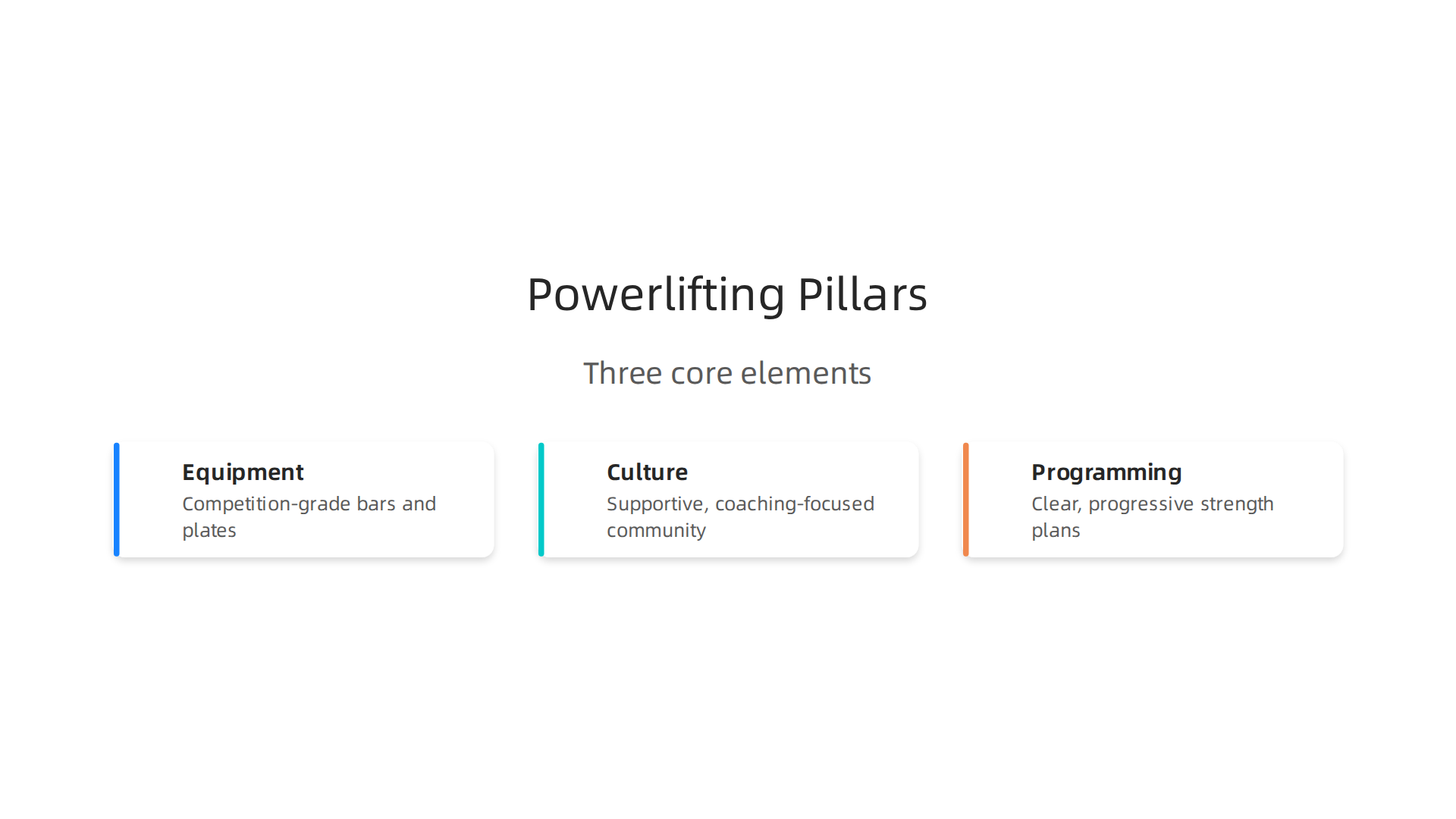
Dedicated competition grade equipment comes first. You need barbells that meet official standards. The 2026 IPF Technical Rulebook outlines strict specifications for bars, plates, and racks used in sanctioned meets. A gym that invests in IPF approved barbells and calibrated plates gives you the chance to train exactly how you will compete. Look for multiple deadlift platforms, proper squat racks with safety bars, and enough space to move freely. If the equipment is worn out, rusty, or limited to one squat rack for the whole gym, that is a red flag.
Culture matters just as much as the gear. You want a community that values technique and progressive overload, not ego lifting. Watch how people train during a visit. Do lifters help each other with form cues? Is there respect for the lift, not just the weight on the bar? A supportive environment keeps you consistent and safe. If you plan to follow a 12 week powerlifting program, that kind of atmosphere makes all the difference in sticking with it.
Programming philosophy should be clear and grounded in periodization. Vague feel good approaches will not build real strength. Good coaches explain how they plan your training cycles, when you deload, and how they manage recovery. They should be upfront about their methods. For 2026, multiple federations including USA Powerlifting updated their rulebooks which means programming needs to align with current standards too.
When you find a gym that checks all three boxes, you have found a place where serious progress happens. And if you want to add an extra challenge to your training, a strength training weight vest can help push your work capacity even further.
Essential Equipment: What a Powerlifting Gym Must Have (and What You Can Skip)
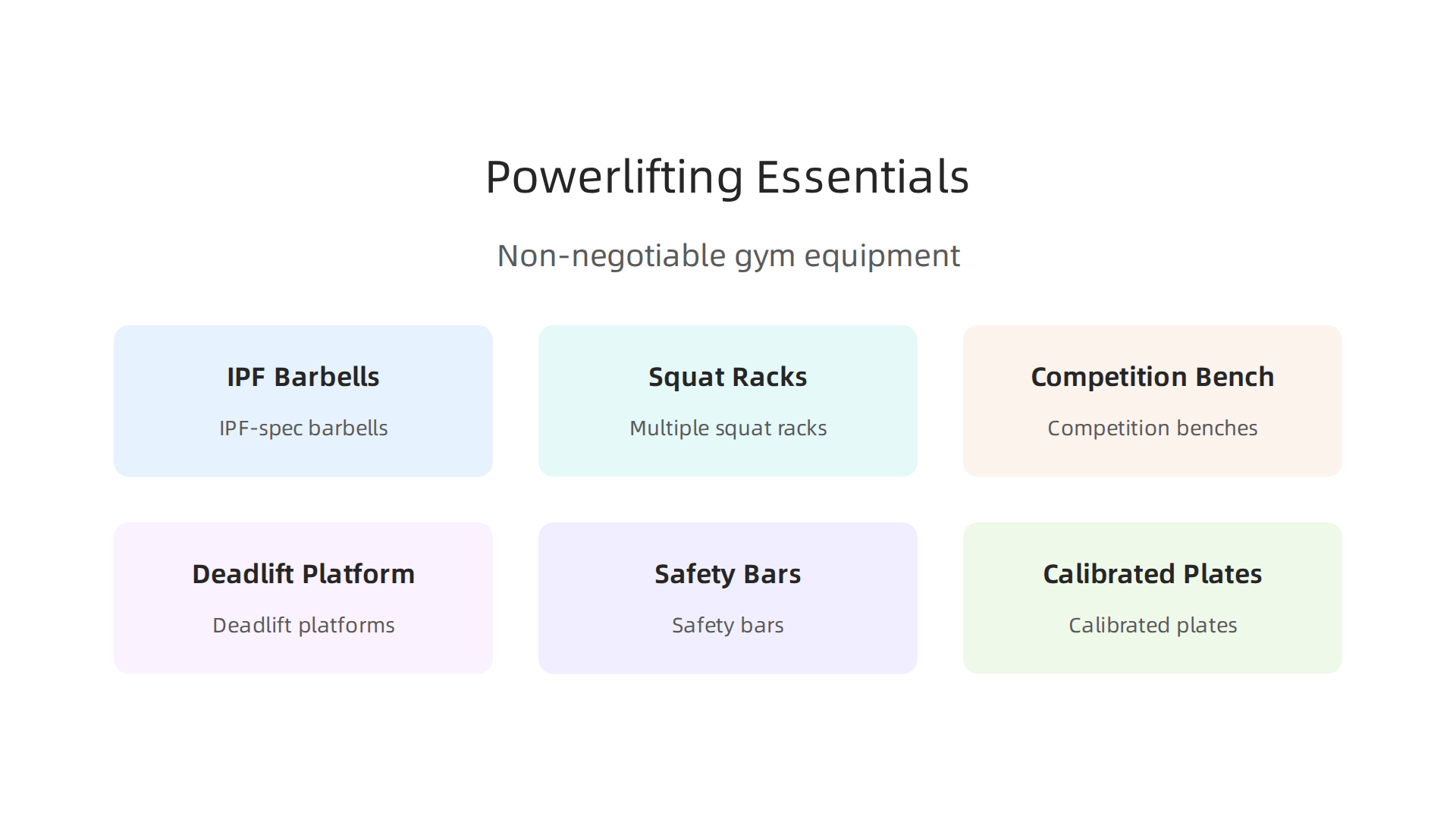
You walk into a gym and see a wall of shiny machines, dozens of cable stations, and maybe one lonely squat rack tucked in the corner. That gym is not built for powerlifting. A real powerlifting gym focuses on a short list of critical equipment.
The rest is just noise.
Start with the barbells. This is the heart of your training. A proper powerlifting barbell has a 26mm shaft, clear knurling marks, and consistent knurl depth. These details matter because they affect your grip and how the bar feels on your back. The 2026 IPF Technical Rulebook sets strict standards for bars used in competition. If a gym uses cheap, thin bars with inconsistent knurling, you will never know exactly how your competition bar will behave. As 2026 IPF Powerlifting Rules Explained points out, the IPF maintains strict equipment standards to ensure consistency.
Train on the real thing.
Squat racks, competition benches, and deadlift platforms are non-negotiable. You need at least two or three squat racks with spotter arms so you can squat heavy without fear. Competition benches should have the correct height and width specified by the IDFPA Rulebook. Deadlift platforms need enough space for you to set up properly and drop the bar without damaging the floor. If a gym only has one rack and no dedicated platform, you will waste time waiting and fighting for equipment.
What about accessories? Chalk, a lifting belt, and knee sleeves are helpful. You can bring your own strength training weight vest if you want extra work. But do not overspend on novelties like grip trainers, specialty bars you will never use, or fancy straps. The basics do the job. A good powerlifting singlet for meet day is worth having, but skip the gadgets that just collect dust.
Focus on the essentials. If the gym has solid barbells, multiple racks, proper benches, and platforms, you have everything you need to build real strength. Everything else is a bonus.
Evidence-Based Programming: How to Spot a Well-Designed Powerlifting Program
Having the right gear is just the first step. The real engine of your progress is your training plan. A good plan takes the guesswork out of your training. In 2026, there is no reason to follow a random workout without a clear structure.
Look for periodization. A well-designed program uses a method called periodization. This just means your training changes in planned cycles. As the experts at JTS Strength explain, it strategically exposes your body to different stressors over time.
Beginners usually start with linear periodization. You add weight each week while lowering your reps. It is simple and works very well for new lifters.
Intermediate and advanced athletes often switch to block periodization. They focus on one goal at a time, like muscle building, strength, or peaking.
Some gyms prefer the conjugate method. This varies max effort lifts and dynamic effort lifts regularly to avoid plateaus.
Check for intensity tools. Are they using RPE? This stands for Rate of Perceived Exertion. It is a scale from 1 to 10 that tells you how hard a set feels. If your plan says "3 reps at RPE 8," it means the set should feel like you have roughly 2 reps left in the tank. This is a proven way to manage fatigue and stay healthy. Some advanced gyms even track bar speed to measure effort instantly.
Avoid generic templates. Be very careful with one-size-fits-all plans. A good program accounts for your recovery, your technique, and your competition schedule. A generic 12 week powerlifting program might not fit your life at all. But a program designed for you will adjust volume if you are recovering slowly, or add specific lifts to fix a weak point.
A well-designed program also includes smart accessory work. This is where you can use tools like a strength training weight vest for weighted pull-ups or dips. And when competition day gets close, wearing the right gear like a powerlifting singlet helps you get used to the real feel of the platform.
Your training plan matters more than any piece of equipment. If you find a gym that programs intelligently using periodization and RPE, and treats you like an individual, you have found a true powerlifting gym. Everything else is a distraction.
Comparing Popular Powerlifting Programs: Which Template Fits Your Needs?
You now know what makes a program well designed. But in 2026, you will find a dozen different templates all claiming to be the best. So which one should you pick?
Here is the short answer. Your experience level and your schedule decide the best fit. Let us look at the most popular options.
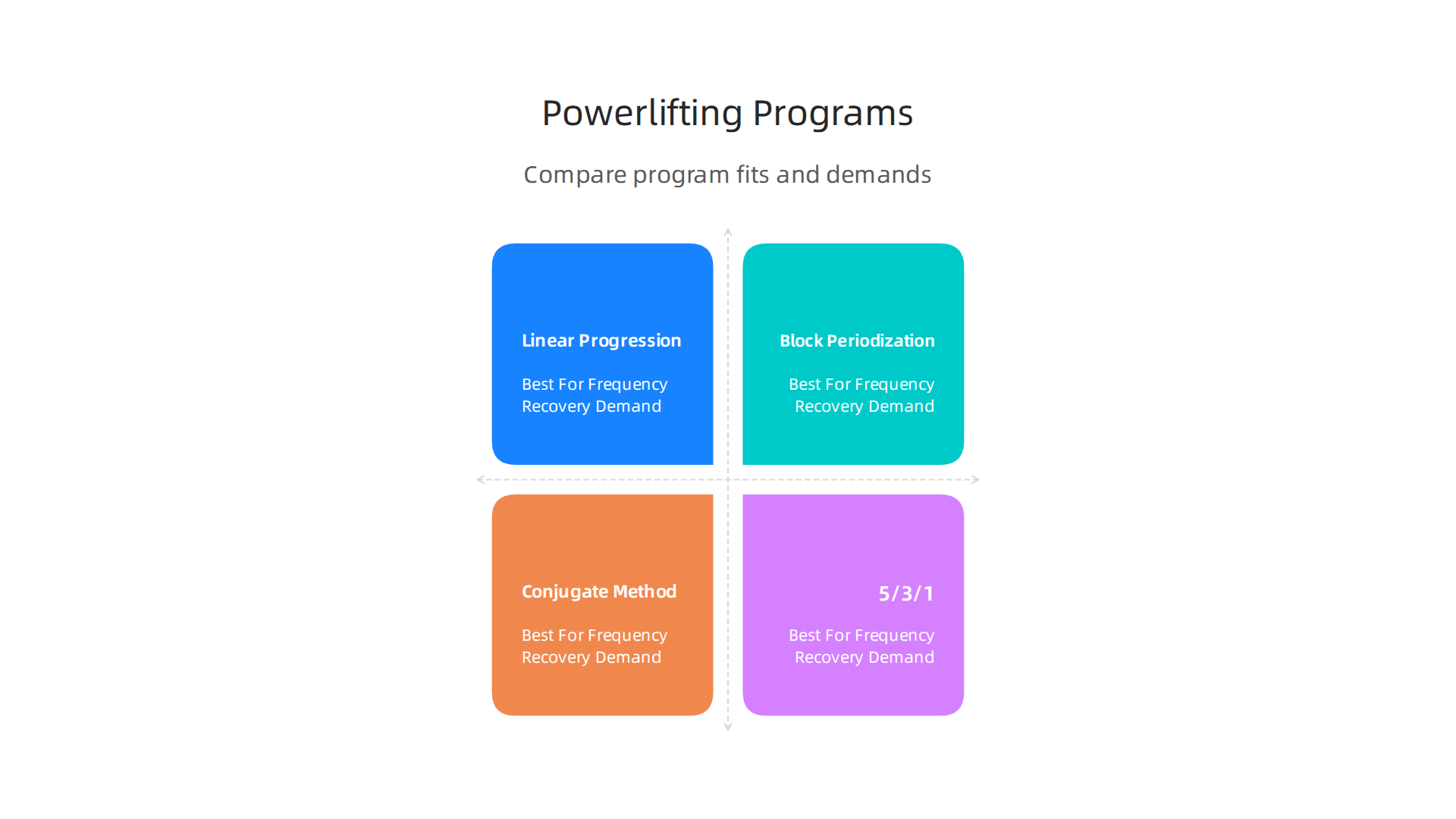
Linear progression (Starting Strength, StrongLifts)
This is the classic beginner approach. You add weight to the bar every single session. Reps stay the same or drop slightly over time. Linear periodization works because your nervous system and muscles adapt quickly when you are new. You do not need fancy variations yet. You just need to lift heavy and eat enough.
Best for: Lifters with less than one year of consistent training.
Block periodization (Sheiko, Juggernaut Method)
Once linear gains slow down, block periodization steps in. You break your training into focused blocks. One block might build muscle. The next block builds strength. The final block peaks you for competition. As Lift Vault explains, each block has a specific goal. This allows you to accumulate more volume without burning out.
Best for: Intermediate lifters who have stalled on simple progression.
Conjugate method (Westside Barbell)
This is the most demanding style. You rotate max effort lifts and dynamic effort lifts every week. You also use a ton of accessory work. The Set for Set guide on periodization models notes that conjugate allows you to train heavy often while managing fatigue through variation. But it requires very high volume and good recovery habits.
Best for: Advanced lifters with solid technique and plenty of time to train.
Submaximal training (5/3/1)
Jim Wendler’s 5/3/1 takes a slower path. You work with submaximal weights most of the time. You never max out in the gym. This keeps your joints healthy and your motivation high. Progress comes slowly but steadily over years. For lifters who want to stay consistent for the long haul without burning out, this is a smart choice.
How to choose
| Program Style | Best For | Frequency | Recovery Demand |
|---|---|---|---|
| Linear progression | Beginners | 3x per week | Low |
| Block periodization | Intermediates | 4x per week | Medium |
| Conjugate | Advanced lifters | 4 5x per week | High |
| Submaximal (5/3/1) | All levels, long term | 3 4x per week | Low to medium |
If you are serious about your training, having the right gear helps you perform your best. A quality lifting belt or knee sleeves can support you through heavier sets and keep you safe during those high effort lifts.
You do not need to chase the most complicated program. Match your template to your experience and your life. A simple program you follow consistently will always beat a complex program you quit after three weeks.
The Role of Coaching and Community: Why Human Guidance Still Matters
You can download a 12 week powerlifting program and follow it on your own. Apps will tell you when to lift and how much weight to use. But here is the thing. No app can watch your squat and tell you that your knees are caving in.
No algorithm can spot that tiny hip shift that will eventually hurt your lower back.
That is where a real coach changes everything.
A qualified coach does more than write workouts. They watch every rep and give you personalized technique fixes. They know when to push you harder and when to tell you to back off. Good coaches hold certifications like the NSCA’s CSCS, USAW, or a powerlifting specific credential. The USA Powerlifting coaching certification program offers three levels of training for coaches, from Club Coach all the way up to International Coach. The National Strength and Conditioning Association also provides accredited certifications that set a high standard for strength professionals.
When you train with others at a powerlifting gym, the benefits go beyond the coach. You get community accountability. Your training partners notice when you skip a session. They cheer when you hit a new personal record. They give you honest feedback on your form. That peer support keeps you consistent, and consistency is what builds real strength over time.
But not every coach is worth your trust. Watch for these red flags:
- They push you to lift weights that look unsafe
- They have no certification or cannot explain their training methods
- They tell you to do things without explaining the "why"
A good coach can explain exactly why you are doing each exercise. They adjust your 12 week powerlifting program based on how you actually recover and respond.
If you train at home or in a commercial gym, building community takes more effort. But you can still find training partners online or through local clubs. The International Powerlifting Federation’s coach license program shows how seriously the sport takes proper coaching standards.
Whether you train solo or with a team, having the right gear makes a difference. A good powerlifting singlet is essential if you plan to compete, and strength training weight vests can add extra challenge to your accessory work.
In 2026, we have more information available than ever before. But information alone does not build better lifters. Real human guidance does. A coach catches what you cannot see. A training community keeps you showing up. Together, they turn a good program into actual results.
Recovery, Nutrition, and Injury Prevention: The Missing Link in Powerlifting Progress
You crush every workout in your 12 week powerlifting program. You follow the plan, push hard, and never skip a session. But after a few weeks, your lifts stall. Or worse, your lower back starts aching. What gives?
Here is the truth that many lifters miss. Training hard is only half the equation. Recovery, nutrition, and injury prevention are the other half.
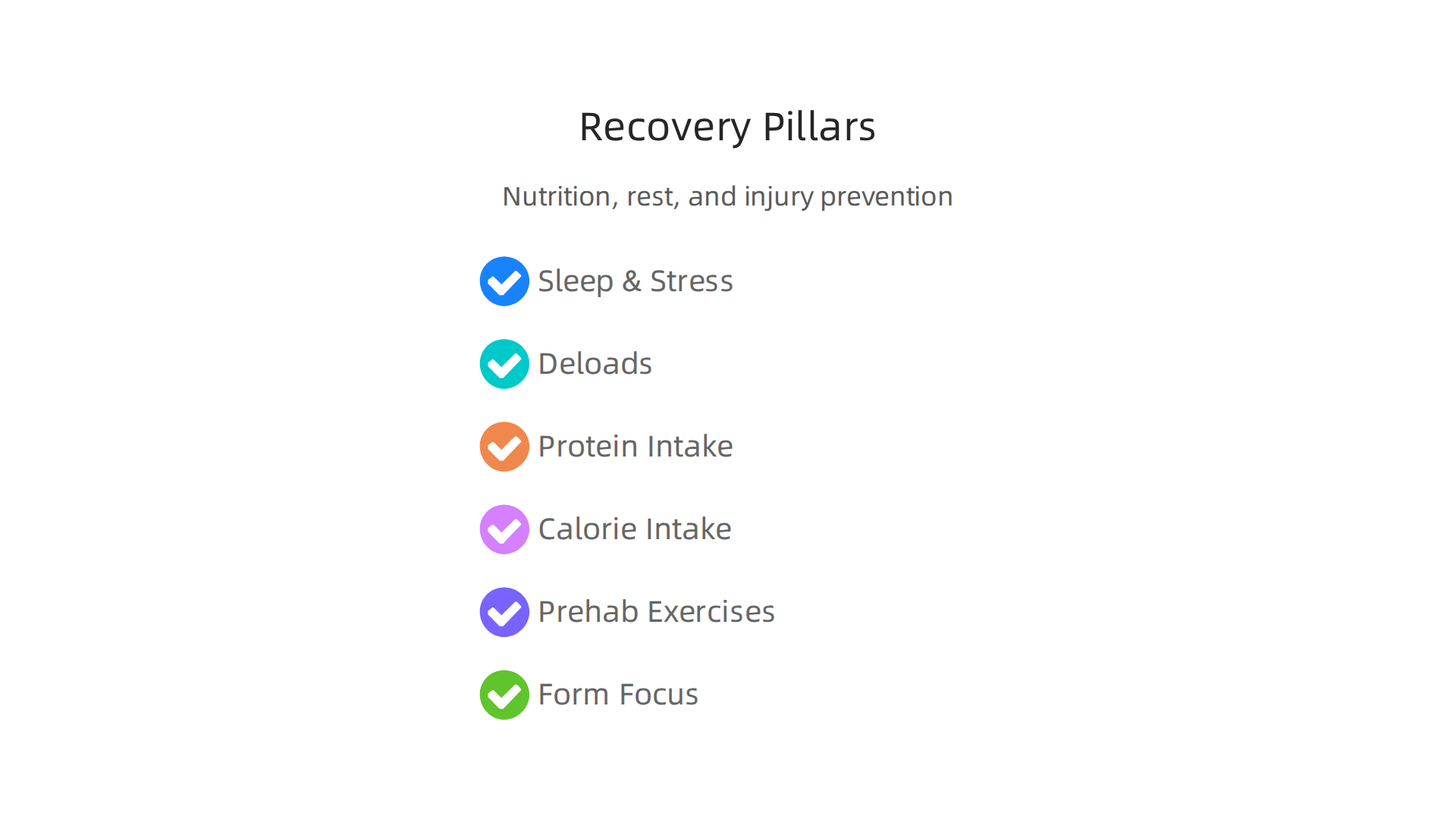
Without them, you hit plateaus and get hurt. Even the best powerlifting gym and coaching can not save you from poor recovery habits.
Sleep, Stress, and Deloads Matter More Than You Think
Your muscles do not grow in the gym. They grow when you rest. Sleep is when your body repairs those tiny muscle tears from lifting.

If you sleep less than seven to eight hours, your recovery slows down fast.
Stress also plays a big role. High stress raises cortisol, a hormone that breaks down muscle and makes injuries more likely. That is why managing your stress outside the gym matters just as much as your training inside it.
And do not forget deloads. A good 12 week powerlifting program should include lighter weeks to let your body recover fully. Skipping deloads is one of the fastest ways to get injured.
Nutrition: Fuel Your Recovery
You can not out-train a bad diet. To support muscle repair and keep your body strong, you need to eat enough protein. Aim for 1.6 to 2.2 grams of protein per kilogram of your body weight each day. That means if you weigh 80 kilograms, you need between 128 and 176 grams of protein daily.
Also make sure you are eating enough total calories. If you are in a big calorie deficit while trying to get stronger, your recovery suffers. Your body needs energy to rebuild.
Stop Injuries Before They Start
Powerlifting puts big loads on your lower back, shoulders, and knees. Common injuries happen when one muscle group is weaker than another. That is where prehab exercises come in.
Add face pulls for shoulder health. Do dead hangs to relax your spine. Use glute activation drills to take pressure off your lower back. And always watch your form. A strength training weight vest can be useful for adding extra load to prehab movements like pull-ups, but only after you master the basic movement.
If you compete, having a proper powerlifting singlet that fits well can also help prevent distractions and keep you focused on form.
Your gym membership should give you access to the tools you need: a squat rack, barbells, bands, and maybe a cable machine for prehab work. Choose a gym that supports your whole training journey, not just the heavy lifts.
The missing link in your progress is not more volume or heavier weight. It is giving your body what it needs to recover, eat right, and stay healthy. Focus on that, and your strength will follow.
Budgeting for Powerlifting: Where to Invest and Where to Save
You have learned how to fuel and rest your body. Now let us talk about your wallet. Powerlifting can get expensive fast if you chase every shiny new gadget. But here is the thing. You do not need to spend a fortune to make serious progress. You just need to know where to put your money and where to hold back.
When it comes to a powerlifting gym, your first priority should be access to the right equipment. This means a power rack, an Olympic barbell, and good weight plates. If you train at a commercial gym, your gym membership should cover these basics. If you build a home setup, a solid budget power rack like the REP PR-1100 offers a 700-pound weight capacity for under $400. That is a smart investment according to Garage Gym Reviews. For the barbell, experts say to spend on a quality one first because it handles every lift. Check out the 5 Essentials for Your Powerlifting Home Gym for more on must-have gear.
Your next best investment is coaching. Even a few months with a good coach can fix form flaws and teach you how to customize your 12 week powerlifting program. The cost may feel high upfront, but the long term gains beat years of guessing on your own. For footwear, a simple pair of flat soled shoes or weightlifting shoes works great.
Now for the trap. Do not waste money on trendy supplements without evidence. Most pre workouts, fat burners, and muscle builders do not deliver. Also skip overpriced biohacking tools like fancy recovery boots or infrared devices. Your body recovers best with sleep, food, and stress management, not gadgets.
A strength training weight vest can be helpful for pull ups or walking lunges, but only if you already have the basics covered. Save that purchase for later.
If you want to see what high quality gear fits your budget, browse expert reviewed equipment and make smarter choices for your setup. Your wallet will thank you, and your lifts will too.
Common Powerlifting Myths Debunked: Separating Science from Bro-Science
Now that you know where to spend your money, let’s clear up some bad advice that might be holding you back. Walk into any powerlifting gym and you will hear all kinds of claims. Some are backed by real evidence. Others are just "bro-science" passed around the weight room. Let’s break down the most common myths so you can train smarter.
Myth 1: You must train to failure every session
This one sounds tough and dedicated, but research shows you do not need to grind to total failure on every set. Submaximal training, where you leave one to three reps in the tank, is safer for your joints and often leads to better long term progress. Your muscles grow just as well with less wear and tear. Save failure for last sets on your biggest lifts, not every single exercise.
Myth 2: Raw lifting is inherently superior to equipped
Some lifters swear by raw lifting, meaning no supportive gear beyond a belt and wrist wraps. Others compete in equipped lifting using a powerlifting singlet, squat suit, bench shirt, and knee wraps. The truth? Both styles have a place. Raw lifting builds raw strength and translates easily to everyday life. Equipped lifting lets you move heavier loads and targets specific weaknesses. Your choice should depend on your goals and the federation you want to compete in. Equipped lifting does require more gear, so if you go that route, check out expert reviewed equipment for reliable options.
Myth 3: Powerlifting is only about squats, bench, and deadlift
You will see people on social media who only do the big three. But that mindset can lead to injuries and stalls. Mobility work, auxiliary lifts like rows and pull-ups, and prehab exercises are crucial for longevity and building strength training weight vests won’t fix poor movement patterns. A solid 12 week powerlifting program includes accessory work to strengthen weak points, improve range of motion, and keep your shoulders and hips healthy. Your gym membership likely gives you access to bands, dumbbells, and cables. Use them.
Next time someone gives you advice in the gym, ask yourself: Is that science or just bro-science?
Your body and your lifts will thank you.
Summary
This guide helps you cut through marketing noise to find a powerlifting gym that actually supports real progress. It explains the three pillars of a true powerlifting facility—competition-grade equipment, a supportive culture, and evidence-based programming—and shows how to evaluate each. You’ll get an essentials checklist for bars, racks, benches, and platforms, plus clear guidance on periodization styles (linear, block, conjugate, submaximal) so you can match a program to your experience and schedule. The article also covers why qualified coaching and a training community matter, how to prioritize recovery and nutrition (including protein targets), and where to spend or save your money on gear. Practical red flags, common myths, and simple steps to avoid injury round out the advice so you can pick the right gym, follow a smart 12-week program, and make consistent strength gains.




Get practical training, recovery, and nutrition insights in your inbox