
Liver Supplements for Athletes That Speed Up Recovery and Protect Your Liver

Introduction
Have you ever crushed a heavy workout only to feel wiped out for days after? That slow recovery might not just be your muscles.

Your liver plays a huge role in how well you bounce back, and most people overlook it.
Your liver handles metabolism, detoxification, and nutrient processing. It works tirelessly to filter out waste, turn food into energy, and manage hormones. When you train hard, you add extra stress on your liver. Intense exercise can even cause temporary bumps in liver enzymes, as research from InsideTracker explains. That is normal, but it means your liver needs proper support to keep performing at its best.
On the flip side, regular exercise actually helps your liver stay healthy. Studies show that moderate activity can reduce liver fat and improve blood sugar control, even without weight loss, according to the American College of Sports Medicine. So moving your body is great, but sometimes you need a little extra help.
Here is where things get tricky. Many so called detox supplements make big promises but lack real science. A lot of them are full of herbs and ingredients that have little evidence behind them. That is why it is important to choose evidence based options when you look for liver support supplements. Your body does not need a harsh cleanse. It needs consistent, smart nutrition and targeted nutrients.
That is where beef liver supplements come in as a natural whole food option. Other helpful nutrients include a quality DHA supplement from fish oil to reduce inflammation, and prebiotic supplements to support gut health, which is closely linked to liver function.
In this article we break down what science says about supporting your liver as an athlete. You will learn which liver supplements actually work, how to avoid marketing hype, and how to make your recovery smoother and your performance stronger. Let’s start with why your liver deserves more attention than it usually gets.
1. Milk Thistle (Silymarin): The Gold Standard for Liver Protection
If you look at any list of liver support supplements, milk thistle is almost always at the top. And for good reason. The active compound in milk thistle is called silymarin, and it has some serious science behind it.
Here is how it works. Silymarin acts as a powerful antioxidant in your liver cells. It helps neutralize harmful free radicals that build up during intense training. It also reduces inflammation, which is key because a stressed liver can slow down your recovery time.
The clinical evidence for silymarin is strong. A 2024 meta-analysis looked at 412 patients across nine clinical trials and found that silymarin significantly reduced two key liver enzymes: AST and ALT. Another systematic review from 2023 reported that about 65% of studies showed lower liver enzyme levels with silymarin use. This is not a small effect. It is real, measurable support for your liver.
For athletes, the big question is dosage. Most research uses 140 to 280 milligrams of silymarin per day, often split into two doses. But here is the catch. Silymarin is not absorbed very well by your body on its own. That is why you want a supplement that uses a standardized extract with enhanced bioavailability. Look for products that mention "standardized to 80% silymarin" on the label.
You might already be taking other supplements that work well with silymarin. For example, pairing it with a good DHA supplement can help reduce overall inflammation even more. And since your liver and gut are closely connected, adding a prebiotic supplement can support both systems at once.
Milk thistle is one of the most researched natural options for liver protection. It is not a magic fix, but when added to a solid nutrition and training plan, it gives your liver the backup it needs.
2. TUDCA (Tauroursodeoxycholic Acid): A Powerful Bile Acid for Liver Cell Health
Milk thistle gets a lot of attention, and rightfully so. But there is another liver support supplement that works through a completely different pathway. It is called TUDCA, short for tauroursodeoxycholic acid.
TUDCA is a bile acid that your body actually produces in small amounts. When you take it as a supplement, it does something unique. It helps reduce something called ER stress inside your liver cells.
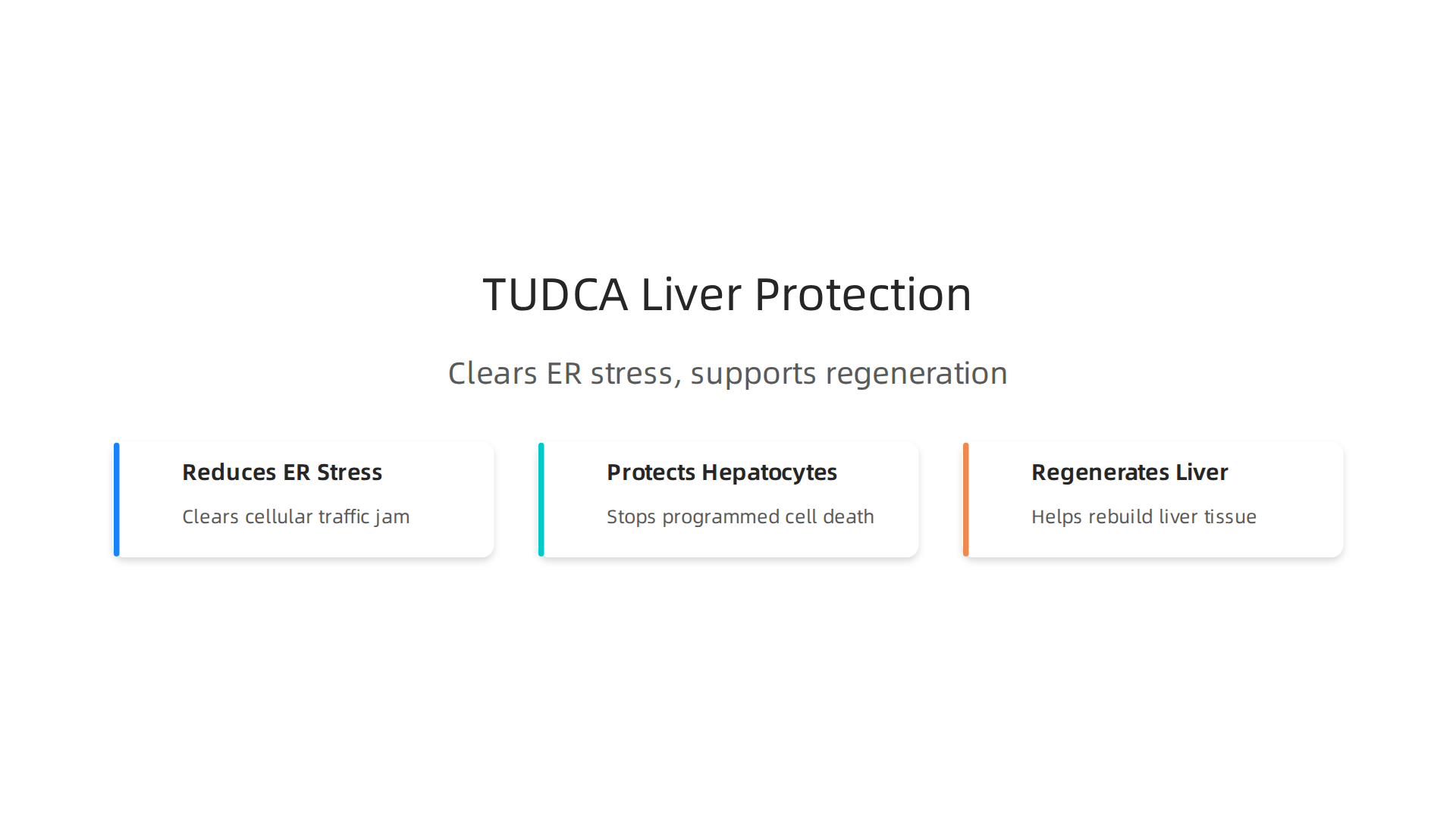
Think of ER stress as a traffic jam inside your cells. When things get backed up, your liver cells start to suffer. TUDCA clears that jam.
Here is the science part. TUDCA also protects your hepatocytes, which are your actual liver cells, by stopping a process called apoptosis. Apoptosis is just a fancy word for programmed cell death. When your liver is stressed from hard training or poor nutrition, cells start dying. TUDCA steps in and says, "Not today." Research from 2014 showed that TUDCA stops cell death by blocking the mitochondrial pathway that triggers it.
The evidence is growing fast. A 2025 study found that TUDCA actually helped regenerate liver tissue in animal models. That is a big deal. It means TUDCA does not just protect your liver, it helps it rebuild. For athletes, this is huge because you are constantly putting your liver under pressure from training, supplements, and sometimes even pain relievers.
So what about dosage? Most research uses 250 to 500 milligrams of TUDCA per day. You will often see it split into two doses taken with meals. TUDCA is generally considered safe and well-tolerated, even in people with existing liver conditions. But always start with a lower dose to see how your body reacts.
If you want to go deeper into how other recovery supplements work, check out our guide on beef liver supplements and their role in athletic recovery. The bottom line is that TUDCA is a serious option for anyone looking to support their liver beyond the basics.
3. N-Acetylcysteine (NAC): Antioxidant Support for the Overworked Athlete
TUDCA clears cellular traffic jams. NAC works on a totally different front. It boosts your body’s main cleanup crew.
Here is the thing. Every time you push hard in a workout, your liver takes a hit. Exercise creates oxidative stress. That is just a fancy way of saying your cells get damaged by free radicals. Your liver needs a strong antioxidant to fight back. That is where NAC comes in.
NAC helps your body produce glutathione. Glutathione is often called the master antioxidant. It is the main detox tool your liver uses every single day. Without enough glutathione, your liver struggles to handle the workload from training, supplements, and even everyday toxins.
A 2026 guide on liver supplements explains it simply. NAC replenishes glutathione, which is the liver’s primary detox antioxidant. And the science backs this up. One study found that NAC improved liver function in people with non-alcoholic fatty liver disease. For athletes, that means less oxidative damage from hard training and faster recovery.
So how do you take it? Most people use 600 to 1200 milligrams of NAC per day. It is best taken on an empty stomach. Some people notice a mild upset stomach, so start low. NAC is generally considered safe, but check with your doctor if you have any existing conditions.
If you want to add a high-quality NAC supplement to your stack, you can find trusted options here. And to build a complete recovery plan, read our guide on magnesium for fitness. It pairs perfectly with NAC for reducing muscle soreness and supporting liver function.
4. Artichoke Leaf Extract: Bile Flow and Digestive Support
So NAC helps your liver handle oxidative stress. But there is another piece of the puzzle. Your liver also needs to digest fats and remove waste. That is where artichoke leaf extract shines.
Artichoke extract is not trendy like some other supplements. But it has solid science behind it. It works by stimulating bile production. Bile is the fluid your liver makes to break down fats. Without enough bile, you feel sluggish after fatty meals. Your body also struggles to absorb fat soluble vitamins like A, D, E, and K.

Studies show that artichoke leaf extract can help lower cholesterol and protect liver cells. One reason is the active compound cynarin. It pushes your liver to produce more bile and move it through your system. That keeps your digestion running smoothly.
This extract works well with other liver support supplements. For example, it pairs nicely with TUDCA, which we covered earlier. Together they target both bile flow and cellular cleanup.
If you want to support your liver from multiple angles, look for a standardized artichoke leaf extract. And while you are at it, consider adding high quality omega-3 supplements to your routine. Omega-3s also help reduce liver inflammation and support overall health.
5. Beetroot Extract: Nitrates for Liver Perfusion and Detoxification
So artichoke extract gets your bile flowing. But your liver also needs a steady supply of oxygenated blood to do its job filtering waste. That is where beetroot extract shines.
Beetroot is loaded with natural nitrates. When you take it, your body converts those nitrates into nitric oxide. Nitric oxide relaxes and widens your blood vessels. This improves circulation throughout your body. The effect is especially strong in the liver. Better blood flow directly helps your liver process and flush out toxins more effectively. Scientists call this improved "liver perfusion."
For everyday athletes, this creates a win win scenario. Beetroot not only supports detoxification but also boosts endurance and speeds up recovery.
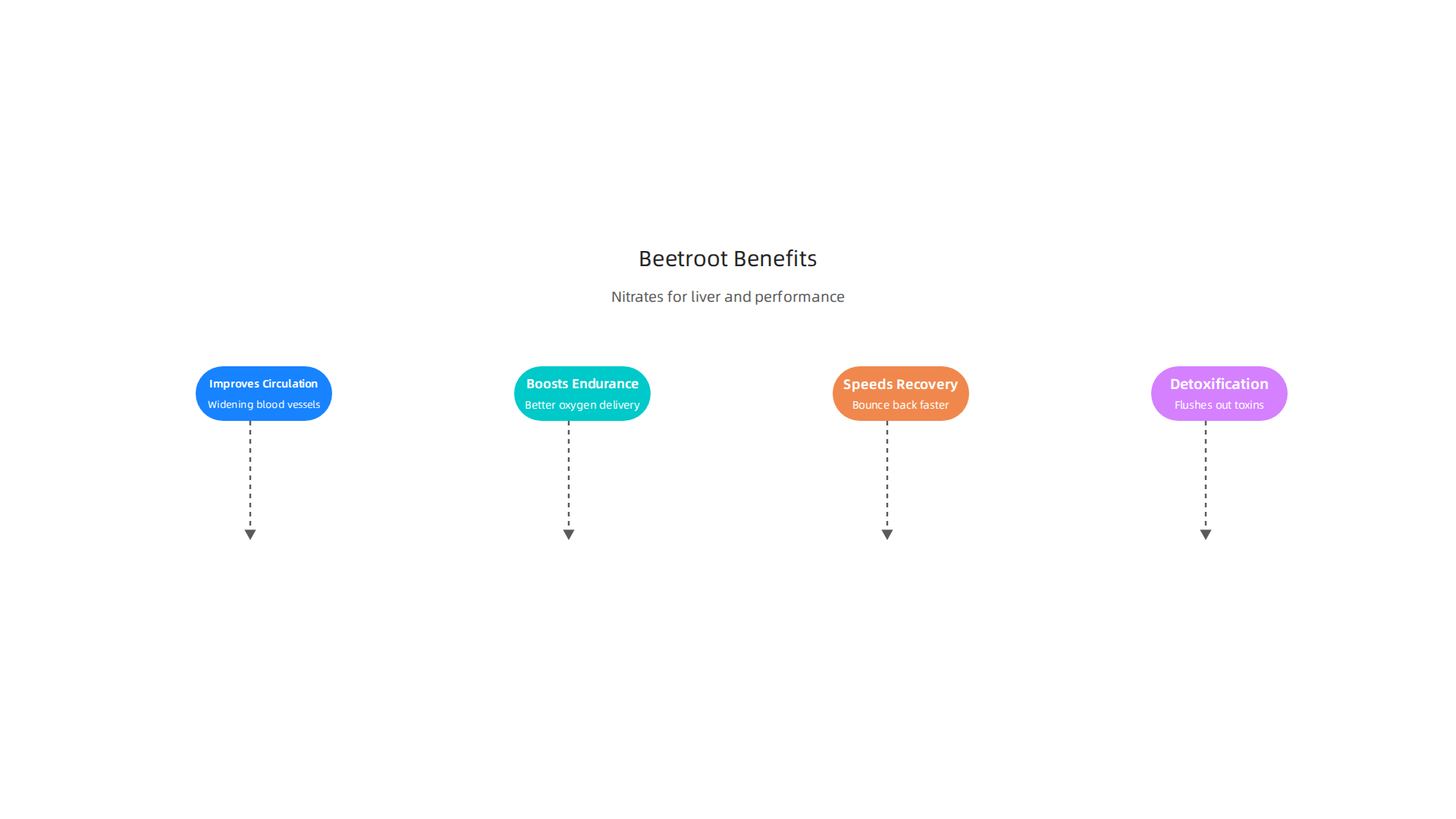
You get better oxygen delivery to your working muscles during a workout. That means you can push harder and bounce back faster on rest days. The fiber in beetroot also acts as a natural prebiotic, feeding your gut bacteria and improving digestion. If you are building a stack of liver supplements, adding a high quality beetroot powder is a smart move.
You can find it as a powder or in capsules. The powder mixes easily into water or your pre-workout shake. If you want to compare options, our complete beetroot supplement guide for athletes breaks down what to look for.
For even more targeted liver support, some people stack beetroot with TUDCA. Research shows TUDCA can support liver regeneration, making it a great partner to beetroot’s blood flow benefits. And do not forget about healthy fats. A quality omega 3 supplement works alongside beetroot to fight inflammation and support brain health.
When choosing products, look for brands that avoid artificial additives, similar to how you would pick free range supplements that prioritize whole foods. If you are ready to add beetroot to your routine, you can find trusted liver support supplements through this source.
6. Berberine: Metabolic Health and Liver Enzyme Regulation
Now let’s talk about berberine. This compound comes from plants like goldenseal and barberry. It works differently from beetroot but it is just as powerful for your liver.
Berberine activates something called AMPK. Think of AMPK as a master switch in your body that tells your cells to burn energy instead of storing it. When you turn on AMPK, your liver starts to process sugar and fat more efficiently. This directly helps reduce fat buildup inside your liver. Less liver fat means lower levels of liver enzymes like ALT and AST. That is a good sign your liver is healthier.
For everyday athletes managing weight or dealing with metabolic stress, berberine can be a game changer.

It helps you handle carbs better and keeps your blood sugar steady. This matters because high blood sugar over time stresses your liver. By helping your metabolism run smoothly, berberine also supports faster recovery and better energy use during workouts.
How do you add berberine to your stack? A typical dose is 500 mg taken two to three times per day with meals. Start low to see how your stomach handles it. Because berberine also supports your gut, pairing it with prebiotic supplements can boost digestion even more.
For an added benefit, consider taking a DHA supplement alongside berberine. Omega-3s fight inflammation in your liver and brain, making the two a solid team. Look for free range supplements that avoid fillers and artificial additives.
If you are searching for comprehensive liver support supplements, berberine deserves a spot on your list. It tackles fat, enzymes, and metabolic health all at once. That is a lot of bang for your buck.
7. Dandelion Root: Traditional Detoxifier with Modern Evidence
Maybe you think of dandelions as just a weed. But the root of this common plant has been used for centuries to support liver health. While berberine works inside your cells to flip your metabolic switch, dandelion root takes a different path.
Dandelion root is known for promoting bile flow and digestive elimination. Think of bile as your liver’s natural cleaning crew. It helps break down fats and carries waste out of your body. This keeps your liver from getting overloaded. Modern research confirms that dandelion root also works as a powerful antioxidant. It helps protect your liver cells from the daily damage caused by exercise, poor food choices, and environmental stress.
For everyday athletes, good digestion matters. When your digestive system runs smoothly, your liver does not have to work as hard to filter out toxins. That means better recovery and more energy for your next workout.
You can find dandelion root in many high quality liver support supplements. It often teams up with milk thistle and NAC for a stronger effect. A typical dose ranges from 500 mg to 1000 mg per day. You can take it as a capsule, tincture, or tea.
For a well rounded approach to your health, consider pairing it with a DHA supplement. Healthy fats support your liver and brain at the same time. Look for free range supplements that avoid unnecessary fillers and artificial additives.
When you are building your list of trusted liver supplements, do not overlook this humble herb. It is gentle, effective, and backed by both traditional wisdom and modern science.
8. Selenium and Zinc: Essential Minerals for Liver Enzyme Function
Herbs like dandelion root help your liver clean house, but your liver also needs specific minerals to power its internal machinery. Two of the most important are selenium and zinc. They often get less attention than flashy antioxidants, but they are vital for everyday athletes who push their bodies hard.
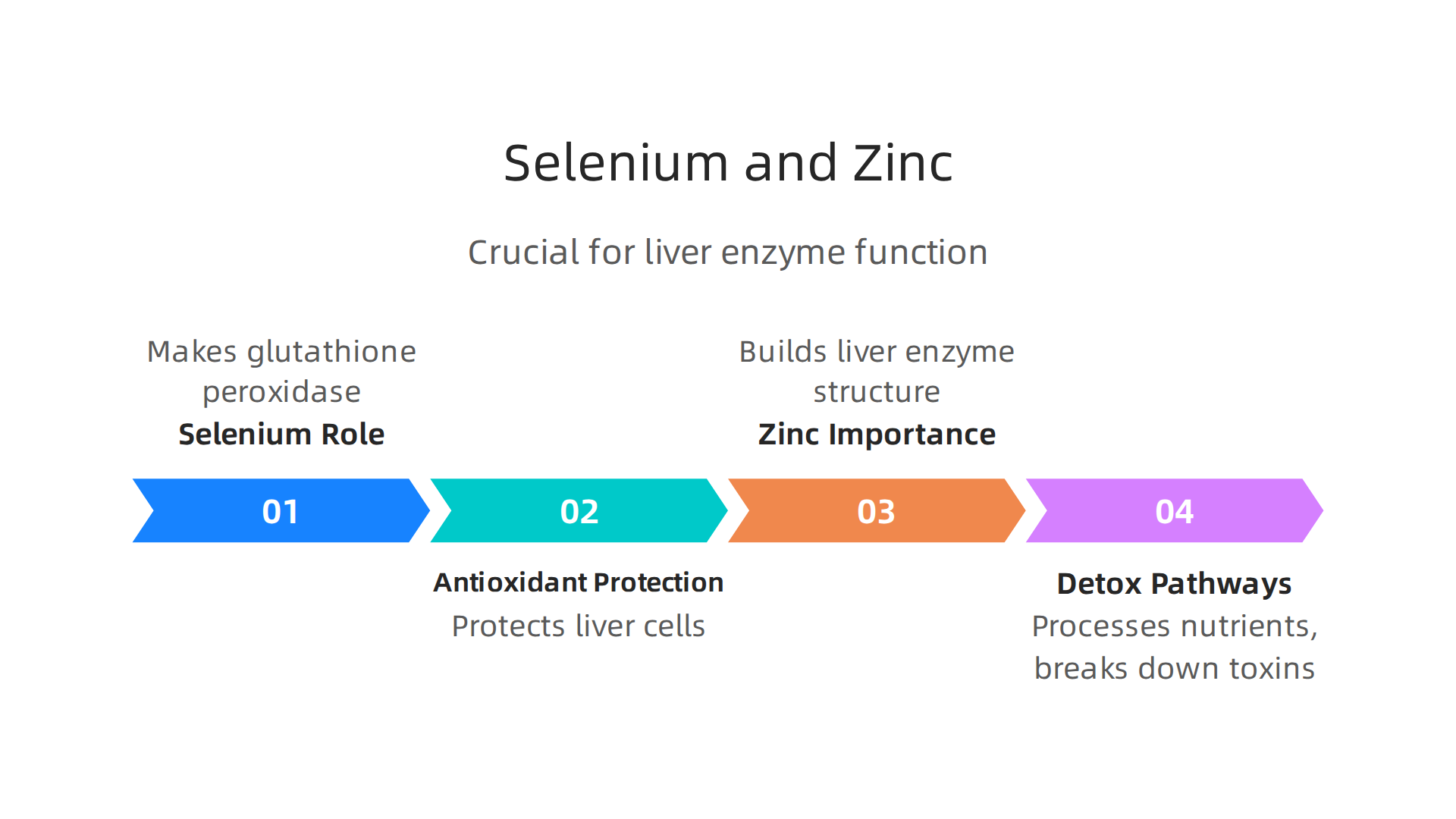
Selenium plays a key role in making glutathione peroxidase. That is your body’s main antioxidant enzyme. It protects liver cells from the damage caused by intense exercise and daily stress. Some high quality liver support supplements pair selenium with other ingredients like alpha-lipoic acid and silymarin for a stronger effect. This combination has been studied for its balanced approach to liver support.
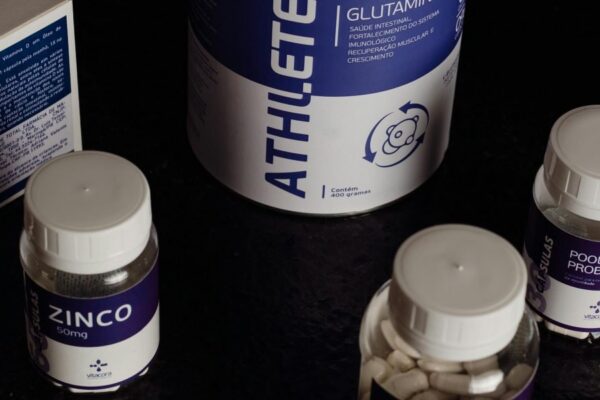
Zinc is just as important. It helps build the structure of liver enzymes that break down toxins and process nutrients. Without enough zinc, your liver’s detoxification pathways slow down. That can leave you feeling sluggish and slow your recovery after workouts. Athletes and active people often need more zinc than the average person because they lose it through sweat.
You can get these minerals from foods like Brazil nuts, oysters, and lean meats. But if your diet falls short, a targeted supplement can help. To learn more about choosing a quality zinc product, check out our guide on how to choose the best zinc supplement for athletes.
When you look at the ingredient list on any bottle of liver support supplements, make sure selenium and zinc are on it. They are small minerals with a big job.
9. Curcumin (Turmeric): Anti-Inflammatory Support for the Liver
Selenium and zinc give your liver the building blocks it needs. But what if your liver is already inflamed from hard training, poor food choices, or everyday stress? That is where curcumin steps in.
Curcumin is the active compound in turmeric. It works by calming a key trigger inside your liver called NF-κB. Think of NF-κB as an alarm system. When it stays on too long, it signals your liver to stay inflamed. Curcumin helps turn that alarm off. Research shows that curcumin, often paired with alpha-lipoic acid, offers strong antioxidant and anti-inflammatory protection for the liver.
Clinical studies back this up. People who add curcumin to their routine often see lower liver enzyme levels, which is a sign of a healthier liver. That is great news for anyone who pushes their body hard and wants to keep their recovery on track.
But there is a catch. Curcumin is hard for your body to absorb on its own. Most quality liver support supplements pair curcumin with piperine (black pepper extract). Piperine can boost absorption by up to 2000%. Without it, you are barely getting any benefit.
For practical dosing, look for 500 to 1000 mg of curcumin with piperine taken with a meal containing some healthy fat. This simple combo helps your body actually use what you take.
If you want to learn more about choosing safe and effective products, check out our guide on how to pick safe products at any supplement shop. It covers the red flags to watch for.
10. Alpha-Lipoic Acid (ALA): Mitochondrial Support and Liver Detox
Curcumin helps calm inflammation in your liver. But your liver also needs fuel to run its cleanup crew. That fuel comes from alpha-lipoic acid (ALA).
ALA works deep inside your cells, in the mitochondria. Mitochondria are the power plants of your cells. They turn food into energy. Your liver uses a huge amount of energy to process toxins and pull waste out of your blood. ALA helps your mitochondria run smoothly, so your liver can handle its detox job without getting drained.
Here is something cool. ALA is both water and fat soluble. Most antioxidants only work in one or the other. ALA can roam through all parts of your cells, hunting down free radicals everywhere. That gives it a wider reach than many other antioxidants.
Science backs this up. A 2022 study showed that ALA combined with curcumin has strong protective effects against liver injury through antioxidant and anti-fibrosis actions. This matters for athletes because intense training creates a lot of oxidative stress. Your liver has to work overtime to clear the waste. ALA helps keep that stress under control.
ALA also supports better insulin sensitivity. That means your body uses energy more efficiently during workouts and recovery.
Some liver support formulas already pair ALA with other ingredients like silymarin and selenium for a complete approach.
For athletes looking to build a smarter supplement routine, choosing products with lab-tested ingredients is key. Our guide on how to choose the best zinc supplement for athletes walks you through the same quality checks, from dose forms to purity standards.
Start giving your liver the right fuel, and your recovery will thank you.
Summary
This article explains why liver health is critical for athletes and breaks down the supplements that have the best science behind them. It covers how the liver supports recovery, which nutrients and herbs help (milk thistle, TUDCA, NAC, artichoke, beetroot, berberine, dandelion, selenium, zinc, curcumin, and ALA), typical dosing ranges, and how ingredients work together. The piece warns against marketing hype and emphasizes whole-food approaches and quality formulations with good bioavailability. You’ll learn practical stacking options (for inflammation, bile flow, antioxidant support, and blood flow), how to avoid poor products, and when to start lower doses. After reading, you’ll be able to pick evidence-based liver support options, combine them safely with omega‑3s and minerals, and know when to check labs or consult a clinician.


Get practical training, recovery, and nutrition insights in your inbox