
Lysine Supplement: Boost Muscle Recovery and Immune Health

Why Lysine Matters (And What This Guide Will Tell You)
Lysine is one of the important building blocks your body needs, called an "essential amino acid." Essential means your body can’t make it on its own, so you must get it from what you eat or from a supplement. It plays a big part in making proteins, which are key for muscles, skin, and even some hormones. For anyone serious about fitness or an everyday athlete, getting enough lysine is super important for your body to work its best. In fact, nutritional strategies often focus on ensuring enough lysine intake through foods like legumes, soy, and quinoa A Comprehensive Review on Lysine: Biochemical Properties and ….
When you work out hard, your muscles need to repair and grow. Lysine helps with this process. It helps your body absorb calcium and also plays a role in creating collagen, which is important for strong bones and connective tissues. This is especially true for athletes who put a lot of stress on their bodies. Many people look for ways to boost their recovery and performance. While other nutrients like magnesium supplements, vitamin b12 supplements, or vitamin c supplement also get attention for recovery, and some even consider a glutamine supplement for muscle repair, the specific role of a lysine supplement is often misunderstood. For example, understanding the benefits of other key nutrients like Magnesium benefits for fitness can also improve recovery.
The world of fitness supplements can be confusing. You hear many different claims about what a lysine supplement can do. Some people might wonder if it’s really worth adding to their routine. This guide is here to help you cut through the noise. We’ll look at what science really says about lysine, how it works, and how it can fit into your fitness journey. We aim to give you clear, factual information so you can make smart choices about your health and fitness goals.

It’s important to treat dietary amino acids as individual nutrients to understand their impact Dietary protein quality evaluation in human nutrition.
In this guide, we’ll explain the true benefits of lysine, how much you might need, and the best ways to get it, whether from food or a lysine supplement. We’ll also clear up common myths and help you understand if a lysine supplement is right for you in 2026. This is about making informed decisions to optimize your training, recovery, and overall performance.
Lysine, as we touched on, is truly a superstar among the nutrients your body needs. It’s an "essential amino acid," which simply means your body can’t create it on its own. You absolutely must get it from the foods you eat or from a lysine supplement. But what exactly does this tiny building block do?
What is Lysine? A Closer Look
Lysine is vital for many important jobs in your body. Its main role is in building proteins, which are the main parts of your muscles, skin, bones, and even some hormones. Think of proteins as the bricks and mortar of your body, and lysine is one of the special bricks needed to make strong structures.
Beyond just building, lysine helps your body in other key ways:
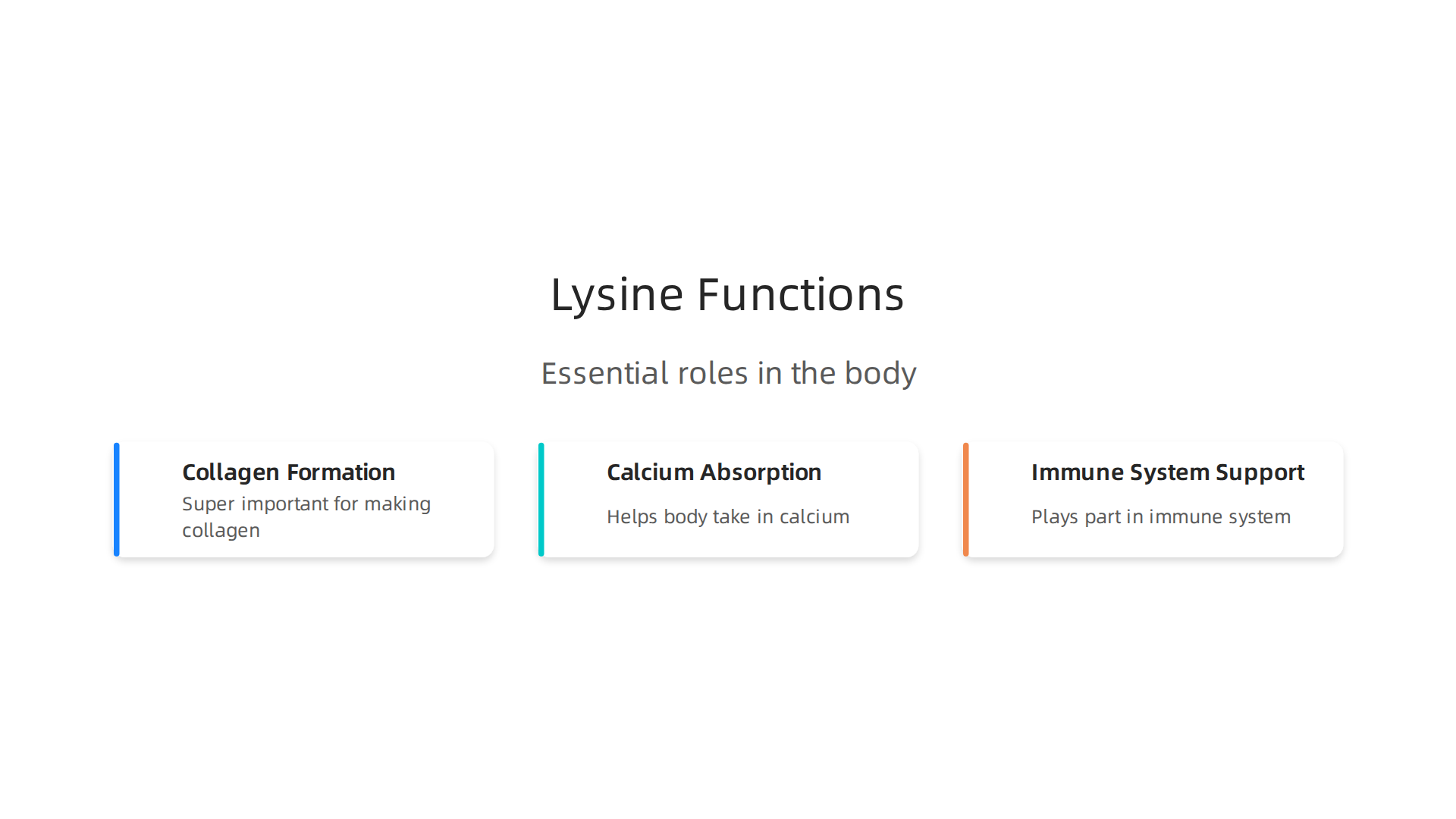
- Collagen Formation: It’s super important for making collagen, which is like the glue that holds your body together. Collagen helps keep your skin firm, your joints moving well, and your bones strong. This is especially good news for athletes whose bodies undergo a lot of stress.
- Calcium Absorption: Lysine helps your body take in and use calcium, which is crucial for healthy bones and teeth. If you’re looking to support strong bones, understanding how to Choose and take calcium citrate supplements for active lifestyles can be helpful.
- Immune System Support: It also plays a part in keeping your immune system strong, helping you fight off sickness. For active people, staying healthy means staying consistent with training.
Where Do We Get Lysine? Dietary Sources
Since your body can’t make lysine, you need to get it from your diet. Good sources of lysine are usually foods rich in protein.
Here are some common foods that contain lysine:

- Meat and Poultry: Chicken, beef, pork, and turkey are excellent sources.
- Fish: Many types of fish contain good amounts of lysine.
- Dairy Products: Milk, cheese, and yogurt are also good options.
- Eggs: A common source of many essential amino acids.
- Plant-Based Foods: If you follow a vegetarian or vegan diet, you can still get lysine from foods like legumes (beans, lentils), soy products (tofu, tempeh), quinoa, and some nuts and seeds. However, plant-based diets sometimes need more careful planning to ensure enough high-quality protein, as some plant proteins might be lower in certain essential amino acids like lysine Improving the protein quality of New Zealand vegan diets – Frontiers.
Why Athletes Need to Pay Attention
For "everyday athletes" and those serious about their fitness journey, getting enough lysine is especially important. When you work out, your muscles break down a little bit. Lysine helps in the repair process, allowing your muscles to grow back stronger.

This is key for faster recovery and better performance over time.
Also, because lysine helps with collagen and calcium, it supports strong bones and connective tissues. This can help prevent injuries that might come from intense training. If your diet doesn’t consistently provide enough high-quality protein, or if you’re on a protein-restricted diet, it can impact your overall health and how your body regulates nutrients Protein-Restricted Diets and Their Impact on Metabolic Health and …. This is where a lysine supplement might become a useful tool to make sure you’re meeting your body’s needs, especially if you’re pushing your limits in training.
When we talk about fitness, it’s easy to focus on big workouts and meal plans. But the tiny building blocks of our bodies, like lysine, play a huge role. For athletes and anyone serious about their health, knowing what the science says about lysine is key. Let’s look at the evidence for how lysine helps with recovery, muscles, and staying healthy.
Lysine for Faster Recovery and Stronger Muscles
One of the biggest benefits of a lysine supplement for active people is how it helps your body bounce back after exercise. When you work out, tiny tears happen in your muscles. This is normal and helps them grow, but quick repair is super important. Lysine helps in this muscle repair process, making your recovery faster The Benefits of a Lysine Supplement For Athletes – Quantum Health.
Lysine is also a main helper in making collagen. Remember, collagen is like the body’s super glue, keeping your skin, joints, and bones strong. For athletes, strong joints and connective tissues mean fewer injuries and better support during tough training. Studies show that lysine plays a role in helping body tissues grow and get better after damage

Lysine health benefits: Evidence and food sources. So, getting enough lysine helps your body build and fix itself, which is exactly what you need for muscle growth and repair.
Boosting Your Immune System
No one wants to get sick, especially when they’re in the middle of a training schedule. Lysine helps keep your immune system strong, which is your body’s defense against germs. Some research suggests that lysine can help fight off certain viruses, like the one that causes cold sores Does Lysine Work for Cold Sores? Here’s What Studies Say – GoodRx. This means a lysine supplement might help you stay healthier and on track with your fitness goals.
Beyond lysine, other nutrients are also key for keeping your immune system robust and aiding recovery. Many athletes also consider a good Vitamin C Rose Hips Help Active People Recover Faster and Stay Healthy to support their body’s defenses and speed up recovery after intense workouts Effect of Vitamin C Supplementation on Post-Exercise Recovery.
What the Evidence Shows
For athletes, the evidence suggests that lysine is a valuable nutrient for supporting muscle repair, aiding recovery, and boosting the immune system. While more studies are always happening, the roles of lysine in collagen formation and protein building are well-known. When thinking about your supplement routine, a lysine supplement can be a smart choice, especially if your diet might be lacking.
It’s also worth remembering that lysine works best when your body has all the other important nutrients it needs. For example, some people use magnesium supplements for better muscle function and recovery, or vitamin b12 supplements for energy. You can learn more about Magnesium Benefits for Fitness: Elevate Your Recovery and Performance and how to choose Choosing the Best B12 Supplement: Forms, Doses, and Quality to support your active lifestyle.
Lysine is clearly important for muscle repair and your immune system. Now, let’s talk about how to actually use a lysine supplement effectively. Knowing the right forms, doses, and timing can make a big difference in reaching your fitness goals.
Common Forms of Lysine Supplements
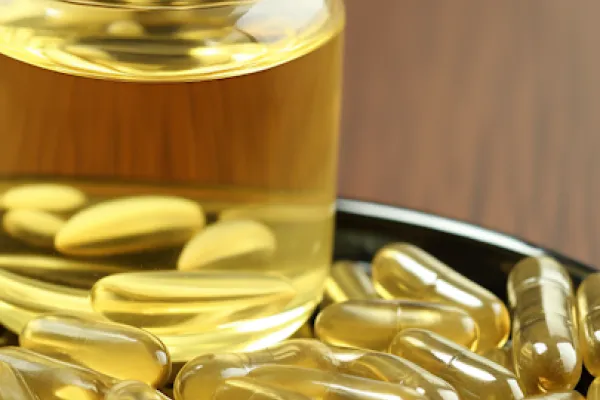
When you look for a lysine supplement, you’ll mostly see it as L-lysine HCl. This is the most common and studied form. HCl simply means hydrochloride, which helps your body absorb the lysine easily. You can find it in:
- Capsules or Tablets: These are easy to take and have a measured dose in each pill.
- Powders: Lysine powder can be mixed into water, juice, or your protein shake. This form can be good if you need to take higher doses or prefer not to swallow pills.
Both forms generally work well, but powders might be absorbed a tiny bit faster since your body doesn’t need to break down a capsule first.
How Much Lysine Should You Take and When?
The amount of lysine supplement you need can change based on your goals and diet. For general health and immune support, many people take around 500 mg to 1 gram (1000 mg) per day. For athletes or people looking for more support with muscle recovery or during times of stress, higher doses might be suggested, often between 1 to 3 grams daily. Some studies have looked at the safety of adding amino acids to foods and supplements in general, finding that typical doses are safe for most people Assessment of added amino acids to foods and food supplements. However, it’s always smart to talk to a doctor or a nutrition expert before taking large amounts of any supplement.
When it comes to timing, you can take lysine with or between meals. Taking it with food might help if you have a sensitive stomach. Some athletes prefer to take it after workouts to help with muscle recovery, or before bed to support overnight repair processes.
Pairing Lysine with Other Important Nutrients
Lysine works best as part of a balanced diet and supplement plan. Many active people pair their lysine supplement with other key nutrients:
- Vitamin C: This vitamin helps lysine in making collagen and also boosts your immune system.
- Magnesium:
Magnesium supplementsare great for muscle function and reducing cramps, which is helpful alongside lysine for recovery. - B Vitamins: Especially
vitamin b12 supplements, these are crucial for energy production, which is important for your workouts and overall vitality. - Glutamine: A
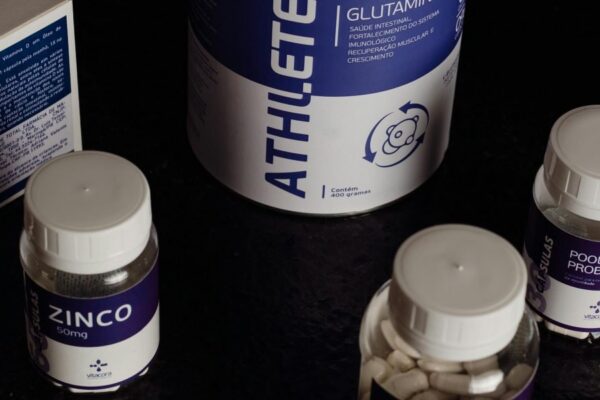
glutamine supplementcan also support muscle recovery and gut health, making it a good partner for lysine.
Choosing the right supplements can feel like a lot. To help you make smart choices, you can learn more about how to Pick Safe Effective Products at Any Vitamin Supplement Shop. If you’re looking for high-quality, scientifically-backed products to support your fitness journey, you can also explore vetted fitness products that have been carefully selected for everyday athletes like you.
It’s really important to know about the possible side effects, what to watch for, and how a lysine supplement might work with other things you take. Even good things can have too much or not mix well.
Possible Side Effects of Lysine
For most healthy people, taking a lysine supplement in normal amounts is usually safe. However, if you take too much, you might notice some tummy troubles. This can include feeling sick to your stomach, having stomachaches, or even diarrhea Safety assessment of L-lysine oral intake: a systematic review.
In some rare cases, more serious problems have been reported. These can include issues with your kidneys, like developing gallstones or problems with how your kidneys work Complementary and Alternative Medicine – Lysine – ADAM. Headaches and dizziness have also been noted. It’s really key to not go over the suggested doses without talking to a healthcare expert.
Who Should Be Extra Careful with Lysine?
Some people need to be more careful or avoid a lysine supplement altogether:
- People with Kidney Problems: If you have any kidney disease, it’s very important to talk to your doctor before taking lysine. It could make your condition worse.
- Pregnant or Breastfeeding Individuals: There isn’t enough research to know if lysine is safe for pregnant or breastfeeding mothers. It’s best to avoid it during these times to be safe Does Lysine Work for Cold Sores? Here’s What Studies Say – GoodRx.
- Those with Allergies: If you are allergic to lysine or any part of the supplement, you should not take it Lysine: Side Effects, Uses, Dosage, Interactions, Warnings – RxList.
Always check with a doctor before starting any new supplement, especially if you have a health condition or are unsure.
Lysine and Other Medicines
When it comes to how lysine interacts with other medicines, there are generally no known major issues. WebMD states there are no known interactions between lysine and medicines
Lysine: Uses, Side Effects, Interactions, Pictures, Warnings & Dosing. However, it’s always smart to tell your doctor about all the prescription and over-the-counter medicines you take, as well as any other supplements like a vitamin b12 supplement or magnesium supplements. This helps them give you the best advice for your health plan.
Making smart choices about your supplements, like a lysine supplement or a vitamin c supplement, means knowing what they do and how they affect your body. Learning about how to pick the right options for your needs is a big step. For example, understanding how to choose supplements for specific vitamins like Choosing the Best B12 Supplement: Forms, Doses, and Quality can help you feel more confident about your health choices.
Choosing a lysine supplement can feel tricky with so many options out there. But by looking at a few key things, you can pick a good one that helps your health goals. This is about making smart choices for your body.
What to Look For on the Label
When you’re checking out a lysine supplement, the label is your best friend. Here’s what to keep an eye on:
- Simple Ingredients: A good supplement often has a short and clear ingredient list. You want to see "L-Lysine" as the main thing. Try to avoid products with lots of extra fillers, artificial colors, or strange ingredients you don’t recognize. Some top supplements focus on clear ingredients without unnecessary extras, helping you avoid hidden ingredients that don’t help your body.
- Dosage Per Serving: Look at how much lysine you get in one pill or scoop. The label will say something like "500 mg per capsule." This helps you know if you’re getting the right amount for your needs without taking too many pills.
- Manufacturing Standards: Check if the company follows good rules for making their supplements. Look for words like "GMP Certified" or "Good Manufacturing Practices." This means they follow strict steps to make sure their products are safe and made correctly. You can also look for a "USP Verified" seal, which means the product meets high quality, purity, and strength standards.
Why Third-Party Testing Matters
One of the most important things for choosing any supplement, including a lysine supplement, is to look for third-party testing. This means an outside group, not the company that made the supplement, checks the product. They make sure that what the label says is actually inside the bottle and that there are no harmful things like heavy metals or other bad stuff Why is Third-Party Certification Important for Dietary Supplements?.
Some well-known groups that do this testing include:
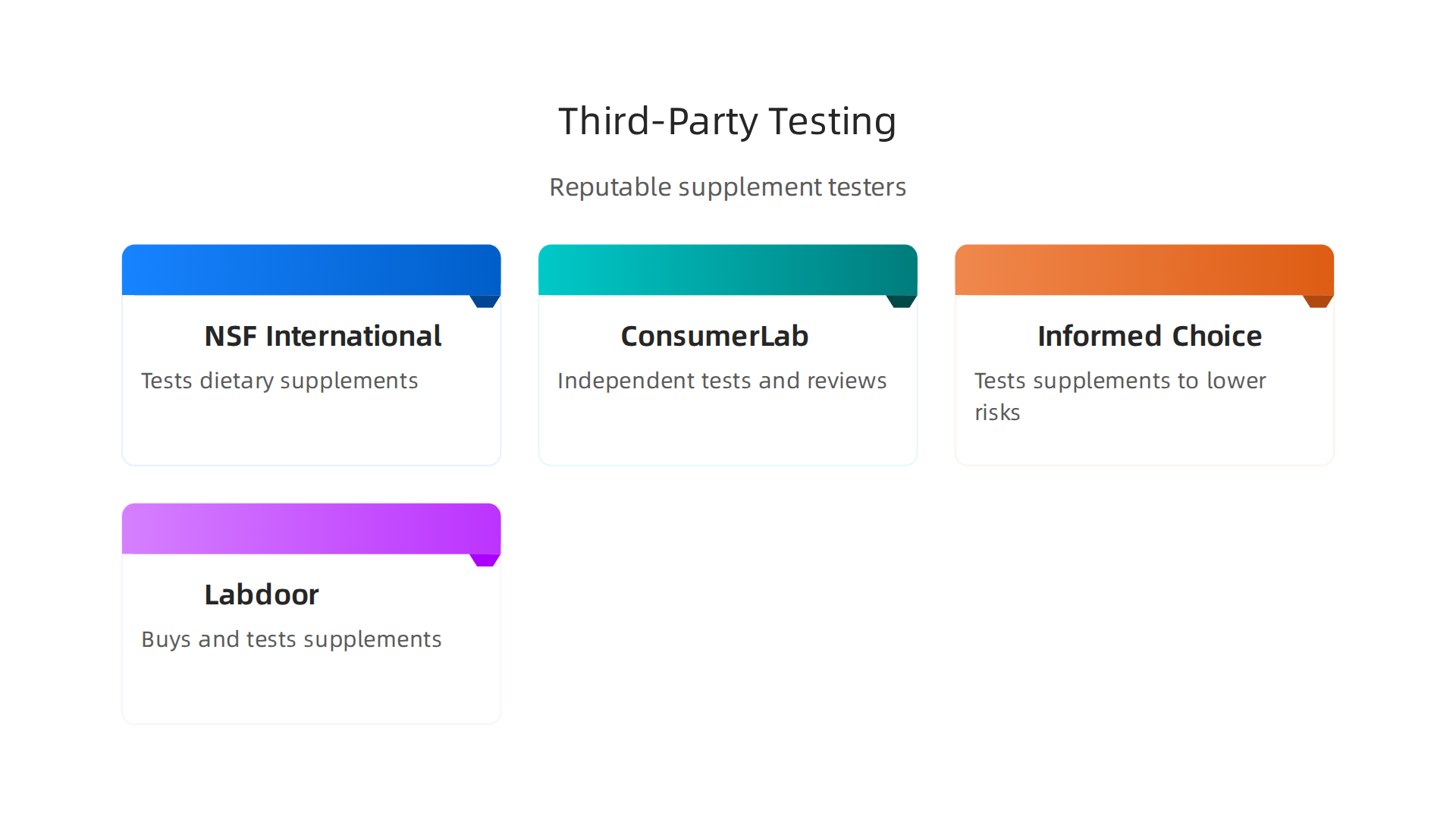
- NSF International: This group tests dietary supplements to make sure they are what they say they are Dietary Supplement and Vitamin Certification – NSF.
- ConsumerLab.com: They do independent tests and reviews of many supplements, including
lysine supplementoptions Independent Tests and Reviews of Vitamin, Mineral, and Herbal …. - Informed Choice: This program tests supplements to lower the risks for people using them, especially athletes Third Party Supplement Testing – Informed Choice.
- Labdoor: This company buys supplements from stores, tests them in labs, and shares the results.
When you see a seal from one of these groups, it’s a good sign that the lysine supplement has been checked by an expert. This helps you trust that you’re getting a quality product. Harvard Health also points out the value of vetting your supplements and looking for certifications from trusted independent third parties Start vetting your supplements – Harvard Health.
Red Flags to Watch Out For
Sometimes, companies make big promises that are too good to be true. Be careful of these red flags:
- "Cures All" Claims: No single supplement can fix every health problem. If a product claims to cure many different illnesses, it’s likely not being honest.
- "Secret Ingredient" Hype: Be wary of products that talk about a "secret formula" or amazing new ingredients without clear science behind them.
- Missing Information: If a label is hard to read, doesn’t list ingredients clearly, or doesn’t show any third-party testing, it’s best to look for another option.
Choosing a good lysine supplement is similar to choosing any other supplement, like magnesium supplements or vitamin b12 supplements. You want to find products that are tested, clear about their ingredients, and come from companies you can trust. For more help finding trustworthy options, learn how to Pick Safe Effective Products at Any Vitamin Supplement Shop. It’s all about being a smart shopper for your health!
To explore a wide range of vetted fitness and nutrition products, including various types of supplements, you can browse trusted options. Many platforms offer a vast selection of health-boosting products to help you achieve your fitness goals. Browse vetted fitness and nutrition products here.
Where Lysine Fits into Recovery, Muscle Growth, and Overall Nutrition Strategy
Lysine is an important building block for your body, especially when it comes to getting stronger and recovering from exercise. It’s one of the "essential" amino acids, which means your body can’t make it on its own. You have to get it from the foods you eat or from a lysine supplement.
Think of amino acids as tiny bricks that build up your muscles and other body parts. Lysine is a key brick that helps with something called muscle protein synthesis. This is the process where your body fixes and grows muscle after a tough workout. Without enough lysine, your body can’t build new muscle tissue as well or repair damaged cells, which can slow down your progress. Research shows that proper evaluation of dietary protein quality is important for human nutrition, and essential amino acids like lysine play a big role Dietary protein quality evaluation.
Lysine also works with other amino acids to help your body recover. It’s involved in making collagen, which is a big part of your bones, skin, and connective tissues. This is why it’s so helpful for healing from injuries and keeping your body strong. Athletes often look for ways to boost recovery, and while many supplements like a vitamin c supplement or a glutamine supplement are popular, lysine quietly does its part in the background. In fact, many people consider the Benefits of a Lysine Supplement For Athletes because it supports overall performance and your immune system.
Smart Nutrition Strategies for Lysine
To make sure you get enough lysine, you can focus on eating foods rich in protein.

Here are some great sources:
- Meat and Poultry: Chicken, beef, pork, and lamb are packed with lysine.
- Fish: Tuna, cod, and salmon are good options.
- Dairy Products: Milk, cheese, and yogurt contain lysine.
- Eggs: A simple and effective source.
- Legumes: Beans, lentils, and chickpeas are good plant-based sources. For those on vegan diets, it’s important to find ways to get all essential amino acids, and some dietary modifications can Improve protein quality of vegan diets.
- Soy Products: Tofu and tempeh are also good for plant-based diets.
For athletes or people with specific dietary needs, a lysine supplement might be a smart addition. For example, if you’re eating less protein overall, you might need to pay closer attention to your amino acid intake. This is especially true when protein intake directly impacts muscle and metabolic health, as explored in reviews on Protein-Restricted Diets and Metabolic Health.
Just like with other key nutrients such as magnesium supplements for recovery or vitamin b12 supplements for energy, thinking about lysine in your diet helps support your body’s fitness goals. It’s all part of a bigger plan to get strong and stay healthy. You can also explore other ways to support your body’s recovery, such as understanding how a Vitamin C Rose Hips Help Active People Recover Faster.
Practical step-by-step: who should consider lysine, how to start, and a quick buying checklist
Now that you know how important lysine is for your body, especially for muscle growth and getting better after workouts, you might be wondering if a lysine supplement is right for you. It’s a good idea to think about your own needs before adding any new supplement.
Here’s a simple checklist to help you decide if a lysine supplement might be a good fit:
- Are you plant-based? If you don’t eat meat, fish, or dairy, it can sometimes be harder to get enough lysine from food alone.
- Are you an active person or athlete? People who work out a lot or train hard need more protein and amino acids to help their muscles recover and grow.
- Do you want to boost your immune system or help with cold sores? Some studies suggest that lysine can help with these health concerns [4 Impressive Health Benefits of Lysine].
- Are you looking to improve overall recovery? While you might use
magnesium supplementsor aglutamine supplementfor recovery, lysine plays a key role in building and repairing tissues. - Is your diet often lacking in protein-rich foods? If you sometimes struggle to eat enough protein, your lysine intake might be low.
If you answered yes to one or more of these, a lysine supplement could be helpful. But always talk to your doctor or a health expert before starting any new supplement, just to be safe.
How to Start Taking a Lysine Supplement
If you decide to try a lysine supplement, starting is easy.
- Read the Label: Follow the directions on the product you buy. Most supplements will tell you how much to take.
- Start Small: Sometimes it’s good to start with a smaller dose to see how your body reacts, then slowly increase it if needed.
- Be Consistent: For the best results, try to take your supplement every day as directed.
- Track How You Feel: Pay attention to your body. Do you feel better? Is your recovery quicker? Are your muscles growing?
Your Quick Buying Checklist for Lysine
When you’re ready to pick a lysine supplement, it’s smart to have a checklist to make sure you get a good quality product. This is just like when you choose a vitamin c supplement or vitamin b12 supplements; quality matters.
- Look for Third-Party Testing: This is super important. It means an outside company has checked the supplement to make sure it contains what it says it does and is free from harmful stuff. Organizations like NSF provide certification for dietary supplements [Dietary Supplement and Vitamin Certification – NSF]. You might also see seals from groups like Informed Choice [Third Party Supplement Testing – Informed Choice], which helps lower risks with dietary supplements. Checking for these seals helps you pick safe and effective products [Why is Third-Party Certification Important for Dietary Supplements?].
- Check Independent Reviews: Websites like ConsumerLab.com and Labdoor test supplements and share their findings, giving you honest reviews and ratings [Independent Tests and Reviews of Vitamin, Mineral, and Herbal …]. These can help you find the best options, like some of the top lysine supplements for 2026 [Best Lysine Supplements | Our top 5 of 2026].
- Simple Ingredients: Look for a
lysine supplementthat has pure L-lysine and not a lot of extra fillers. - Choose Your Form: Lysine comes in different forms, like capsules, tablets, powders, or even gummies [Lysine: Uses, Side Effects, Interactions, Pictures, Warnings & Dosing]. Pick the one that’s easiest for you to take.
To learn more about choosing quality products, you can explore guides on choosing the best b12 supplement forms doses and quality, which offer helpful tips for any supplement. Finding good health and fitness information can be hard, but resources like RepCore Fitness & Nutrition help everyday athletes like you make smart choices for your fitness journey.
Summary
This guide explains why lysine — an essential amino acid your body cannot make — matters for athletes and active people, detailing its roles in protein synthesis, collagen formation, calcium absorption and immune support. You’ll learn which foods are richest in lysine (from meat and dairy to legumes and soy), when a lysine supplement may help, and the common forms and doses used for general health and enhanced recovery. The article reviews the evidence for lysine’s benefits in muscle repair and cold‑sore management, outlines safety concerns and interactions, and gives a practical buying checklist (simple ingredient lists, clear dosing, GMP/third‑party testing). It also shows how lysine fits into a broader nutrition plan with vitamin C, magnesium and B12, and offers a step‑by‑step approach for deciding whether and how to start supplementation safely.



Get practical training, recovery, and nutrition insights in your inbox