
Magnesium Benefits for Fitness Elevate Your Recovery and Performance


Why magnesium matters for people serious about fitness
Do you work out hard but still feel tired a lot?

Maybe you get muscle cramps that slow you down, or you find it tough to bounce back after a tough gym session?
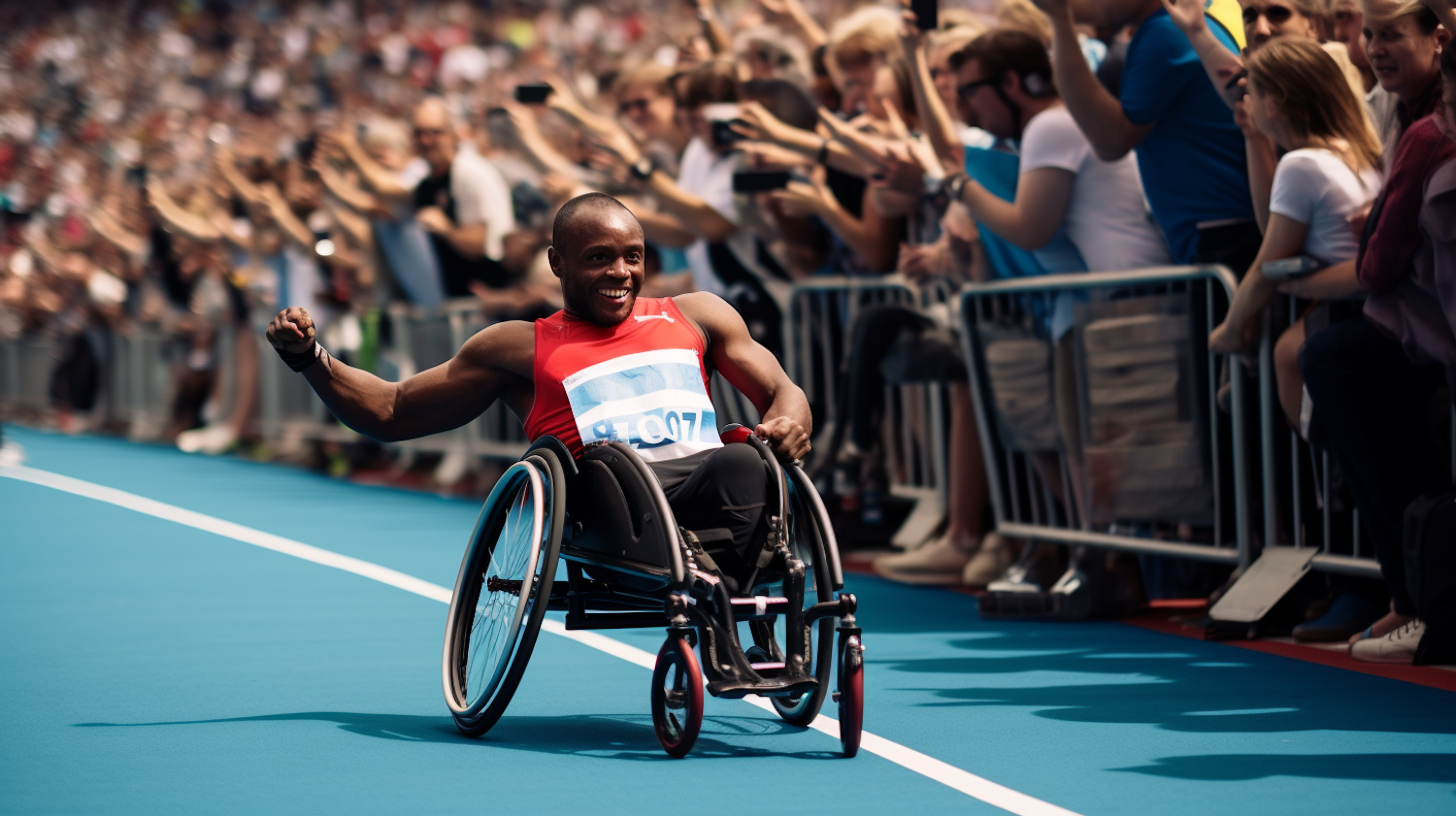
Many people serious about their fitness journeys face these common problems. Things like feeling worn out, not recovering well, having trouble sleeping, getting cramps, and hitting a wall in your progress can be really frustrating.
It feels like you’re doing everything right, but something is still missing.
Actually, a lot of these common struggles might point to something important your body needs more of: magnesium. This powerful mineral is often talked about as a key part of the solution for active individuals. Why? Because magnesium plays a huge role in how your muscles work, how your body heals, and even how well you sleep at night.
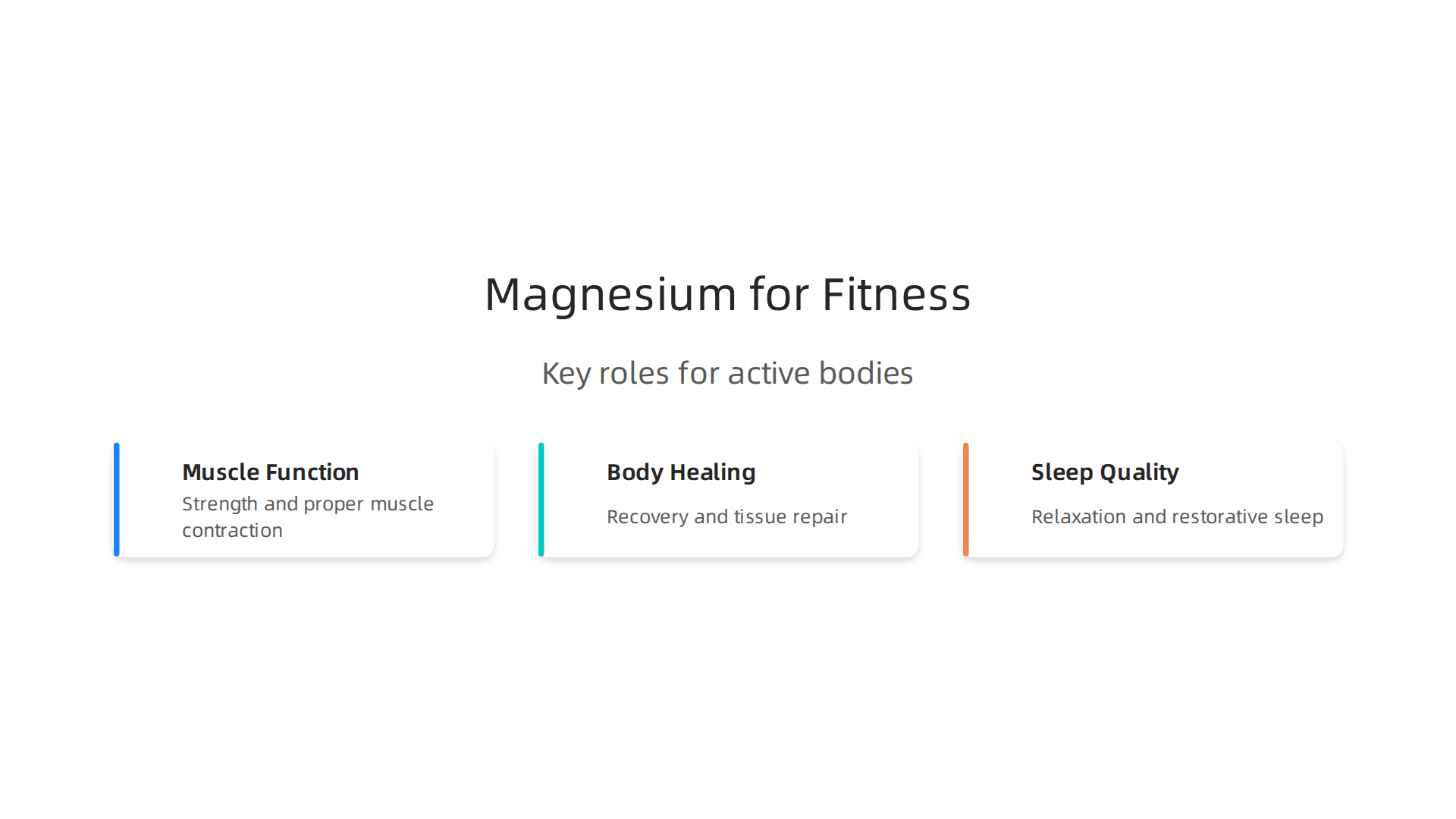
Studies show that magnesium helps keep your muscles strong and working right, which is super important for anyone who exercises regularly 1.


It also helps with muscle relaxation and can make recovery better after you work out 2.
That’s why many people look into magnesium supplements to help them feel better and perform their best.
In this guide, we’re going to dive deep into the magnesium benefits supplement users can expect, backed by real science. We’ll explore exactly what magnesium does for your body, especially for muscle health and overall performance 3.

You’ll learn who might need magnesium supplements the most, which forms of magnesium are best for different goals (like magnesium glycinate supplement for better sleep or supplements for muscle relaxation), and important safety tips.

Our goal at RepCore is to give you clear, easy-to-understand info so you can choose a product that truly helps you reach your fitness goals.
If you’re looking for trusted options, you can explore a range of high-quality supplements vetted for effectiveness and scientific backing 4.

Summary
This article explains why magnesium is a critical mineral for people serious about fitness, linking common problems like fatigue, muscle cramps, poor recovery, and sleep issues to low magnesium status. It covers the science-backed benefits for muscle function, relaxation, and post-exercise recovery, and explains which athletes or active people are most likely to need extra magnesium. You’ll learn the differences between supplement forms (for example, glycinate for sleep and relaxation), practical dosage and timing advice, and how to prioritize food sources versus supplements. The guide also walks through safety considerations, potential interactions, and common mistakes to avoid when adding magnesium to your routine. By the end, you should be able to identify whether magnesium could help your training, choose an appropriate form and dose, and pick a vetted product that supports your fitness goals.






Get practical training, recovery, and nutrition insights in your inbox