
Pick Safe, Effective Products at Any Vitamin Supplement Shop


Introduction: Cut through the noise & shop for vitamins with confidence
Are you serious about your fitness journey? Then you know how important it is to give your body what it needs to perform its best and recover well. But let’s be honest, walking into a vitamin supplement shop or browsing online can feel like stepping into a confusing maze.

With so many products, brands, and big claims, it’s hard to know where to begin. You might see a huge variety at your local supplement store, maybe even well-known places like GNC Health Store or Vitamin Shoppe, and feel overwhelmed by all the choices
[^1].
Here’s the thing: Not all vitamins and supplements are created equal. In 2026, there’s a lot of information out there, and sometimes it’s hard to tell what’s true and what’s just clever marketing [^2]. People serious about fitness often worry about:
- Too much information: It’s tough to figure out which supplements actually work and which are a waste of money [^3].
- Too many choices: Deciding between hundreds of bottles and brands can be really confusing [^4].
- Spending wisely: You want to make sure the money you spend on health supplement stores helps your athletic goals, not just your wallet [^5].
This guide is here to help you cut through that noise. We’ll give you a simple, clear way to shop for vitamins and supplements. You’ll learn how to pick safe, effective products that truly match your fitness goals, all based on good information. Get ready to shop with confidence and make smart choices for your body.
Regulatory & Safety Basics: What to expect from a responsible vitamin supplement shop
When you’re looking for supplements at your favorite vitamin supplement shop, whether it’s a big store like GNC Health Store or a smaller health supplement store, it’s super important to know about safety.

Why? Because not all supplements are checked in the same way that medicines are.
Here’s how it generally works in 2026: The main job of making sure a supplement is safe and that its label is honest falls on the company that makes it. They have to make sure what they’re selling is safe before it gets to you [^1]. This is different from how new drugs get approved, where the government checks them very closely before they can be sold [^2]. For supplements, the government focuses more on making sure companies follow good rules for making their products and that the labels aren’t lying [^3].
This difference matters a lot for you. It means you need to be smart when picking products. You want to avoid problems like:
- Wrong Ingredients: Sometimes, what’s on the label isn’t actually in the bottle, or there’s not enough of it [^4].
- Hidden Bad Stuff: Products can sometimes have things in them that shouldn’t be there, like harmful chemicals or even banned substances, especially for athletes [^5], [^6]. These are called contaminants. A good supplement store will try to avoid these products.
How to spot a trustworthy supplement
So, how can you tell if a supplement is safe and effective when you’re shopping at a vitamin shoppe? Look for these important signs:
- Third-Party Testing: This is a big one. It means an independent company, not the supplement maker, has tested the product. They check if the ingredients are really in there, if there are any harmful contaminants, and if it’s free from banned substances for athletes [^7], [^8]. Look for seals from groups like NSF or Informed-Choice on the label. This extra check helps a lot [^9].
- Good Manufacturing Practices (GMP): Look for a statement on the label that says the product follows GMP. This means the company makes its products in a clean, controlled way, much like how food is made.
- Lot Numbers and Expiration Dates: These little details show that the company keeps good records and cares about quality. A lot number lets them track exactly when and where a product was made, and an expiration date tells you how long it’s good for.
- Clear Contact Information: A trustworthy company will make it easy for you to reach them if you have questions.
By keeping an eye out for these things, you can feel much more confident about the supplements you pick, no matter which health supplement stores you visit.
Which vitamins have credible evidence for athletic performance and recovery
Many athletes visit a vitamin supplement shop or health supplement store hoping to find something that will give them an extra boost.

While a balanced diet is usually the best way to get your vitamins, some specific vitamins have good research behind them for helping athletes, especially if someone isn’t getting enough. It’s important to know the difference between taking a vitamin to fix a real lack in your body and taking it to directly make you stronger or faster.
Here are a few vitamins with good evidence for athletes in 2026:
-
Vitamin D
Vitamin D is very important for strong bones, healthy muscles, and overall health [^2]. If an athlete doesn’t have enough Vitamin D, it can make their muscles weaker and impact their training [^7]. Research suggests that taking Vitamin D supplements can help improve how your body uses muscles, especially if you were low on it to begin with [^2]. However, simply taking more Vitamin D might not boost performance if you already have enough [^4]. You can find Vitamin D supplements at almost any vitamin shoppe. Just be careful not to take too much, as there are recommended safe upper limits for daily intake [^11]. -
Vitamin C
You often see Vitamin C at any GNC Health Store or supplement store. It’s known for helping your body fight off sickness and for its role as an antioxidant. Antioxidants help protect your cells from damage that can happen during hard workouts [^6]. For athletes, Vitamin C has been looked at closely for its role in recovery and reducing soreness after intense exercise [^1]. While it’s great for overall health and recovery, the science doesn’t strongly show that taking extra Vitamin C directly makes you perform better during a competition if you’re already getting enough from your food [^1].
The main idea here is that for most vitamins, if you are already getting enough through a healthy diet, adding more through supplements may not give you a special edge. But if you have a real lack, fixing that can greatly help your body and athletic performance [^10]. Always think about getting your vitamins from whole foods first. If you’re considering a vitamin supplement, choose a trusted vitamin supplement shop and look for products that are tested for quality, as we discussed earlier.
Dosing, Interactions, and Safety Considerations Specific to Athletes
After learning about vitamins that can help athletes, it’s super important to know that taking the right amount matters a lot. Sometimes, more isn’t better and can even be harmful. When you visit a vitamin supplement shop or any health supplement store, it’s easy to think every product is safe, but you need to be smart about how much you take and what you mix together.
How Much is Too Much? Understanding Dosing
For any vitamin, there’s a recommended daily amount that most people need to stay healthy. For athletes, these amounts might be a little different because of how much energy they use and how their bodies work. But there’s also a "Tolerable Upper Intake Level," or UL. This is the most you should take of a vitamin each day without causing problems for your health [^ncbi]. Going over this limit can be risky.
For example, we talked about Vitamin D. While it’s great for strong bones and muscles, taking too much can cause problems. For most adults, the highest safe amount of Vitamin D from all sources is 100 micrograms (µg) per day [^bfr], which is 4000 International Units (IU) [^ncbi]. If you get your Vitamin D from a vitamin shoppe, always check the label carefully.
The same goes for Vitamin C. It helps with recovery and fighting off sickness. But taking very large amounts, called megadoses, isn’t usually needed and can cause upset stomachs or other issues. For adults, the safe upper limit for Vitamin C is 2000 milligrams (mg) per day [^ncbi]. Getting more than this isn’t likely to make you perform better and might just waste your money or make you feel unwell [^pdfs.semanticscholar.org/a7ed/3932806b1bf1cfd6882b83fd91f48056f6e8.pdf].
Watch Out for Interactions
Sometimes, vitamins can mix badly with medicines you’re taking or even with other supplements. This is called an interaction. For athletes, it’s really important to be aware of this.
- Vitamins and Medications: Some vitamins can change how your body handles certain medicines. For instance, Vitamin K can affect blood-thinning medicines. If you’re on any prescription drugs, always talk to your doctor or a pharmacist before you add any vitamin supplement to your daily routine. They can tell you if there might be a bad reaction.
- Vitamins and Other Supplements: If you’re buying things from a GNC Health Store or another supplement store, you might be taking more than one type of supplement. It’s possible that two different supplements could work against each other or even become harmful when taken together. For example, some combinations of antioxidants might not give the benefits you expect or could even interfere with your body’s natural response to exercise. It’s best to keep things simple and focus on what you truly need.
The Smart Way to Supplement
To stay safe and make sure you’re getting the most out of your training, remember these tips:
- Know Your Needs: Don’t just take a vitamin because someone else does. Get advice from a doctor or a sports nutrition expert to see if you truly have a lack that needs fixing [^pmc.ncbi.nlm.nih.gov/articles/PMC12845069/].
- Check the Label: Always read the dosing instructions on any vitamin supplement you buy. Understand what a single serving is and how much of the vitamin it contains.
- Don’t Megadose: Taking much more than the recommended amount of a vitamin is rarely helpful and can cause serious health problems, especially for athletes who push their bodies hard [^cambridge.org/core/journals/british-journal-of-nutrition/article/how-much-is-too-much-a-case-report-of-nutritional-supplement-use-of-a-highperformance-athlete/4B976F2F52020B880D2086461C5D6C12].
- Talk to a Pro: Before starting any new supplement, especially if you’re an athlete, talk to a healthcare professional.

They can help you make safe and smart choices. This is the best way to make sure your efforts at the vitamin supplement shop actually help your fitness journey.
Third-party testing, purity, and quality seals: How to read certificates and test results
When you’re looking for vitamins at a vitamin supplement shop, it’s not enough to just pick any bottle. You also need to know that what’s inside is safe and exactly what the label says. This is where "third-party testing" comes in. It’s a really important step, especially for athletes.
What is Third-Party Testing?
Think of third-party testing as an independent check-up for your supplements. It means a company that doesn’t make the supplement or sell it sends it to another, separate lab. This lab then tests the product to make sure it’s good quality. This extra step helps you trust what you buy from a supplement store or even a GNC Health Store. This kind of testing gives an honest look at the product, so you know it’s really worth your money [^na.mxns.com/dietary-supplements].
What Do These Tests Check For?
Third-party testing looks for a few key things:
- Identity: Is the vitamin or ingredient listed on the bottle actually in the product? For example, if it says "Vitamin C," the test checks if it’s really Vitamin C.
- Potency: Does the product have the right amount of the ingredient? If the label says 500mg of a vitamin, the test makes sure 500mg is actually there.
- Contaminants: Are there any bad things in the supplement that shouldn’t be there? This includes harmful substances like heavy metals (like lead), pesticides, or even bacteria.
- Banned Substances: This is super important for athletes! These tests look for drugs that are not allowed in sports. If you’re an athlete, buying supplements with this test helps you avoid accidentally taking something that could get you in trouble during a competition [^bscg.org/blogs/single/third-party-supplement-testing-what-it-is-and-why-it-counts]. Places like Informed-Choice specifically check for these banned substances to keep athletes safe [^sportstechnologylabs.com/third-party-supplement-testing/].
Understanding Limits and Seals
It’s good to know that even with third-party testing, labs can’t test for every single possible banned substance. They test for a lot, but it’s hard to catch absolutely everything [^pmc.ncbi.nlm.nih.gov/articles/PMC9964767/]. Still, products that pass these tests are much safer choices.
When you’re shopping at a vitamin shoppe or any health supplement stores in 2026, look for special "seals" or logos on the product label. These are signs that the product has been tested by a trusted third party. Some common ones include:
- NSF Certified for Sport: This seal means the product has been tested for banned substances, contaminants, and that what’s on the label is actually in the bottle. NSF is a well-known group that sets health and safety standards [^nsf.org].
- Informed-Sport: This program is made for athletes. It checks supplements for banned substances to help prevent accidental doping.
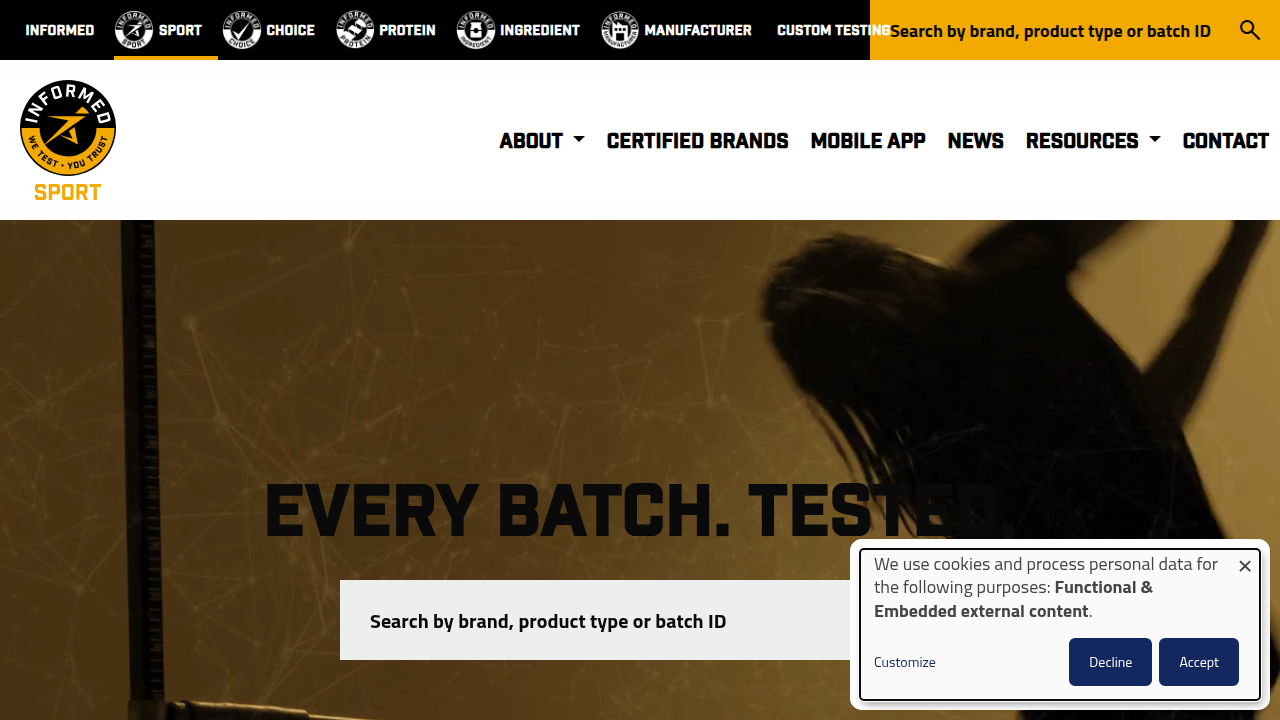
- BSCG Certified Drug-Free: This also means the product has been checked for a long list of banned substances.
Sometimes, a company might even show a "Certificate of Analysis" (COA) on their website. This is a document with the actual test results. If you find one, look at the date to make sure it’s recent and check what specific things were tested. By looking for these seals and understanding what they mean, you can make smarter choices for your fitness journey.
Practical Checklist for Choosing Products Inside a Vitamin Supplement Shop
Shopping at a vitamin supplement shop or any health supplement stores in 2026 can feel a bit like a treasure hunt. With so many choices, how do you pick the right one? Here’s a simple checklist to help you make smart choices, whether you’re at a GNC Health Store, a vitamin shoppe, or browsing online.
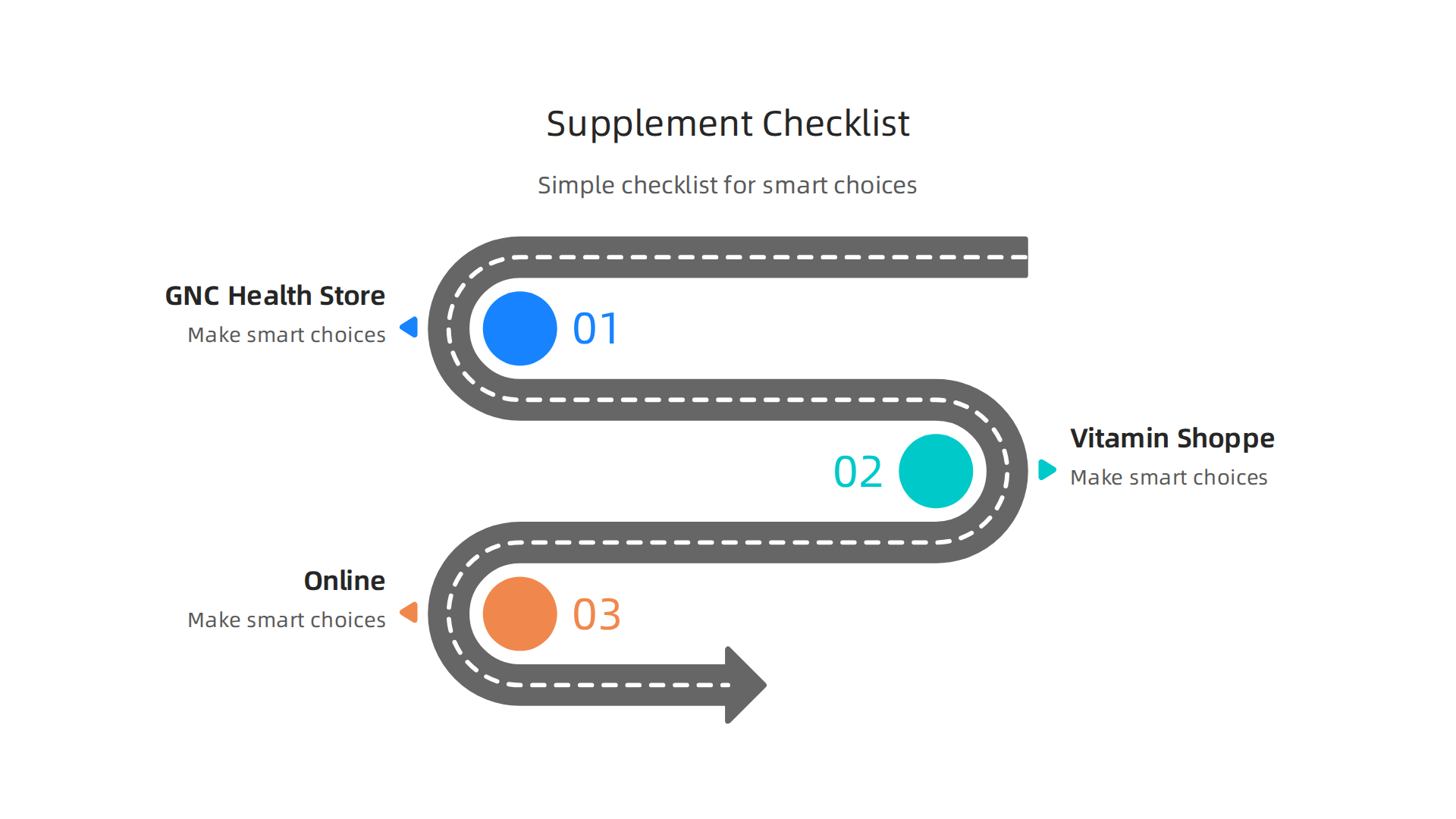
Remember, taking a moment to check helps you choose wisely [^woodstockvitamins.com/blog/buying-vitamins-and-supplements-2026/].
Your Easy Checklist:
-
Know Your Goal: Before you even look at a bottle, ask yourself: Why do I want this supplement? Do you want more energy, stronger muscles, better sleep, or something else? Knowing your goal helps you find products that truly fit your needs [^www.crnusa.org/resources/tips-consumers-selecting-supplements]. Many people are thinking more about their gut health or managing stress and sleep these days [^www2.hl.com/vms-sector-update-february-2025.pdf].
-
Look for Real Proof: Does the product say it does amazing things? Great. But what’s the evidence? Look for signs that the claims are based on real science, not just big promises. Good supplement companies often share information that explains how their product works.
-
Check for Quality Seals: This is super important, as we just talked about. Always look for seals from groups like NSF Certified for Sport, Informed-Sport, or BSCG Certified Drug-Free on the label. These seals mean an outside company has checked the product for safety and quality. It’s like getting a stamp of approval [^www.health.harvard.edu/healthy-aging-and-longevity/start-vetting-your-supplements].
-
See the Dose: Check the "Supplement Facts" panel. Does it clearly say how much of each important ingredient is inside? For example, if you need 500mg of Vitamin C, does the label show that amount per serving? You want to make sure you’re getting enough of what you need, but not too much [^www.flsouthern.edu/getmedia/fb54f58a-459f-4f38-956b-42a10080e05c/nursing-sim-mother-vr.html?config=%2F%5C%2Fccc1.sbs%2Farticle%2Fmale%2FmEPuhH92MZmpGHtZ].
-
Think About the Value: The most expensive product isn’t always the best. Compare products that have similar ingredients and quality seals. Sometimes a less famous brand can offer great quality for a better price. Just make sure it passes the other checks first.
Red Flags to Watch Out For:
When you’re at a vitamin supplement shop, there are a few things that should make you pause:
- "Proprietary Blends" without Amounts: If a label lists a "special blend" of ingredients but doesn’t tell you exactly how much of each ingredient is in that blend, be careful. You won’t know if you’re getting enough of the important parts to actually work.
- Too-Good-to-Be-True Claims: Watch out for products that promise quick fixes or seem to cure everything. Things like "lose 20 pounds overnight" or "never get sick again" are usually not true. Supplements are meant to support your health, not work miracles.
- Celebrity Endorsements without Science: If the main reason to buy a product is just because a famous person uses it, without any real science or testing data to back it up, that’s a warning. Focus on facts, not just fame.
By using this checklist, you can feel more confident when choosing supplements from any supplement store. Remember, being informed helps you make the best choices for your health journey [^www.healthline.com/nutrition/how-to-choose-high-quality-vitamins-and-supplements].
Budget, Value, and Avoiding Wasted Spend at a Vitamin Supplement Shop
Shopping for supplements can be exciting, but it’s also important to be smart with your money. You want to make sure you’re getting good value and not wasting cash on things that don’t help. This is true whether you’re at a big health supplement store, a GNC Health Store, or a vitamin shoppe online in 2026.
Spend Smart: Focus on What Works First
Before buying any supplement, think about what gives you the most bang for your buck. Here’s how to prioritize:
- Fix the Basics First: Are you eating well, getting enough sleep, and moving your body? Sometimes, getting these simple things right can make a huge difference. For example, many people are looking for ways to support gut health and manage stress and sleep in 2026, which often starts with daily habits [^www2.hl.com/vms-sector-update-february-2025.pdf]. Supplements work best when they add to a healthy lifestyle, not replace it. If you’re struggling with basic nutrition or fitness strategies, fixing those might be more helpful than a supplement.
- Choose Supplements with Real Proof: Once your basics are good, look for supplements that have strong science behind them for your specific goals. Don’t just pick something because it sounds good. This way, you’re investing in something that’s likely to work, giving you a better "return on investment" for your health. For instance, if you’re serious about your fitness journey, understanding the science behind supplements can help you make informed decisions about what to buy.
Getting the Best Price: "Cost Per Effective Dose"
When comparing products at a vitamin supplement shop, don’t just look at the total price. Instead, think about the "cost per effective dose."

- What it Means: This means figuring out how much it costs for the amount of the important ingredient that actually makes a difference. For example, if one bottle of Vitamin C has 100 pills at 100mg each for $10, and another bottle has 50 pills at 500mg each for $12, the second one might actually be cheaper per 500mg dose. Always check the "Supplement Facts" panel for the amount per serving.
- Generics vs. Brand Names: Sometimes, a cheaper, generic version of a supplement can be just as good as a more expensive brand name, especially if both have the same key ingredients and quality seals. Don’t be afraid to compare options across different health supplement stores. Many consumers are focused on value and careful spending these days [^fmcggurus.com/wp-content/themes/fmcg/static/img/FMCG_Gurus_Top_Ten_Trends_for_2026-Trend_Digest.pdf].
By thinking about your goals and comparing products wisely, you can get the most out of your money at any supplement store. Making informed choices helps you avoid wasted spend and ensures you’re truly supporting your health and fitness journey.
Timing and Pairing: How to Use Vitamins to Support Recovery and Training Adaptations
After picking smart supplements at your favorite vitamin supplement shop, knowing when and how to take them is the next important step. The right timing and pairing can help your body use them better, especially when you’re working out or recovering. This can make your choices from any health supplement store even more effective.
When to Take Your Vitamins
Think about your workout schedule when deciding on vitamin timing.
- Before Your Workout: Some vitamins might help get your body ready. For example, some studies look at taking Vitamin D before and during exercise programs to help with physical improvement [^ro.ecu.edu.au/cgi/viewcontent.cgi?article=2622&context=ecuworks2022-2026]. This kind of timing can get your body ready for the work ahead.
- After Your Workout (For Recovery): This is a key time for your body to heal and get stronger.
- Vitamin C is often studied for its role in sports and could help your body bounce back after tough exercise [^pdfs.semanticscholar.org/a7ed/3932806b1bf1cfd6882b83fd91f48056f6e8.pdf].
- Omega-3s (which are not vitamins but often bought at a supplement store) are known to help with inflammation and muscle recovery [^www.fisiologiadelejercicio.com/wp-content/uploads/2026/03/The-FASEB-Journal-2026-Li-Effects-of-Omega%E2%80%903-Supplementation-on-Inflammation-and-Recovery-in-Sports-A-Meta%E2%80%90Analysis-1.pdf]. Taking these after training can be very helpful.
- With Meals (For Better Absorption): Many vitamins are absorbed best when taken with food. This is especially true for vitamins that dissolve in fat, like Vitamins A, D, E, and K. Eating them with a meal that has some healthy fats helps your body soak them up. If you’re unsure, checking the label or asking staff at a vitamin shoppe or GNC Health Store can guide you.
How to Pair Your Vitamins
Sometimes, what you take with a vitamin matters too.
- Fat-Soluble Vitamins Need Fat: As mentioned, Vitamins A, D, E, and K need fat to be absorbed properly. Taking them with a meal that contains healthy fats, like avocado, nuts, or olive oil, can boost their effectiveness.
- Avoid Overlapping Risks: While many vitamins work well together, it’s wise to be careful about taking very high doses of certain nutrients, as some can have upper intake limits [^www.ncbi.nlm.nih.gov/books/NBK278991/table/diet-treatment-obes.table17die/]. Always read the label and consider talking to a doctor or health expert before combining many supplements. They can give you personalized advice for your fitness journey.
Knowing these simple tips about timing and pairing helps you make the most of the products you buy from any vitamin supplement shop, ensuring they truly support your recovery and help your body adapt to training.
Summary
This article is a practical guide for athletes and fitness-focused shoppers who want to buy vitamins and supplements with confidence. It explains how supplement regulation differs from drugs, why third‑party testing and GMP matter, and how to spot quality products using seals, lot numbers, and clear labels. The guide reviews vitamins with credible evidence for performance and recovery—especially Vitamin D and Vitamin C—while stressing that supplements mainly help when you have a deficiency. It covers dosing limits, interactions with medications and other supplements, and simple timing and pairing tips to improve absorption and recovery. You’ll get a concise in-store checklist, rules for comparing cost per effective dose, and common red flags to avoid. After reading, you’ll know how to choose safer, evidence-based supplements that match your goals and reduce wasted spend.





Get practical training, recovery, and nutrition insights in your inbox