
The Best Quality Creatine Is Pure, Tested, and Worth Every Penny

You walk into a supplement store or scroll through endless products online. Every tub of creatine promises more energy, better pumps, and bigger muscles. But here’s the truth: not all creatine is created equal. Many fitness enthusiasts grab whatever is cheapest or has the flashiest label.
But the quality of your creatine can directly affect both your results and your safety.
Genuine quality creatine starts with strict purity standards, third-party testing, and transparent labeling. For serious athletes, third-party seals like NSF Certified for Sport or Informed Sport are key. According to one expert, these certifications verify ingredient identity, potency, and purity Source: Fathom Nutrition. Products with these seals have been tested for banned substances and contaminants.
Without these checks, you risk getting a product with fillers, heavy metals, or less active ingredient than advertised. That means less performance benefit and potential health risks.
In this guide, we’ll cut through the noise and give you evidence-based criteria for selecting the best creatine supplement for your goals and budget. We focus on what actually matters: purity, dosage, and value. No marketing fluff, just practical help.
If you’re ready to find a quality creatine you can trust, we’ve done the vetting for you. Browse our top picks for tested creatine supplements here.
What Defines a Quality Creatine Supplement?
Now you know why quality matters. But what exactly makes a creatine supplement “quality”? It is not just the brand name or the price tag. A truly quality creatine comes down to three main things: purity, third-party testing, and how it is made.
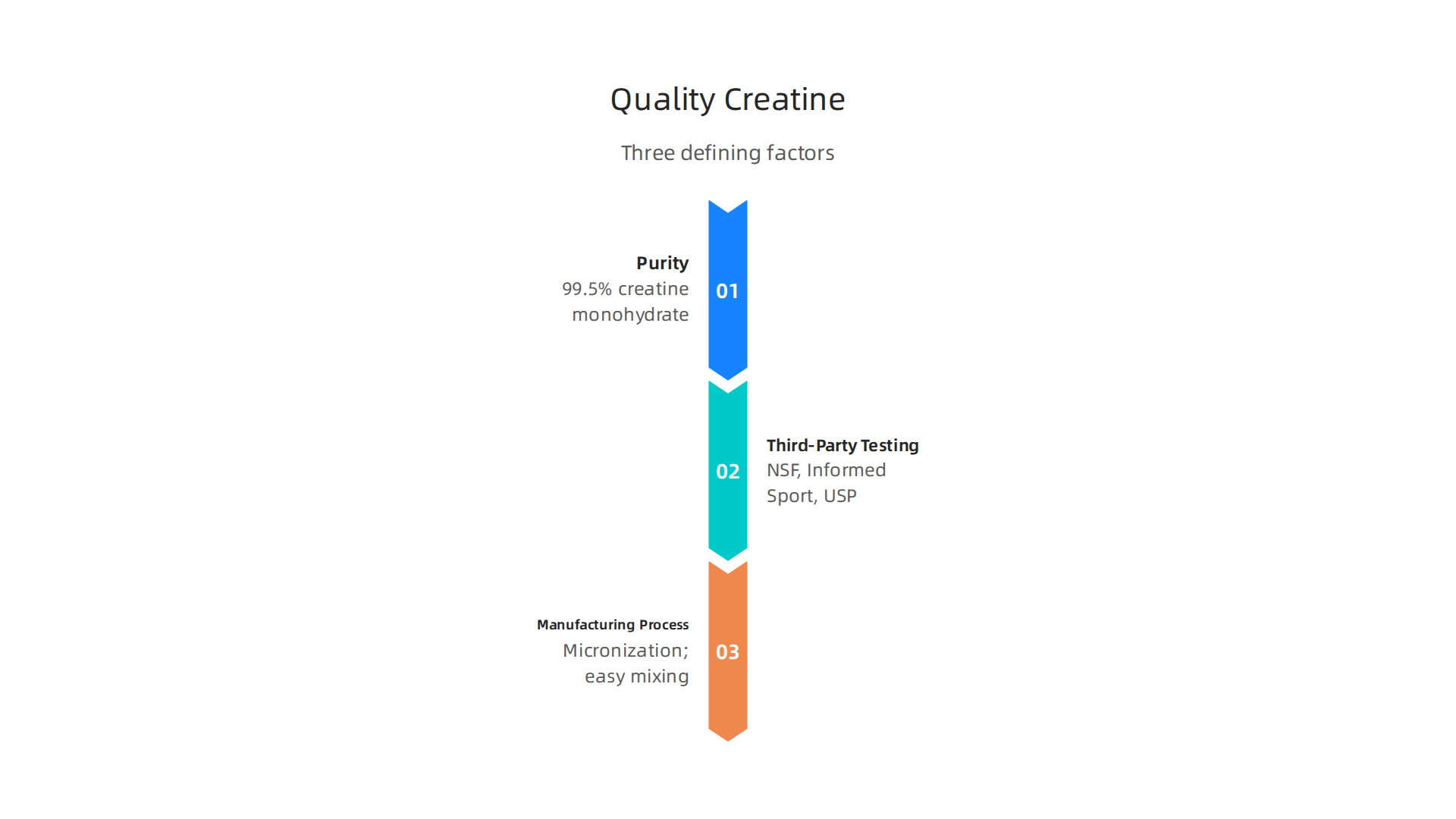
First, look at purity. The gold standard in the industry is a purity level of at least 99.5% creatine monohydrate. This means almost no fillers, heavy metals, or other junk. Independent labs verify this. Many of the best creatine supplement options on the market meet this standard. If a product does not list its purity or cannot prove it, that is a red flag.
Second, check for third-party certifications. These are not just stickers on the label. Seals like NSF Certified for Sport or Informed Sport mean that every batch has been tested for banned substances and contaminants.
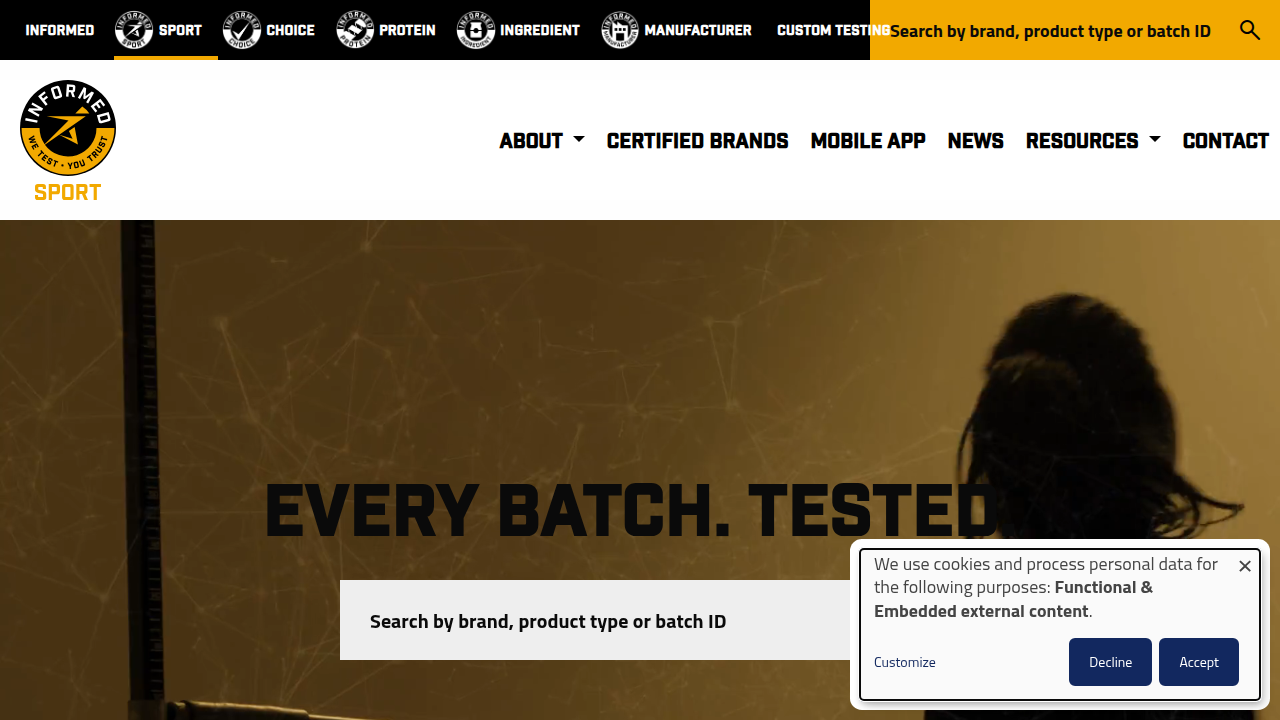
As one expert explains, these certifications verify ingredient identity, potency, and purity Source: Grant Tinsley. If you compete in sports or simply want peace of mind, look for these logos. The Informed Sport program, for example, tests products using ISO 17025 accredited methods Source: Informed Sport. Another solid option is USP Verified, which is a rigorous certification from the United States Pharmacopeia Source: Fathom Nutrition. When you see one of these seals, you know the best quality creatine has been verified by an outside lab.
Third, consider the manufacturing process. Many top brands use micronization. That means the creatine powder is ground into smaller particles so it mixes easily in water. Does micronization make it work better? No, it does not change how effective the creatine is. But it does make it easier to drink and less likely to cause stomach discomfort. So it is a nice feature, but not a dealbreaker.
To wrap it up: a quality creatine is a creatine monohydrate supplement with high purity, verified by an independent third party, from a brand that follows good manufacturing practices. Do not guess. Pick a product you can trust.
If you are ready to find a supplement that meets these standards, browse our curated list of tested creatine products here.
The Science: Why Purity and Form Really Matter
You might wonder if small impurities really make a difference. The short answer is yes. Impurities like creatinine, dicyandiamide, and heavy metals can sneak into low quality creatine during production. Over time, these contaminants may reduce how well the supplement works. Worse, they could pose health risks. That is why the best quality creatine always starts with high purity.
Here is what decades of research tell us. Creatine monohydrate is the most studied form by far.

We have over 500 studies on its safety and effectiveness Source: Bunaroba. That is a massive amount of evidence. Other forms like creatine HCL or ethyl ester try to claim they work better. But the science does not back them up. Consistent trials show that no other form outperforms standard creatine monohydrate for strength, power, or muscle gain Source: GSSI.

What about absorption? Some brands claim their fancy form is more bioavailable. That sounds good in ads. But here is the truth: high-purity creatine monohydrate is already absorbed very well by your body. Anecdotal claims of better absorption for other forms lack strong evidence. Your money is better spent on a creatine monohydrate supplement that is pure and third-party tested.
The safety record is equally strong. High quality creatine monohydrate is Generally Recognized as Safe by the FDA Source: Frontiers in Nutrition. Multiple studies confirm it is well tolerated with no serious side effects when used correctly Source: PMC. Even long term use appears safe for healthy people Source: PMC.
So do not fall for marketing hype. The science is clear: the best creatine supplement is a pure, tested creatine monohydrate. Stick with what works.
Ready to choose a trusted product? Check out our recommended options here.
How to Read Supplement Labels and Spot Marketing Hype
When you walk down the supplement aisle, every jar looks like it can transform you overnight. Bright labels scream "instant results" and "no loading needed." But here is the problem: many of those claims are built on marketing, not science. The FDA regularly issues warning letters to companies that make false or unsubstantiated claims about their products

Source: FDA. In fact, FDA warning letters targeting supplement-related violations jumped 50% in 2025 Source: FDA Group. That is a clear sign that the hype often outruns the truth.
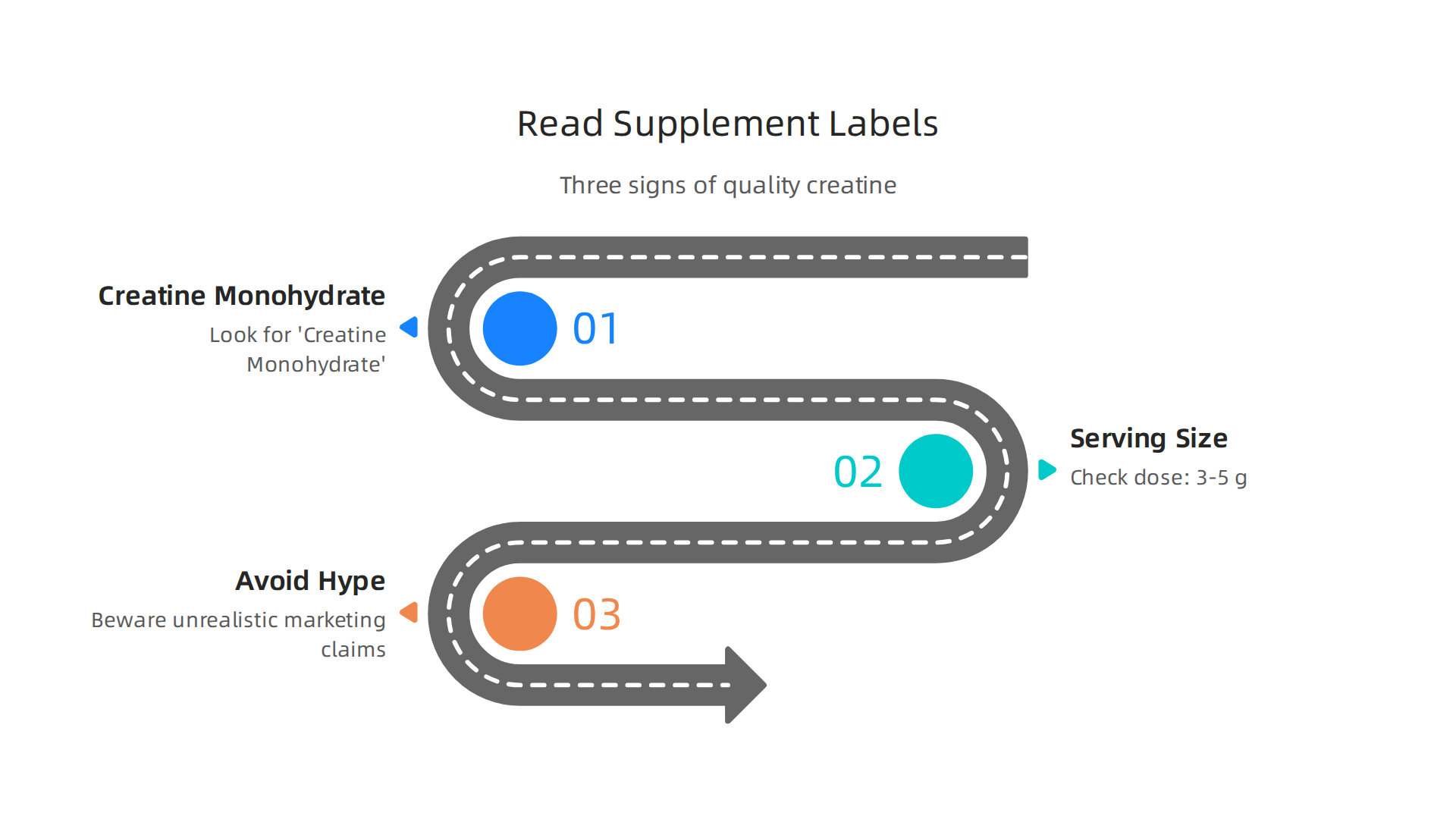
So how do you find the best quality creatine on a crowded shelf? Start with the ingredient list. Look for a single ingredient: "Creatine Monohydrate." That is it. No proprietary blends, no fancy names, no hidden fillers. If you see a long list of chemicals, put the jar down. The best creatine supplement is pure and simple.
Next, check the serving size. A standard dose is 3 to 5 grams. If the label says 1 gram or less, you are getting an underdosed product. That will not help your muscles. The best creatine monohydrate supplement delivers a full 5 grams per serving so you get the clinically proven amount.
Now watch out for claims that sound too good to be true. Phrases like "instant results" or "no loading needed" are red flags. Science shows that while creatine does not require a loading phase, a gradual approach works well. But "instant" is not a word backed by research. The International Society of Sports Nutrition confirms creatine has a strong safety and effectiveness record, not a magic switch Source: Nutraceuticals World.
The bottom line? A clean label, a proper dose, and realistic claims are your three signs of quality creatine.
Do not let shiny marketing fool you.
When you want a product you can trust, check out this quality creatine monohydrate supplement. It checks every box.
Quality vs. Cost: A Comparative Analysis of Creatine Supplements
So you know what to look for on a clean label. Now comes the real question. Should you spend more for the best quality creatine, or can you save money with a cheaper option?
It is tempting to grab the lowest price on the shelf. We all want to stretch our dollars. But here is the thing: the difference between a top tier creatine monohydrate supplement and a budget tub is usually just pennies per serving. And those pennies can matter a lot for your safety and results.
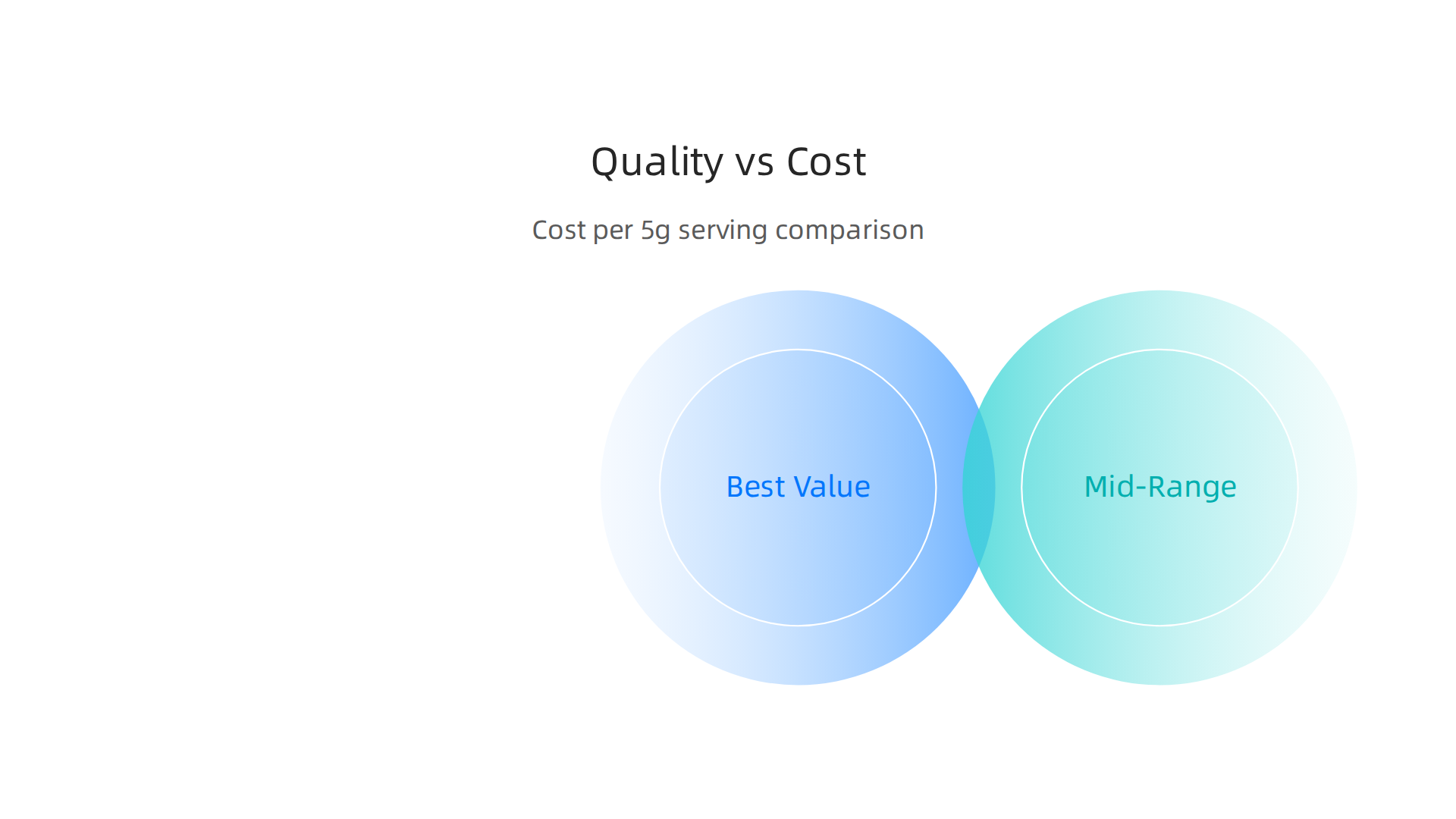
Let us look at the numbers. According to the Creatine Price Index, Optimum Nutrition Micronized Creatine costs about $0.20 per 5 gram serving. That is cheaper than many gas station snacks. Even premium options from brands like Thorne, which experts at Healthline call the best creatine supplement for quality, come in at roughly $0.35 to $0.50 per serving. The difference? About 15 to 30 cents a day.
Now compare that to the risk of cheap creatine. Lower cost often means lower purity. Some brands use fillers, anti-caking agents, or produce their creatine in facilities with weaker quality control. You might save ten bucks upfront, but you could get a product that dissolves poorly or contains impurities. That is not worth it.
Here is a simple cost breakdown:
| Brand Type | Cost Per 5g Serving | Key Benefit |
|————|———————|————-|
| Best value (e.g., Nutricost) | $0.25 | Clean, single ingredient |
| Mid range (e.g., Optimum Nutrition) | $0.20 | Micronized for easy mixing |
| Premium (e.g., Thorne) | $0.40 – $0.50 | Third-party certified for sport |
The cheapest option costs about $0.25 per serving, as Fortune notes in their top budget pick. A high quality creatine monohydrate supplement runs about twice that. Over a full year of daily use, the difference is roughly $55 to $90. That is a small price for the peace of mind that comes with a product that has been tested for purity and potency.
So how do you decide? Look for brands that invest in third-party testing. Many of the top rated options also pay for NSF or Informed Sport certifications. You can learn more about how to choose a trustworthy product in our guide on spot marketing hype.
When you want a creatine monohydrate supplement that balances quality and value, check out this trusted option. It delivers 5 grams of pure creatine per serving and comes from a facility known for strict quality controls.
Spending a little more now can save you from wasting money on a product that does not work. The best quality creatine is an investment in your results.
Red Flags and Common Myths Debunked
So you have decided to invest in a quality creatine supplement. Good call. But here is where things get tricky: myths and misleading labels can still trip you up. Let me clear up the confusion.
Myth number one: "Creatine is a steroid."
This one refuses to die. The truth is simple. Creatine is a naturally occurring amino acid derivative that your body already produces. It is nothing like anabolic steroids. Decades of research confirm that creatine monohydrate supplementation is safe when used correctly Safety of creatine supplementation analysis. The International Society of Sports Nutrition has even stated that creatine monohydrate is one of the most studied supplements in history GSSI safety and efficacy review. No hormonal side effects. No illegal status. Just a well researched tool for better performance.
Myth number two: "Buffered creatine causes less bloating."
Marketing teams love this one. They want you to believe a special pH balanced version will magically stop bloating. Here is the reality: bloating during creatine use usually comes from the loading phase or your own individual response. It has little to do with the form of creatine itself Not all creatine is created equal. The best quality creatine for most people is still plain creatine monohydrate. It has the most research behind it and often costs less than fancy alternatives.
Red flag to watch for: missing information on the label.
If a creatine product does not clearly list a manufacturing address or a batch number, walk away. That is a sign the brand is cutting corners on quality control. Trusted companies want you to know where your supplement comes from. They also pay for third party testing to prove purity.
When you are looking for a creatine monohydrate supplement you can trust, choose brands that take safety seriously. A simple label with a single ingredient and a verifiable batch number tells you a lot Evaluating creatine safety in adolescents.
For a quality option that meets all these standards, check out this trusted creatine supplement. It is pure, tested, and backed by real science.
Do not let outdated myths or shady labels steer you wrong. Stick with what works: simple creatine monohydrate from a brand you can verify.
Practical Tips for Purchasing and Using Quality Creatine
Now that we have cleared up the myths, let us focus on the fun part: finding the best creatine supplement for your needs and using it the right way. A few simple habits can make a big difference in what you get out of every scoop.
Tip 1: Buy from a source you can trust.
You want a quality creatine product from a manufacturer that is open about their sourcing and testing. Reputable brands will gladly share third party lab results. Do not be shy about checking for certifications like NSF Certified for Sport or Informed Choice. Those logos mean the tub has been tested for banned substances and hidden contaminants. Buying from a trusted retailer also lowers your risk of getting a counterfeit or low quality product.
Tip 2: Do not stress over the loading phase.
You have probably heard about the loading phase. That is when you take around 20 grams per day for 5 to 7 days. This method saturates your muscles fast, which is great if you want quicker results. But here is the thing: it is completely optional. If you just take a standard 3 to 5 grams every day, you will reach the same saturation level in about three to four weeks. Skipping the load saves you money and reduces the chance of stomach discomfort. Either way, you win with consistent daily use.
Tip 3: Store your creatine the right way.
Creatine monohydrate is a stable powder, but moisture and heat can break it down over time. Keep your tub in a cool, dry spot like a pantry or a bedroom closet.
Stay away from the bathroom or anywhere humid. When stored properly, a creatine monohydrate supplement typically has a shelf life of 2 to 3 years Garage Gym Reviews. In fact, some studies show it can stay potent for much longer than the date on the label Legion Athletics. One small trick: do not store it near strong smelling items like spices or coffee. Creatine powder can absorb those odors Cymbiotika Storage.
If you pick the best quality creatine brand and follow these simple steps, you will get reliable results tub after tub. Finding a great quality creatine does not have to be complicated. It just comes down to choosing wisely and storing it well.
Ready to start with a quality creatine you can count on? Browse this trusted creatine monohydrate supplement and see the difference for yourself.
Conclusion: Making an Informed Choice for Your Fitness Journey
You now have everything you need to pick the best quality creatine with confidence. Choosing a quality creatine supplement is not complicated. It is a science-backed decision that supports your performance, recovery, and long-term health. To help you make the right call, here is a quick checklist based on what we covered.
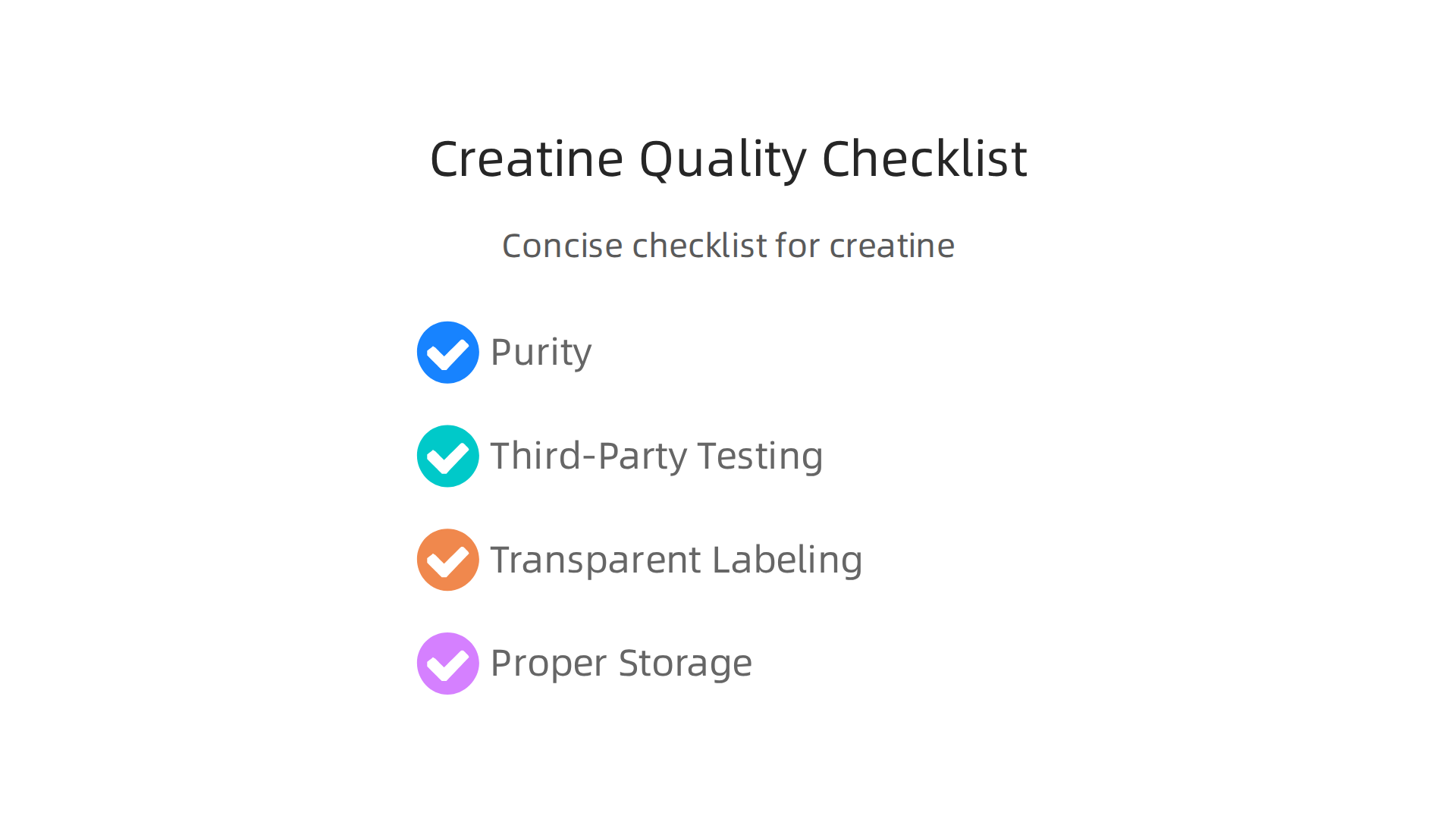
Your quality creatine checklist:
- Check for purity. Look for creatine monohydrate supplement with no added fillers, flavors, or blends.
- Demand third-party testing. Seals like NSF Certified for Sport or Informed Sport mean every batch is tested for banned substances and contaminants NSF Pressbooks. This is the gold standard for safety.
- Read the label. Transparent brands list ingredients clearly and share lab results publicly. Avoid any product that hides what is inside.
- Store it right. Keep your tub in a cool, dry place away from moisture and strong odors. This keeps your best creatine supplement potent for years Garage Gym Reviews.
Remember that no supplement can replace consistent training and smart nutrition. But the best quality creatine can be a reliable and safe addition to your routine when you choose wisely.
Ready to grab a tub you can trust? This third-party tested creatine monohydrate supplement meets all the criteria above and is a solid pick for anyone serious about their fitness journey.
Summary
This article explains how to choose a high-quality creatine supplement you can trust, focusing on purity, third-party testing, and practical value. It reviews why creatine monohydrate is the most studied and reliable form, why a purity level around 99.5% matters, and which certification seals (NSF Certified for Sport, Informed Sport, USP) reduce the risk of contaminants or banned substances. The guide shows how to read labels, spot marketing claims, and compare cost-per-serving so you pay for results, not hype. It debunks common myths about creatine, outlines optional loading versus daily dosing, and gives storage and handling tips to keep your powder potent. By the end you’ll know what to look for on a jar, how much to take, and how to pick a product that balances safety, effectiveness, and price.


Get practical training, recovery, and nutrition insights in your inbox