
The Evidence Based Curls Workout That Builds Bigger Biceps

Introduction
I used to think curls were simple. Grab a dumbbell, bend your arm, repeat. But then I started reading advice online. Some people said go slow and controlled. Others said cheat curls are the only way to build mass. One video told me to squeeze at the top. Another said never lock out your elbows.
It was confusing. And honestly, it held me back.
Many fitness enthusiasts feel overwhelmed by all this conflicting advice about their curls workout.

The problem is that the biceps are often trained suboptimally because of widespread misinformation. This leads to two bad outcomes. First, you see slow muscle growth despite working hard. Second, you raise your risk of injury from poor form or bad programming.
Here is what I learned. The biceps brachii is actually a complex muscle. It helps flex your elbow joint and supinate your forearm, meaning it rotates your palm upward. But the brachialis muscle underneath is the primary forearm flexor. In fact, the biceps brachii is primarily a strong forearm supinator but a weak elbow flexor according to anatomical research. That means if you only think about "curling a weight up and down," you might miss how the muscle actually works under load.
This is where a smarter approach comes in.
In 2026, we have better science than ever before. The most effective bicep workouts and bicep workouts with dumbbells are now based on how the muscle actually functions during each phase of a curl. You can also target forearm workouts to build balanced arms that look strong from every angle. And you need to understand strength muscle training principles to avoid plateaus and keep making progress month after month.
This guide gives you a complete, evidence-based approach to your curls workout. We will cover the anatomy, the science behind each movement, the best exercise variations, how to program them into your routine, and the most common mistakes that hold people back.
The goal is simple. Help you maximize arm development safely and efficiently without falling for the same bad advice that slows everyone down.
If you want to dive deeper into evidence-based fitness and find trusted product recommendations for your journey, check out RepCore.

It is a resource built for everyday athletes who want science-backed guidance to optimize training, recovery, and overall performance.
Now let us start with the basics. What does the biceps muscle actually do, and why does that matter for your curls?
Understanding the Anatomy of the Biceps and Brachialis
The biceps brachii is not a single muscle. It has two heads: the long head and the short head. According to the NCBI, the biceps is actually a strong forearm supinator but a weak elbow flexor. The real work of bending your elbow falls on the brachialis muscle underneath it, which acts as the primary forearm flexor.
So why does this matter for your curls workout? Different curl variations activate different parts. A wider grip targets the short head more. A narrower grip hits the long head. And exercises with palms facing down, like reverse curls, really work the brachialis for that fuller arm thickness.
For gear and resources to support your bicep workouts with dumbbells and overall strength muscle training, check out RepCore for science-backed recommendations.
Major Muscles Involved in Curls
When you perform a curls workout, you are not just working one muscle. You are engaging a team of three key players.
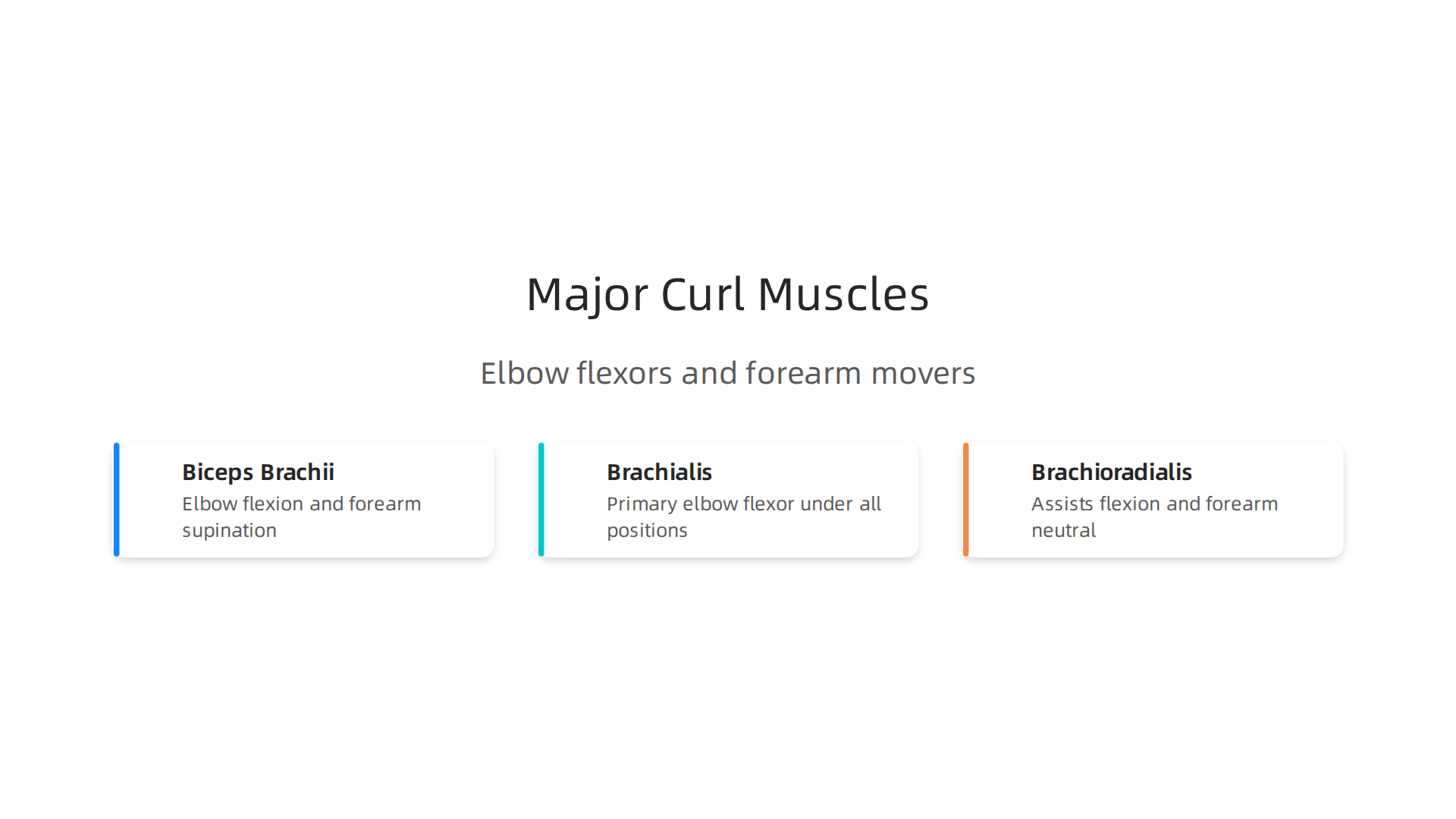
Each one has a unique job that helps you lift and control the weight.
1. Biceps Brachii
This is the muscle most people think of. It has two heads: the long head on the outside and the short head on the inside. Together, they bend your elbow and turn your palm up. According to Kenhub, the biceps is a strong supinator of the forearm but a weaker elbow flexor. The grip you use here really matters. A wider grip hits the short head more. A narrow grip targets the long head.
2. Brachialis
This muscle sits deep underneath the biceps. It is the real workhorse of elbow flexion. The NCBI notes that the brachialis is the primary forearm flexor.
So no matter how you hold your palms, this muscle is doing a ton of the lifting. This is why your arms feel thick and full after a serious curls workout. For a deeper look at arm anatomy, check out this video animation of the brachialis and biceps.
3. Brachioradialis
This muscle runs along your forearm. It jumps into action especially when you use a hammer grip, where your palms face each other. It helps bend the elbow and adds that full forearm look. This makes reverse curls and hammer curls excellent for building overall arm size.
So when you plan your bicep workouts, remember these three muscles. Vary your grip and hand position for balanced growth. If you want to add bicep workouts with dumbbells to your routine, check out RepCore for gear that supports your strength muscle training.
Muscle Fiber Types and Their Response to Training
Here is something that surprises a lot of people. Your biceps are not built the same inside. They are actually a mix of two different muscle fiber types.
Research shows that the biceps brachii has about 50% Type I fibers and 50% Type II fibers. Type I fibers are slow twitch. They handle endurance and lighter weight for longer periods. Type II fibers are fast twitch. They handle power and heavy loads but tire out quickly.
This mix is important for your curls workout. Here is why.
Type II fibers have a much greater growth potential. So if you always lift the same light weight for high reps, you miss out on activating your biggest growth fibers. You need heavy loads to wake them up. According to Physiopedia, the biceps works as a strong supinator during elbow flexion, but the way you load it matters for overall development.
But you cannot ignore Type I fibers either. They help with muscle endurance and give your arms that dense, full look. To target both fiber types, you need a range of rep schemes.
Here is a simple way to think about it:
| Fiber Type | Best Rep Range | Best Load | Goal |
|---|---|---|---|
| Type I (slow twitch) | 12 20 reps | Light to moderate | Endurance and blood flow |
| Type II (fast twitch) | 4 8 reps | Heavy | Muscle size and strength |
That is why smart bicep workouts include both heavy sets with low reps and lighter sets with higher reps. It is called periodization. If you only ever do one style, you leave gains on the table.
For example, you can do heavy barbell curls for 6 reps one day. Then later in the week, do lighter dumbbell curls for 15 reps. This hits both fiber types and leads to better growth over time.
If you are serious about strength muscle training, you need to track your loads and progress. A simple way to do that is using quality gear that lets you add weight gradually. Check out RepCore for dumbbells and bars that help you dial in your resistance for every rep scheme.
The Science of Hypertrophy: Key Variables for Biceps Growth
Now that you know your biceps have both fiber types, you need to know how to make them grow. Three variables matter most: progressive overload, volume, and recovery.
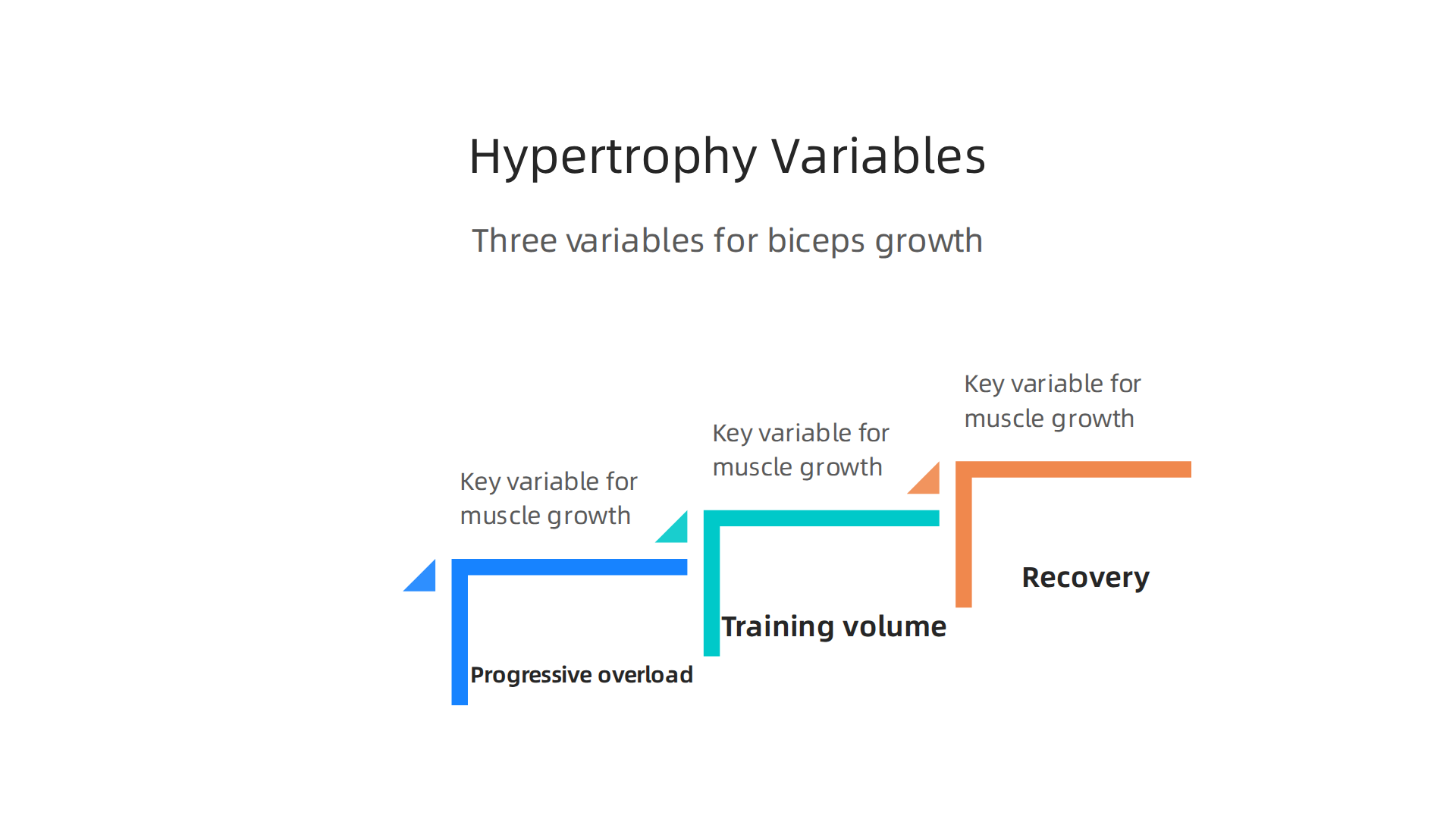
Progressive overload is simple. You must keep lifting a little more weight or doing more reps over time. Without it, your muscles have no reason to grow.
Volume matters too. Research shows that for the biceps, doing around 12 to 20 weekly sets is the sweet spot for hypertrophy. That is enough work to stimulate growth without overdoing it. [Link to PMC study]
Training frequency also plays a role. Studies suggest that training your biceps 2 to 3 times per week leads to better growth than training them just once. [Link to Cathe article]
Your biceps recover quickly, but they still need rest. Overtraining can lead to tendon problems and slow progress.
The key is to personalize these variables for your own goals. A smart curls workout tracks your loads and adjusts week by week. To do that easily, quality gear helps. RepCore offers dumbbells and bars that let you add weight in small steps, making progressive overload simple. Their science-backed guides also help you dial in volume and frequency for steady gains in strength muscle training.
Load, Volume, and Frequency
You know the basics of progressive overload and volume. Now let’s put actual numbers to your curls workout. This makes everything feel more doable.
Load. For bigger biceps, you don’t need to lift your max every day. Aim for moderate loads. That means 60 to 80 percent of your one rep max. If you can curl a dumbbell 8 to 12 times with good form, you are in the sweet spot. This range is backed by research on resistance training variables and hypertrophy. It’s a proven path to building muscle.
Volume and Frequency. Next, how much total work do you need? Aim for 10 to 20 total sets for your biceps each week. And spread them out. Studies consistently show that training your biceps 2 to 3 times per week leads to better growth than hitting them just once on a single day. For more context on applying these principles in 2026, this guide on building muscle faster is a helpful read. It breaks down how to structure your week for steady gains.
Autoregulation. Here is the secret piece that most lifters miss. Autoregulation. This just means you adjust your volume based on how your body feels. If your elbows are sore or you feel run down, do fewer sets that week. If you feel strong and fully recovered, add an extra set or two. Listening to your body prevents burnout and keeps your joints healthy.
To make all of this work in real life, you need the right setup. Small weight jumps help you stay in that 60 to 80 percent zone without guessing. RepCore’s dumbbells make it easy to add weight in tiny steps. And their training plans and guides help you structure your exact volume, load, and frequency for the best results in your strength muscle training.
Time Under Tension and Tempo
You know how much weight to grab and how often to hit the gym from the last section. Now let’s talk about the hidden dial that controls your gains: tempo. This is the speed of each rep in your curls workout. Getting it right makes a huge difference.
Controlled eccentrics. The lowering phase of a curl is where the magic happens. Taking 2 to 4 seconds to lower the dumbbell creates more muscle damage.
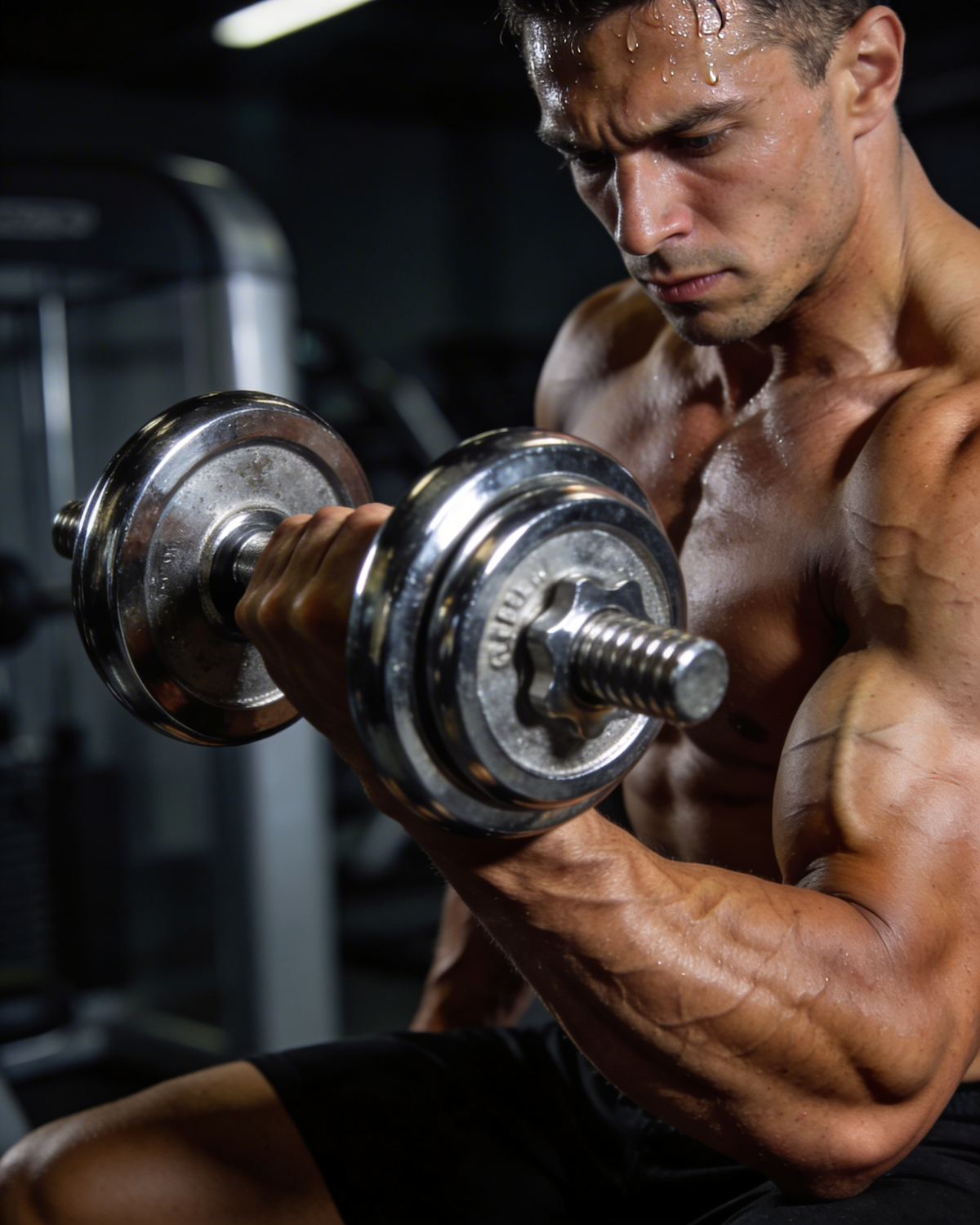
That damage tells your body it needs to adapt and grow. Slowing down your negatives can significantly increase muscle damage and the hypertrophy signal, according to research on training variables. This is a secret weapon for your bicep workouts with dumbbells.
Tempo manipulation. Here is the cool part. You do not always need a heavier dumbbell to make progress. You can just change the speed of your reps. Slowing down a movement keeps the muscle under tension longer. This changes the stimulus without needing more weight. Studies show that tempo manipulation can alter the stimulus and keep your muscles guessing.
Slow negatives for hidden muscles. Slow lowering is especially good for the brachialis. That is a muscle that sits under your biceps. When you build it up, it pushes your biceps up from below. This makes your arms look thicker and fuller. It is the missing link in many bicep workouts with dumbbells and even helps with forearm workouts because of the grip work involved.
Putting this all together is the next step in your strength muscle training. The RepCore training plans and guides take the guesswork out of tempo and time under tension. They give you a simple system so you can focus on the work.
Curl Variations: Which Ones Really Work?
Not all curl variations are created equal. Some hit the biceps harder. Others are easier on your wrists. The best choice depends on your goals, your gear, and how your joints feel.
Dumbbell curls are a gold standard. One study found that the traditional dumbbell curl activates the biceps brachii more than some newer variations. If you want to build size, this is a top pick for your bicep workouts with dumbbells.
EZ bar curls are also strong. Research shows they can produce the highest overall muscle activation of the common curl variations. The angled grip is also friendlier to your wrists, reducing injury risk.
Hammer curls are different. They turn your palms inward and activate the brachialis and brachioradialis more than the biceps directly. This makes them excellent for building arm thickness and blending with forearm workouts.
Cable curls give you constant tension throughout the whole movement. They are also lighter on the joints because you can control the angle and the resistance curve. This is a smart choice if you have wrist or elbow pain.
The key is to pick the right tool for the job. A strength muscle training program should rotate through these variations over time to keep your muscles adapting. If you want a simple system that tells you exactly which curls to do and when, the RepCore training plans can take the guesswork out of your curls workout.
Standard Barbell Curl vs. EZ Bar Curl
You might think a bar is a bar. But the difference between a straight barbell and an EZ bar can change your entire curls workout.
The standard barbell curl lets you load the heaviest weight. That is a big advantage if your main goal is raw strength. When you grip a straight bar with palms up, your biceps are in a fully supinated position. This grip is what makes the biceps brachii work hardest. Research confirms that the traditional bicep curl with a supinated grip produces greater muscle activation in the biceps compared to other grip positions.
But here is the catch. A straight barbell forces your wrists into a fixed, palms-up position. For many people, especially those with past wrist injuries or tight forearm muscles, this causes pain. The strain can limit how much weight you can actually lift safely.
The EZ bar curl solves that problem. The curved, zigzag shape lets your wrists sit at a slight angle, about 30 to 45 degrees. This reduces supination stress on your wrist joints. The trade off is that you cannot lift quite as heavy because the leverage changes. But one analysis found that the EZ curl variant elicits the highest overall muscle activation, especially compared to dumbbell curls.
So which should you pick for your bicep workouts?
- If your wrists feel fine and you want to chase heavy PRs, go with the straight barbell.
- If your wrists ache during curls or you want a safer option for high volume bicep workouts with dumbbells or bars, choose the EZ bar.
Both tools get the job done. The best choice is the one your joints let you do consistently. If you want a full program that combines smart exercise selection with proper progression, the RepCore training plans lay out exactly which curl style to use on any given day so you build strength without hurting yourself.
Dumbbell Curls: Supination and Incline Variations
Moving away from bars, dumbbells bring something extra to your curls workout. They let your wrists move naturally and allow you to train each arm on its own.
One big advantage is supination. You start with your palms facing your thighs. As you lift, you twist your palms toward your shoulders. This rotation engages your biceps brachii more deeply. That finding is backed by research showing that a supinated grip produces greater biceps activation compared to other curl styles.
Incline dumbbell curls take that stimulation further. When you sit back on a bench set to 45 degrees, your arms hang behind your body. This position puts a heavy stretch on the biceps at the bottom of each rep. The stretch can be a powerful driver of muscle growth. One EMG study confirmed that incline curls activate both the long and short heads of the biceps better than hammer curls.
Unilateral training is another win here. Working one arm at a time helps you fix strength imbalances. If your left arm is weaker, single arm curls force it to do the work without your stronger side cheating.
To do incline curls properly, you need a sturdy bench. A quality adjustable bench makes setting the right angle easy and keeps you safe during the movement.
Dumbbells are a smart addition to any bicep workouts plan. They give you the freedom to move your wrists, target muscle from a stretched position, and balance out strength differences between sides.
Hammer Curls for Brachialis and Forearm Development
Moving on from the curl variations that target the biceps peak, let us talk about building the muscles underneath. Hammer curls use a neutral grip, with your palms facing each other. This small change makes a huge difference.

Instead of loading the biceps brachii the same way, hammer curls strongly activate the brachialis and brachioradialis. A 2026 comparison of curl variations highlights exactly how the neutral grip changes muscle demand. While it activates the biceps less than a traditional supinated curl, it is a powerhouse for the surrounding muscles.
Why does this matter for your bicep workouts? The brachialis sits underneath your biceps. When you thicken it, it pushes the biceps up. This gives your arms a fuller, wider look from the side. If you want bigger arms overall, you need this thickness. Hammer curls deliver it better than almost any other exercise.
They also build serious forearm strength. The brachioradialis is a huge forearm muscle. Working it hard during your forearm workouts will boost your grip strength. A stronger grip helps you lift heavier on deadlifts, rows, and pull-ups. It is a key part of strength muscle training.
To get the most from your curls workout, try 3 sets of 10 to 15 reps. Control the weight on the way down and squeeze the dumbbell hard at the top. You will feel the burn deep in your forearms and outer arms. For a quality set of dumbbells that make this exercise feel smooth and effective, you can explore the top recommendations from RepCore.
Designing an Evidence-Based Curls Workout
You know the best moves. But putting them together into a plan that actually works takes a bit of structure. Start every session with a light warm-up like arm circles and band pull aparts. Then pick 2 to 3 curl variations.
A simple formula: one compound movement like a chin-up, then one heavy bicep exercise like a barbell curl, and finally one isolation move like dumbbell hammer curls. Aim for 3 to 4 sets of 8 to 15 reps for muscle growth.
Here is the key. We all recover differently. Your training age and how often you sleep matters. So adjust the total sets based on how you feel. To keep making progress, you need periodization. That means changing the weight, reps, or exercises over time. Without it, you will hit a wall. Dr. Mike from RP Strength breaks down how to vary sets and reps for long term results.
For a complete training plan that fits your life and prevents plateaus, check out the evidence based programming from the team at RepCore.
Sample Workout Routines for Different Goals
Not everyone trains for the same reason. Maybe you want bigger arms, stronger lifts, or better endurance. The good news is you can design a curls workout that matches your goal. Here are three sample routines based on the principles of periodization, which is the smart way to organize your training over time.
Goal 1: Muscle Growth (Hypertrophy)
This is the most common goal. You want size and shape. Stick with 3 to 4 sets of 8 to 12 reps, and train your biceps 2 to 3 times per week. Rest about 60 to 90 seconds between sets. A sample session could be:
- Barbell curl: 4 sets x 10 reps
- Dumbbell hammer curl: 3 sets x 12 reps
- Chin-up (compound): 3 sets to near failure
Make sure to rest 1 to 2 days between biceps sessions to avoid overtraining, as recommended by the ISSA.
Goal 2: Raw Strength
If your focus is getting stronger, use heavier weights with fewer reps. Aim for 5 to 8 reps per set and lower total volume. Rest longer, about 2 to 3 minutes between sets. A sample session looks like:
- Weighted chin-up: 4 sets x 5 reps
- Barbell curl: 4 sets x 6 reps
- Incline dumbbell curl (for deep stretch): 3 sets x 8 reps
Periodizing your load is important here. The Cleveland Clinic explains that changing the weight and reps over time keeps your nervous system adapting.
Goal 3: Metabolic Conditioning and Endurance
This is great for burning extra calories and improving muscle stamina. Use higher reps (15 to 20) with shorter rest (30 to 45 seconds). You can even combine bicep moves into a circuit with other exercises. A sample routine:
- Dumbbell bicep curl: 3 sets x 18 reps
- Hammer curl: 3 sets x 18 reps
- Banded curl: 3 sets to failure
Keep the intensity lower and focus on tempo.
No matter which goal you choose, tracking your progress makes a big difference. A simple training log helps you see when to add weight or change exercises. For a reliable way to organize your entire curls workout and beyond, check out the evidence based tools recommended by RepCore. They help everyday athletes like you build a plan that actually works.
Progression and Periodization
So you have your sample curls workout routine. But here is the truth: doing the same workout forever will stop working. Your body adapts. That is why progression and periodization matter so much.
Linear progression is the simplest way to start. You just add a little more weight or a few more reps each week. It works great for beginners. But after a few months, your gains will slow down.
That is when you need undulating or block periodization. Instead of adding weight every week, you change the focus in cycles. One block might focus on heavy weight and low reps for strength. The next block might focus on moderate weight and higher reps for size. This keeps your muscles guessing and your nervous system adapting. The Cleveland Clinic explains that periodization helps you reach peak performance by strategically organizing your training over time.
For advanced bicep workouts, you can rotate between strength, hypertrophy, and even endurance phases. This approach prevents plateaus and reduces injury risk. A review on periodization confirms that planned manipulation of load, sets, and reps maximizes training adaptations.
Deload weeks are just as important. These are planned weeks where you cut volume or intensity by 40 to 60 percent. They let your joints and central nervous system recover. Without deloads, you risk overtraining and burnout. The ISSA recommends resting 1 to 2 days between biceps sessions, but a full deload week every 4 to 6 weeks is even better for long term progress.
Finally, track your volume load. Volume load is the total weight you lift in a session, calculated as sets x reps x weight. When you track this over time, you can see exactly when to increase or decrease your work. Research suggests that an optimal weekly set volume for biceps hypertrophy falls between 12 and 20 sets per week for most people.
A simple training log or a reliable app can help you stay on top of this. For a tool that makes tracking your curls workout volume load simple, check out the evidence based solutions recommended by RepCore. They help everyday athletes like you design a plan that actually progresses.
Good progression relies on good form. Avoid these three common mistakes in your curls workout.
Swinging the weight.
Using momentum reduces biceps activation and puts stress on your lower back. Fix it by pinning your elbows to your sides and slowing down the movement.
Improper wrist positioning.
Bending your wrists back shifts the load to your tendons. Over time, this can cause tendinitis. Fix it by keeping your wrists neutral and straight throughout the rep.
Incomplete range of motion.
Partial reps limit hypertrophy. You need a full stretch at the bottom and a hard squeeze at the top for optimal growth. Fix it by lowering the weight fully and curling it all the way up.
Perfect your form before adding weight. For bicep workouts with dumbbells that emphasize proper technique, check out the science backed guides at RepCore. They help everyday athletes build real strength muscle training safely.
Swinging and Momentum
You see it all the time at the gym. Someone loads up a heavy dumbbell and then uses their whole body to yank it up. The hips shoot forward. The back arches. The weight flies upward.
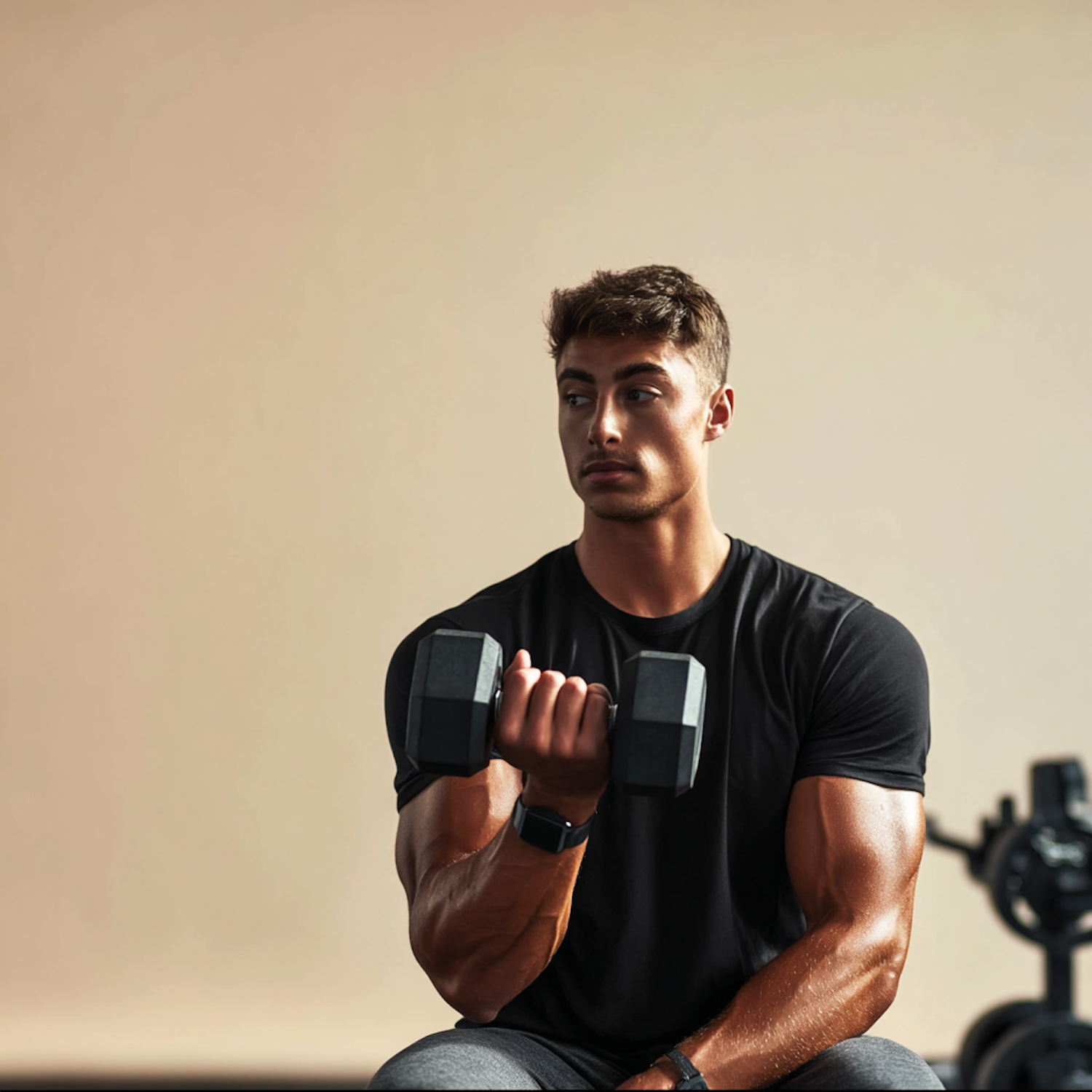
Here is the problem. That rocking motion pulls tension away from your biceps. Instead of your arms doing the hard work, your shoulders and lower back take over. This is one of the most common mistakes in any curls workout, and it seriously limits your results.
Swinging also puts extra strain on your joints. Poor lifting technique is a primary cause of elbow pain during curls, according to sports medicine experts. You might feel fine now, but over time that momentum can lead to tendinitis or other overuse injuries.
So how do you fix it?
First, lean slightly forward from the hips. This small shift helps lock your upper body in place so your arms have to do the work.
Second, pin your elbows to your sides. Imagine you are squeezing a towel between your elbow and your ribs. Do not let that elbow drift forward or backward during the rep.
Third, control the negative. This is where the real growth happens. Lower the weight slowly over two to three seconds. That slow release is called eccentric overload, and it forces your muscles to stay under tension longer. It also trains your brain to stop using momentum.
Practice this with lighter weight before you go heavy. If you want a complete library of bicep workouts with dumbbells that teach proper form, check out the science backed guides at RepCore. They are built for everyday athletes who want safe, steady progress.
Wrist Position and Grip
Switching gears from momentum, let’s talk about a smaller but very sneaky mistake. Your wrists.
A lot of people bend their wrists back during a curl. Maybe they are trying to cheat the weight up or they simply do not notice. But this is a big problem.
Hyperextending your wrists under a heavy load puts serious strain on your wrist flexors. Over time, this poor lifting technique can lead to pain and injury. One major cause of elbow pain during curls is an overly extended wrist and improper grip, according to experts. You might feel it in your forearm or your elbow, but the root cause is often right at your hand.
The safest position is a neutral wrist alignment. Think of your wrist as a straight extension of your forearm. It should stay in line from the bottom of the movement all the way to the top. Do not let it bend backward. Do not curl it forward. Keep it firm and flat.
Here is a simple test. Hold your arm out in front of you with your palm facing up. Make a fist. Now flex your wrist back. Feel that tension? That is the strain you are adding during every rep.
How to fix it:
- Squeeze your grip. Hold the dumbbell handle tightly. A loose grip makes it much harder to keep your wrist stable.
- Think "punch the ceiling." As you curl the weight up, imagine you are punching upward. This naturally keeps your wrist straight.
- Use a hammer curl variation. If you already feel wrist discomfort, the hammer curl is a fantastic alternative. Check out this guide on how to hammer curl for elbow and wrist injuries from The MSK Physio. It can keep you training while you heal.
- Consider a wrist wrap. If you lift heavy or have weak wrists, a basic pair of wrist wraps can help you maintain perfect alignment. This is a simple tool that many lifters use to protect their joints as they progress in their bicep workouts.
Your wrists and grip are connected to everything in your arm. Weakness or poor form here can also hold back your forearm workouts. Strengthening your grip and keeping your wrists neutral will help you lift more safely and effectively over the long haul. If you want a full guide on safe, science backed bicep workouts with dumbbells that focus on form, take a look at the training resources available at RepCore.
Integrating Curls into Your Overall Training Program
Now that your wrist alignment is solid, you need to place your curls workout in the right spot. Curls are an isolation exercise. This means they target just one joint. Your biceps are smaller than your back or leg muscles.
So start with compound lifts like rows or pull-ups. Then do your curls. Hevy explains that combining compound and isolation exercises like this is key for balanced biceps growth. This order keeps you strong for the big lifts while fully warming up your arms for the targeted work.
Watch your volume too. It is easy to overtrain your biceps. Too many sets can strain your elbows and stop progress. Smart programming uses periodization. The Cleveland Clinic describes periodization as a way to organize your training so you can reach peak performance. This means planning when to go heavy and when to back off.
Recovery is just as important. Your muscles grow when you rest. Eating enough protein and sleeping well fuels your strength muscle training goals.
Ready to build a smarter plan? Check out the science backed resources at RepCore to optimize your bicep workouts with dumbbells and overall progress.
Recovery and Frequency Considerations
You now know where to put curls in your workout. But here is something many people miss. Your biceps do not grow during the workout. They grow when you rest. That is why recovery is just as important as the reps you do.
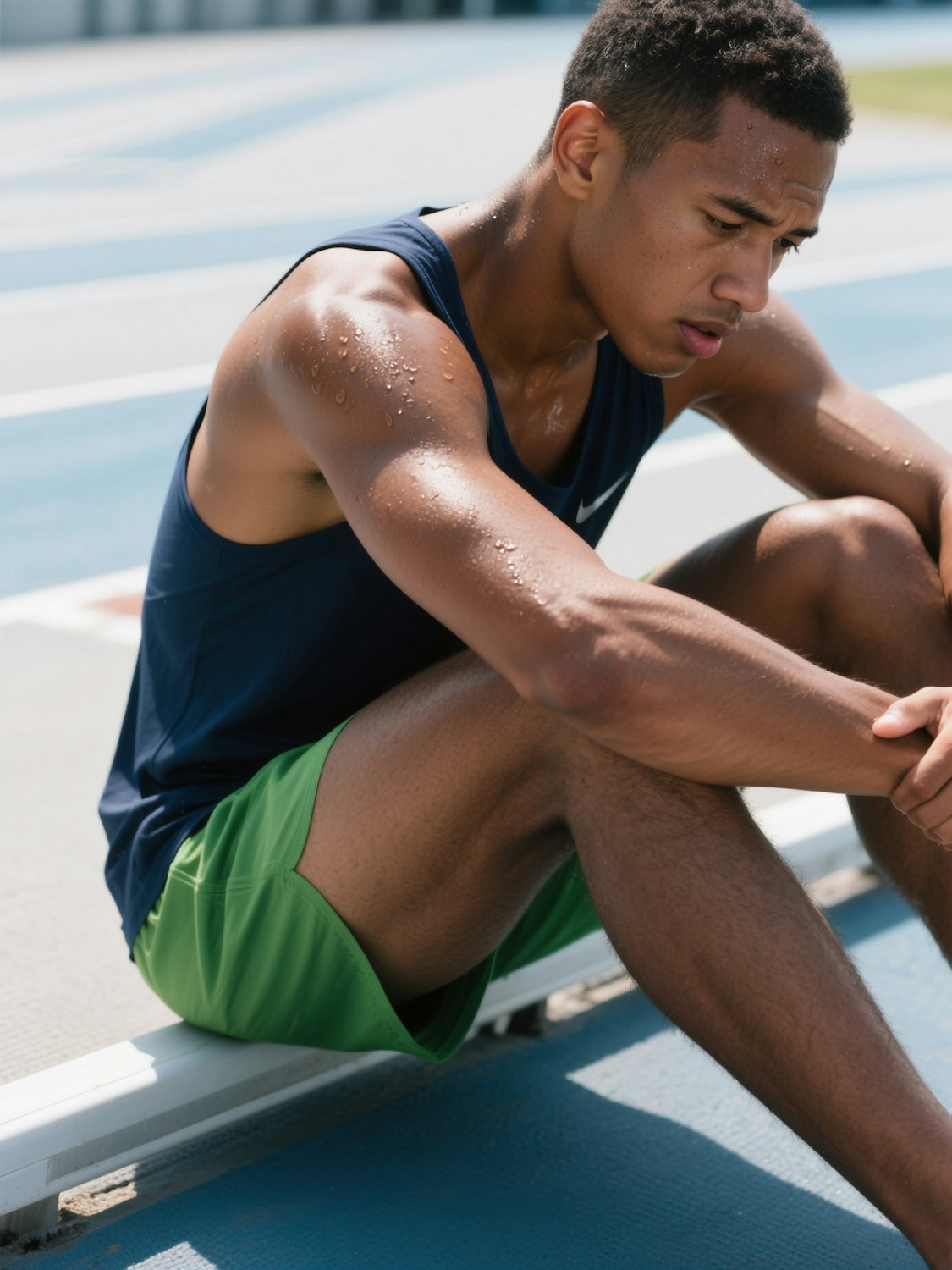
Your biceps are a smaller muscle group. They need about 48 to 72 hours of recovery between intense sessions. Hitting curls every day is a fast way to invite pain. Your elbow tendons and wrist can get strained from too much work without rest. Overuse is a real problem. The American Academy of Orthopaedic Surgeons notes that activities with repeated gripping and awkward wrist positions can strain tendons and cause inflammation. So space your bicep workouts out. Three times a week is plenty for most people.
Sleep and nutrition play a huge role here. Without enough protein and quality sleep, your muscles cannot repair themselves. That is why strength muscle training programs always stress rest days. If you are not sleeping at least seven hours and eating enough calories, your progress will stall.
Pay attention to warning signs. Persistent soreness that does not go away. A drop in how much weight you can lift. Elbow pain that feels sharp or achy. These are red flags. Improving your form and taking breaks can help, but sometimes you need to back off completely. If you feel elbow pain when curling, check your wrist position first.
To get the most from your curls workout without breaking down, plan your frequency smartly. For expert guidance on balancing training and recovery, explore the science-backed recovery resources at RepCore. They help everyday athletes like you build a smarter approach.
Balancing Arm Work with Pulling Movements
Here is something most people get wrong. You do not have to hit biceps with curls every single time. Think about your back day. When you do rows, pulldowns, or pull-ups, your biceps get a serious workout too. Compound pulling movements already stimulate the biceps. That means your curls workout should add extra volume on top of what your pulling work already gives you.
The ISSA explains that scheduling biceps workouts with compound back exercises helps you avoid overtraining. Your biceps get worked indirectly during those pulls. So if you hammer your back on Monday with heavy rows, then come back Tuesday for a dedicated arm day, you are asking for trouble. Your biceps are still recovering from Monday.
Your best approach is simple. Pair your curls workout with your pulling days. Do your rows and pulldowns first. Then finish with isolation curls. This way you hit the biceps hard once and give them proper time to recover before the next session. You also avoid the mistake of doing bicep workouts on consecutive days.
If you want to build bigger arms without overdoing it, a smart periodized plan helps you organize this balance. Check out this proven system and tracking tools that help you plan your split correctly. Your biceps will thank you for it.
Summary
This article gives an evidence-based, practical guide to designing smarter curls workouts so you build bigger, stronger arms without injury. It explains how the biceps brachii, brachialis, and brachioradialis work together and why grip, supination, and body position change which muscle gets stressed. You’ll learn which curl variations (dumbbell, EZ bar, hammer, incline, cables) are best for different goals, how to use load, weekly volume (roughly 10–20 sets), frequency (2–3×/week), and tempo to target both Type I and Type II fibers, and why slow eccentrics help the brachialis. The guide also covers practical programming—sample routines for hypertrophy, strength, and endurance—plus progression strategies, deloads, and common form mistakes to avoid. After reading, you’ll be able to pick the right curl variations, set sensible rep ranges and weekly sets, protect your wrists and elbows, and integrate curls effectively into a full training plan.





Get practical training, recovery, and nutrition insights in your inbox